THE ADVENTURE COLLECTIVE® · Independent discovery and booking for outdoor travel

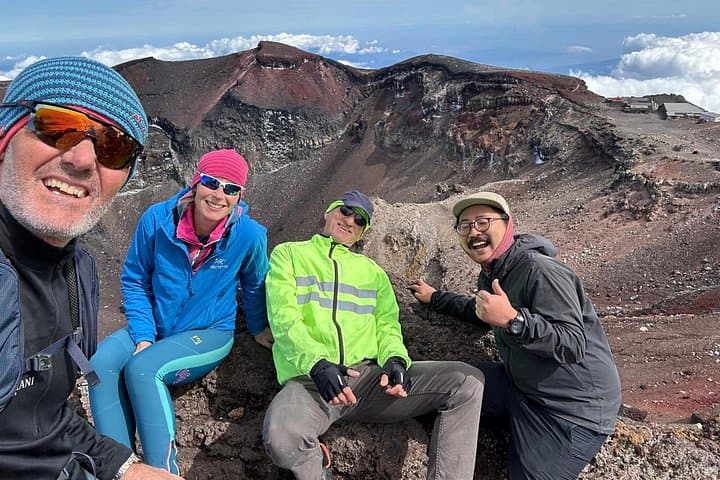
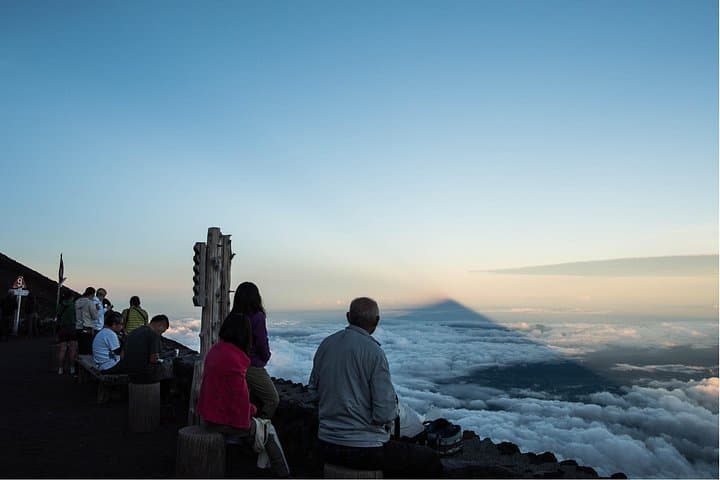
Summit Mt. Fuji on a guided private two-day climb via the Fujinomiya Route, including a mountain-hut overnight and a pre-dawn push for sunrise at the crater rim. This itinerary focuses on safety, pacing, and maximizing your chance to watch the sun clear the summit.
Summit Mt. Fuji on a guided private two-day climb via the Fujinomiya Route, including a mountain-hut overnight and a pre-dawn push for sunrise at the crater rim. This itinerary focuses on safety, pacing, and maximizing your chance to watch the sun clear the summit.
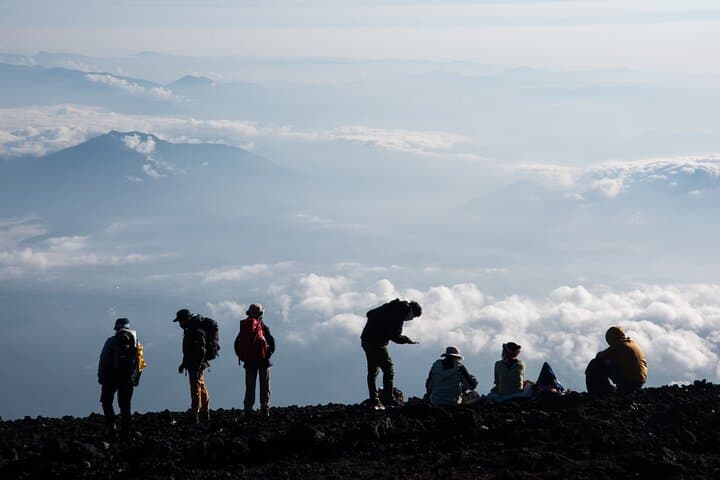
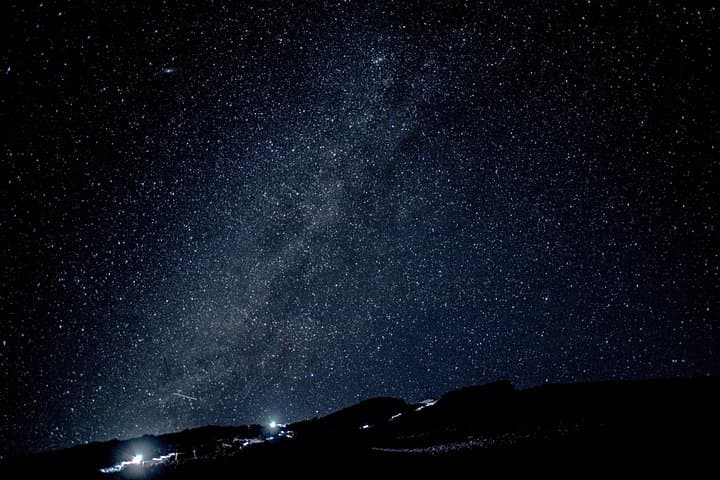
The wind on the Mizugazuka car park cuts with the clarity of high air; you look up and the mountain seems to grow taller as you move toward the shuttle to Fujinomiya 5th Station (2,400 m). Night hiking begins slow and methodical—short steps, regular rests—while your guide reads weather and trail like a map of safe choices.
Verified experiences and guided adventures in the surrounding area.
Operated by Fuji Diary · Fujinomiya, Shizuoka Prefecture
The wind on the Mizugazuka car park cuts with the clarity of high air; you look up and the mountain seems to grow taller as you move toward the shuttle to Fujinomiya 5th Station (2,400 m). Night hiking begins slow and methodical—short steps, regular rests—while your guide reads weather and trail like a map of safe choices.
Mt. Fuji is Japan’s highest peak (3,776 m), a young stratovolcano whose lava and pumice created steep, abrasive slopes. The Fujinomiya Route is the shortest, steepest approach: expect roughly 1,350–1,400 m of elevation gain and about 6–8 km of climbing to the summit, much of it loose volcanic scree and rock. Culturally, Fuji is sacred in Shinto and a pilgrimage site; you’ll pass small shrines and, at the top, a postal booth where climbers send summit postcards.
Practically, this private two-day itinerary pairs a paced ascent with an overnight in a communal mountain hut—dinner and breakfast provided and sleeping on the floor with a sleeping bag provided. The pre-dawn push to the crater rim is cold; headlamps, warm layers, and steady pacing matter more than speed. Descending is long and abrasive on knees; trekking poles help.
Plan for the official climbing season (mid-July to early September), reserve the hut in advance, carry 2–3 liters of water, and know your limits for altitude. Your guide’s experience shortens decision time and raises your chance of a safe summit sunrise—still, weather and acclimatization decide the day.
challenging.
2 days.
Moderate to good cardiovascular fitness with experience on steep, sustained hikes; able to carry a daypack and keep a steady pace.
No technical gear is needed during the official season; the route is a strenuous hike rather than a technical climb.
Hut stay typically includes a shared sleeping area on the floor (bring or use provided sleeping bag/liner), dinner and breakfast, and basic facilities.
Main season runs mid-July to early September when trails and huts are staffed; outside this window conditions can be hazardous and often require mountaineering experience.
The itinerary includes shuttle transport from Mizugazuka car park to Fujinomiya 5th Station; public shuttle schedules also operate during season but confirm times in advance.
Mt. Fuji has been a sacred pilgrimage site for centuries and was first officially climbed in recorded history in the 8th century; the mountain’s routes evolved to serve both pilgrims and modern climbers.
Stay on established trails, carry out all waste, and use hut facilities to minimize impact; the mountain has strict seasonal management to protect fragile alpine soils.
Fuji Diary operates guided outdoor trips and adventures with an emphasis on safety, stewardship, and memorable experiences.
The wind on the Mizugazuka car park cuts with the clarity of high air; you look up and the mountain seems to grow taller as you move toward the shuttle to Fujinomiya 5th Station (2,400 m). Night hiking begins slow and methodical—short steps, regular rests—while your guide reads weather and trail like a map of safe choices.
The wind on the Mizugazuka car park cuts with the clarity of high air; you look up and the mountain seems to grow taller as you move toward the shuttle to Fujinomiya 5th Station (2,400 m). Night hiking begins slow and methodical—short steps, regular rests—while your guide reads weather and trail like a map of safe choices.
Mt. Fuji is Japan’s highest peak (3,776 m), a young stratovolcano whose lava and pumice created steep, abrasive slopes. The Fujinomiya Route is the shortest, steepest approach: expect roughly 1,350–1,400 m of elevation gain and about 6–8 km of climbing to the summit, much of it loose volcanic scree and rock. Culturally, Fuji is sacred in Shinto and a pilgrimage site; you’ll pass small shrines and, at the top, a postal booth where climbers send summit postcards.
Practically, this private two-day itinerary pairs a paced ascent with an overnight in a communal mountain hut—dinner and breakfast provided and sleeping on the floor with a sleeping bag provided. The pre-dawn push to the crater rim is cold; headlamps, warm layers, and steady pacing matter more than speed. Descending is long and abrasive on knees; trekking poles help.
Plan for the official climbing season (mid-July to early September), reserve the hut in advance, carry 2–3 liters of water, and know your limits for altitude. Your guide’s experience shortens decision time and raises your chance of a safe summit sunrise—still, weather and acclimatization decide the day.