THE ADVENTURE COLLECTIVE® · Independent discovery and booking for outdoor travel

A compact, two-day traverse of the classic Inca Trail that delivers cloud-forest terraces, Inca engineering, and sunrise at Machu Picchu. Ideal for trekkers who want the essentials of the classic route with a single overnight in Aguas Calientes.
A compact, two-day traverse of the classic Inca Trail that delivers cloud-forest terraces, Inca engineering, and sunrise at Machu Picchu. Ideal for trekkers who want the essentials of the classic route with a single overnight in Aguas Calientes.
Dawn on the rails at Ollantaytambo is a soft, high-altitude hush: the train slips through steep terraces, and when you step off at kilometre 104 the trail exhales into cloud forest and sunlit steps. The first day moves from cool puna grasslands into humid streaks of moss, the path stitched with Inca stonework that still channels Andean water with precise geometry.
Verified experiences and guided adventures in the surrounding area.
Operated by Conde Travel · Aguas Calientes, Cusco
Dawn on the rails at Ollantaytambo is a soft, high-altitude hush: the train slips through steep terraces, and when you step off at kilometre 104 the trail exhales into cloud forest and sunlit steps. The first day moves from cool puna grasslands into humid streaks of moss, the path stitched with Inca stonework that still channels Andean water with precise geometry.
This is the Inca Trail — a corridor of imperial trail-building that connects outlying settlements to the citadel of Machu Picchu. The route passes Chachabamba and the engineered platforms of Wiñay Wayna, tangible evidence of agricultural ingenuity and sacred landscape management by the 15th-century builders. Geologically, you're on the eastern flank of the Andes where folded granite and sedimentary beds have been sheared into narrow ridges; cloud forest clings to the steep flanks and feeds a dense understory rich in orchids and bromeliads.
Culturally, the hike threads contemporary Quechua life and tourism infrastructure: hot springs and market stalls in Aguas Calientes contrast with the ritual geometry of stone plazas above. Guides interpret Intihuatana and ritual spaces while pointing out the sun’s path etched into stones.
Practical guidance: bring layered clothing for rapid weather shifts, carry 2–3 liters of water, and use sturdy, broken-in boots for uneven stone stairways. Expect two full days with early starts, steep ascents, and altitude—pacing and rest matter. Permit limits mean this route sells out; book early and follow Leave No Trace rules and porter/guide instructions to protect fragile archaeological and ecological zones.
challenging.
2 days (approx. 10–14 hours walking total).
Good aerobic fitness and prior day-hiking experience recommended; ability to walk on uneven stone steps for hours at altitude.
Yes — permits are limited and issued by the Peruvian authorities; book through an authorized operator well in advance.
Huayna Picchu is optional and requires a separate timed ticket; discuss availability with your operator when booking.
Moderate to strong fitness is recommended: expect steep stone steps and altitude; prior day hikes help acclimatization.
This itinerary includes one night in Aguas Calientes and transfers; larger luggage stays in Cusco or is transported by train per operator arrangements.
The trail is part of the extensive Inca road network built in the 15th century to link administrative centers and ritual sites; Machu Picchu itself dates to that period.
Trail access is regulated by permits and daily visitor limits to protect archaeological sites and sensitive cloud-forest ecosystems; follow Leave No Trace and local guide instructions.
Conde Travel operates guided outdoor trips and adventures with an emphasis on safety, stewardship, and memorable experiences.

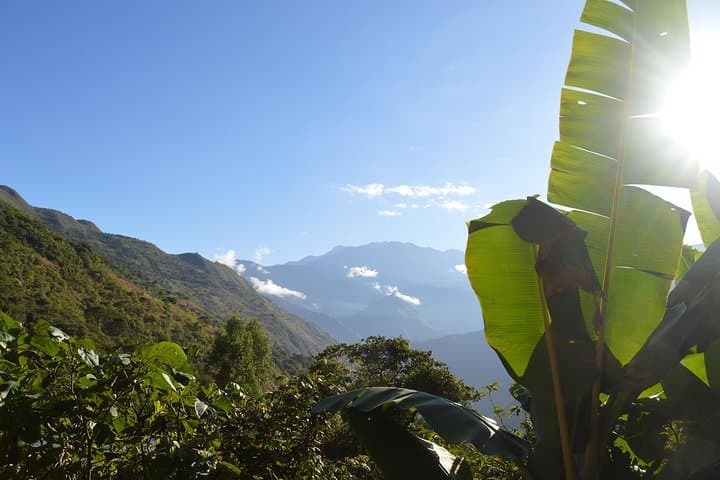
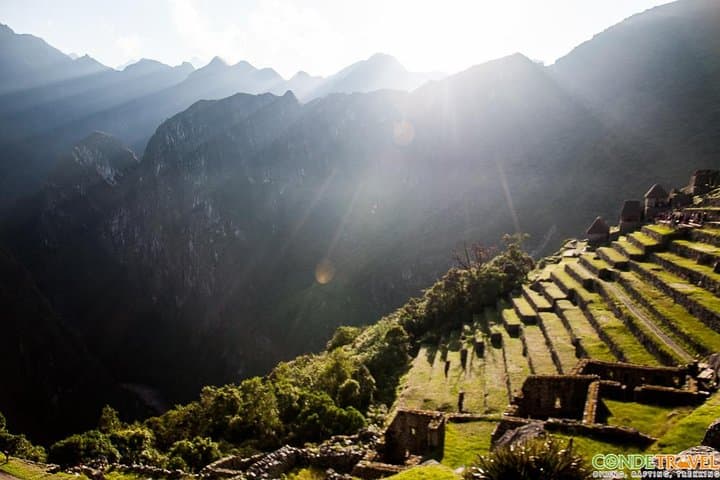
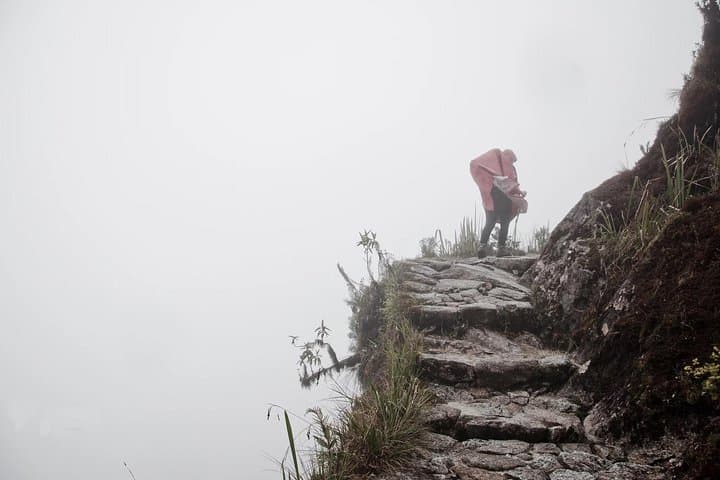
Dawn on the rails at Ollantaytambo is a soft, high-altitude hush: the train slips through steep terraces, and when you step off at kilometre 104 the trail exhales into cloud forest and sunlit steps. The first day moves from cool puna grasslands into humid streaks of moss, the path stitched with Inca stonework that still channels Andean water with precise geometry.
Dawn on the rails at Ollantaytambo is a soft, high-altitude hush: the train slips through steep terraces, and when you step off at kilometre 104 the trail exhales into cloud forest and sunlit steps. The first day moves from cool puna grasslands into humid streaks of moss, the path stitched with Inca stonework that still channels Andean water with precise geometry.
This is the Inca Trail — a corridor of imperial trail-building that connects outlying settlements to the citadel of Machu Picchu. The route passes Chachabamba and the engineered platforms of Wiñay Wayna, tangible evidence of agricultural ingenuity and sacred landscape management by the 15th-century builders. Geologically, you're on the eastern flank of the Andes where folded granite and sedimentary beds have been sheared into narrow ridges; cloud forest clings to the steep flanks and feeds a dense understory rich in orchids and bromeliads.
Culturally, the hike threads contemporary Quechua life and tourism infrastructure: hot springs and market stalls in Aguas Calientes contrast with the ritual geometry of stone plazas above. Guides interpret Intihuatana and ritual spaces while pointing out the sun’s path etched into stones.
Practical guidance: bring layered clothing for rapid weather shifts, carry 2–3 liters of water, and use sturdy, broken-in boots for uneven stone stairways. Expect two full days with early starts, steep ascents, and altitude—pacing and rest matter. Permit limits mean this route sells out; book early and follow Leave No Trace rules and porter/guide instructions to protect fragile archaeological and ecological zones.