THE ADVENTURE COLLECTIVE® · Independent discovery and booking for outdoor travel

See the Taj Mahal at sunrise and explore Jaipur’s forts and observatory on a private two-day loop from New Delhi. This guided tour pairs skip-the-line access with private transport and a 5-star night in Jaipur.
See the Taj Mahal at sunrise and explore Jaipur’s forts and observatory on a private two-day loop from New Delhi. This guided tour pairs skip-the-line access with private transport and a 5-star night in Jaipur.
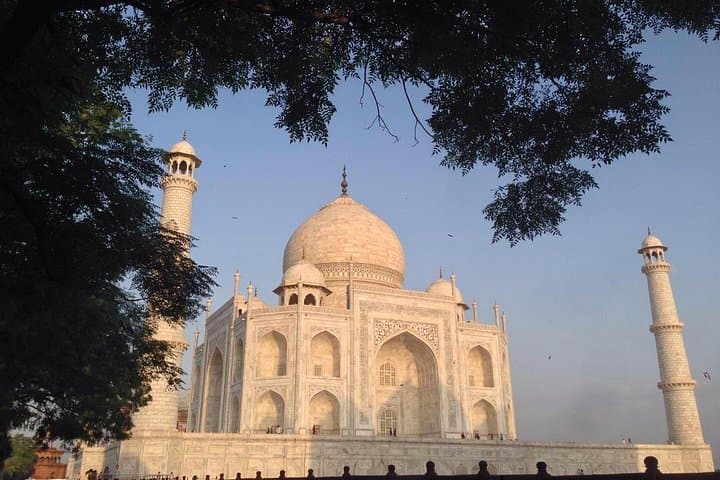
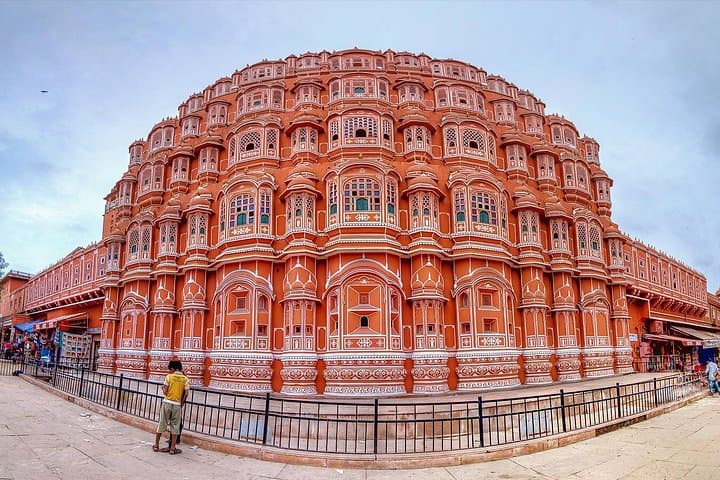
Before dawn on the second day you’ll be parked on the pale lawns facing the Taj Mahal as the first light spills across white marble — a hush falls, cameras click, and the Yamuna pushes a silver ribbon past Agra’s walls. The Golden Triangle compresses three centuries of north Indian history into a short, intense route: Shah Jahan’s Mughal ambition at the Taj, the red sandstone statements of Agra Fort, and Jaipur’s late-18th-century urban experiment that styled itself the Pink City against the low Aravalli hills.
Verified experiences and guided adventures in the surrounding area.
Operated by Akbran Tours · New Delhi, Delhi
Before dawn on the second day you’ll be parked on the pale lawns facing the Taj Mahal as the first light spills across white marble — a hush falls, cameras click, and the Yamuna pushes a silver ribbon past Agra’s walls. The Golden Triangle compresses three centuries of north Indian history into a short, intense route: Shah Jahan’s Mughal ambition at the Taj, the red sandstone statements of Agra Fort, and Jaipur’s late-18th-century urban experiment that styled itself the Pink City against the low Aravalli hills.
Geology here matters: the Taj’s marble was quarried from Makrana, its smoothness the result of ancient metamorphic processes; Jaipur looks out over eroded Aravalli ridges that once fed royal hunting grounds. Culture is visible at every turn — observatory instruments in Jaipur recall a time when astronomy and courtcraft intertwined, while local bazaars trade lac bangles, block prints, and savory street breakfasts.
Practically, this trip is driven comfort: private AC transport, a 5-star overnight in Jaipur, and skip-the-line access at major monuments. Expect early wakeups for the sunrise window, short guided walks on paved paths, and multiple security checkpoints at Mughal sites. Bring comfortable shoes for steps and courtyards, a hat and sunscreen for midday, and layers for cool pre-dawn hours. Hydrate well — northern India’s sun is immediate and relentless by late spring — and budget extra time for market stops and photo pauses. With a professional guide and private car, the route is efficient; what it delivers is concentrated history, vivid urban rhythms, and a sunrise moment that rewards the early alarm.
easy.
2 days (approx. 48 hours).
Suitable for travelers in average physical condition able to walk short distances and climb steps at monuments.
The guide schedules arrival before official opening so you can enter at first light; timings change with season so confirm exact pickup time the night before.
The itinerary notes wheelchair accessibility for transport and many surfaces, but some monument areas have steps — check with the operator for site-specific access arrangements.
Yes — the tour includes monument entrances, a 5-star hotel night in Jaipur, and private AC transport as listed in the inclusions.
Yes — pickup from New Delhi Airport or city hotels is offered; specify flight details when booking to coordinate timing.
The Golden Triangle ties Mughal-era Agra (16th–17th century) to Jaipur’s later Rajput urban planning; many palaces and observatories reflect royal patronage of science and art.
High visitor numbers at the Taj have prompted protective measures (restricted interior access and timed entries); minimize plastic waste, follow guide instructions, and support local businesses to keep tourism sustainable.
Akbran Tours operates guided outdoor trips and adventures with an emphasis on safety, stewardship, and memorable experiences.


Before dawn on the second day you’ll be parked on the pale lawns facing the Taj Mahal as the first light spills across white marble — a hush falls, cameras click, and the Yamuna pushes a silver ribbon past Agra’s walls. The Golden Triangle compresses three centuries of north Indian history into a short, intense route: Shah Jahan’s Mughal ambition at the Taj, the red sandstone statements of Agra Fort, and Jaipur’s late-18th-century urban experiment that styled itself the Pink City against the low Aravalli hills.
Before dawn on the second day you’ll be parked on the pale lawns facing the Taj Mahal as the first light spills across white marble — a hush falls, cameras click, and the Yamuna pushes a silver ribbon past Agra’s walls. The Golden Triangle compresses three centuries of north Indian history into a short, intense route: Shah Jahan’s Mughal ambition at the Taj, the red sandstone statements of Agra Fort, and Jaipur’s late-18th-century urban experiment that styled itself the Pink City against the low Aravalli hills.
Geology here matters: the Taj’s marble was quarried from Makrana, its smoothness the result of ancient metamorphic processes; Jaipur looks out over eroded Aravalli ridges that once fed royal hunting grounds. Culture is visible at every turn — observatory instruments in Jaipur recall a time when astronomy and courtcraft intertwined, while local bazaars trade lac bangles, block prints, and savory street breakfasts.
Practically, this trip is driven comfort: private AC transport, a 5-star overnight in Jaipur, and skip-the-line access at major monuments. Expect early wakeups for the sunrise window, short guided walks on paved paths, and multiple security checkpoints at Mughal sites. Bring comfortable shoes for steps and courtyards, a hat and sunscreen for midday, and layers for cool pre-dawn hours. Hydrate well — northern India’s sun is immediate and relentless by late spring — and budget extra time for market stops and photo pauses. With a professional guide and private car, the route is efficient; what it delivers is concentrated history, vivid urban rhythms, and a sunrise moment that rewards the early alarm.