THE ADVENTURE COLLECTIVE® · Independent discovery and booking for outdoor travel

Combine the surreal white terraces of Pamukkale with the marble streets of Ephesus on a private, two-day tour from Istanbul. Expect guided access to Hierapolis, the Antique Pool, the House of the Virgin Mary and a night in Kuşadası.
Combine the surreal white terraces of Pamukkale with the marble streets of Ephesus on a private, two-day tour from Istanbul. Expect guided access to Hierapolis, the Antique Pool, the House of the Virgin Mary and a night in Kuşadası.
You step off the short domestic flight and the air shifts — drier inland heat, a faint smell of mineral and salt. By mid-morning you’re walking barefoot on warm, white travertines as Pamukkale’s thermal water carves smooth pools into the hillside, each terrace catching light like a shallow mirror. Later, the stones of Ephesus rise from marble streets where chariot ruts still trace ancient traffic; the Celsus Library façade watches visitors like a patient scholar.
Verified experiences and guided adventures in the surrounding area.
Operated by Guide of Ephesus · Pamukkale, Denizli
You step off the short domestic flight and the air shifts — drier inland heat, a faint smell of mineral and salt. By mid-morning you’re walking barefoot on warm, white travertines as Pamukkale’s thermal water carves smooth pools into the hillside, each terrace catching light like a shallow mirror. Later, the stones of Ephesus rise from marble streets where chariot ruts still trace ancient traffic; the Celsus Library façade watches visitors like a patient scholar.
Geology and history are inseparable here: Pamukkale’s terraces formed as carbonate-rich springs deposited minerals over millennia, while the adjacent ruins of Hierapolis grew into a Roman spa town, its necropolis one of the largest in Anatolia. Ephesus, once a major Mediterranean port, preserves urban life from Greek agora to Roman theater, and nearby the House of the Virgin Mary offers a quieter, devotional counterpoint.
Culture echoes in small ways — local artisans in Kuşadası and Şirince offer handwoven textiles and olive-oil soaps, and simple countryside lunches taste of lemon and oregano. For travelers, the pace is deliberate: plan early starts to avoid crowds, carry modest clothing for sacred sites, and allow time for gentle walks across uneven stone.
Practical notes: the tour includes domestic flights, one night in Kuşadası, licensed guides, and private transfers. Wear sturdy shoes you can slip off for the travertines, bring sun protection and a swimsuit for the Antique Pool, and keep euros or Turkish lira for small purchases. Expect a full two-day itinerary with moderate walking over ancient stairs and mineral terraces — rewarding, tactile, and historically dense.
moderate.
2 days.
Moderate fitness for extended walking and uneven surfaces; able to handle stairs and short uphill sections.
The tour can include admission to main sites; confirm at booking whether museum or site tickets are prepaid or paid on the spot.
You can wade in certain travertine pools barefoot and swim in the Antique (Cleopatra) Pool where permitted; follow site rules to protect formations.
Some parts, like terraces and ancient streets, are uneven and not wheelchair-friendly, though the operator lists wheelchair-accessible options — clarify your needs when booking.
Expect several hours of moderate walking each day across stone steps, marble streets and terraces; comfortable pacing and frequent stops are included.
Ephesus was a major Greek and Roman urban center and a key early Christian site; Pamukkale and Hierapolis developed as a Roman-era spa complex built atop ancient mineral springs.
Pamukkale’s fragile travertines are protected by strict visitor rules (no shoes, limited areas); visitors are asked to stay on designated paths and avoid soaps or oils in thermal waters.
Guide of Ephesus operates guided outdoor trips and adventures with an emphasis on safety, stewardship, and memorable experiences.
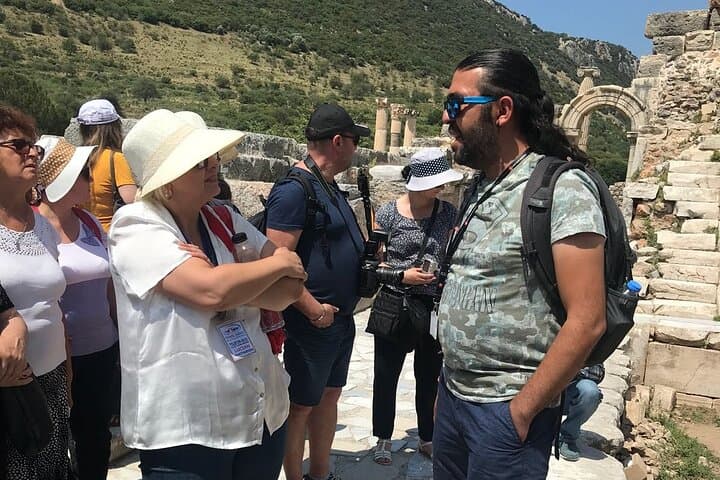

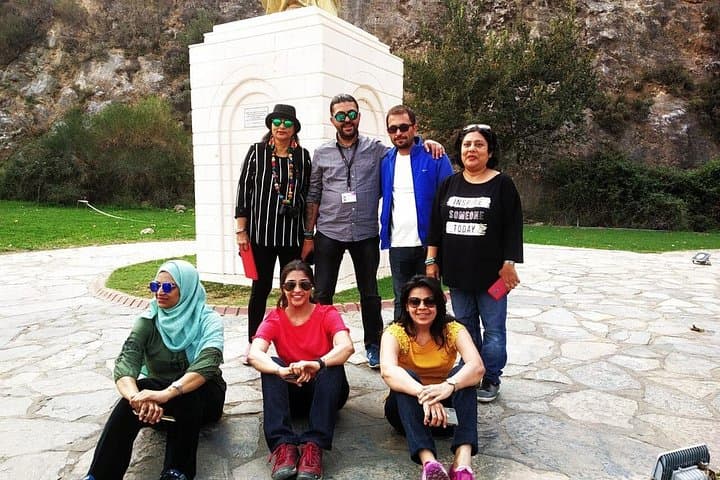
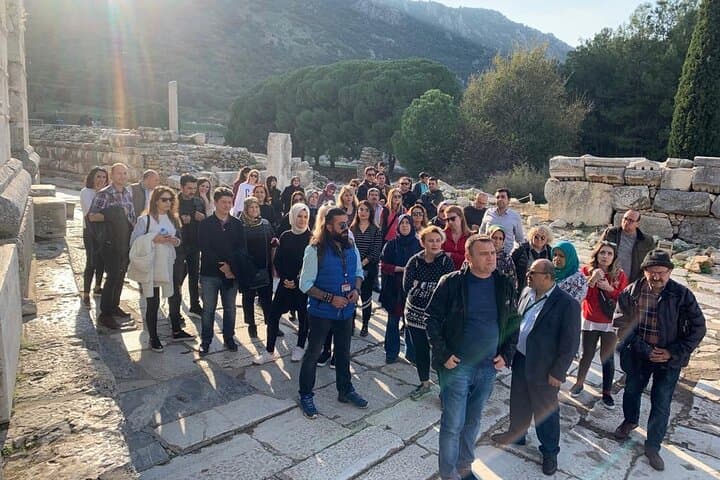
You step off the short domestic flight and the air shifts — drier inland heat, a faint smell of mineral and salt. By mid-morning you’re walking barefoot on warm, white travertines as Pamukkale’s thermal water carves smooth pools into the hillside, each terrace catching light like a shallow mirror. Later, the stones of Ephesus rise from marble streets where chariot ruts still trace ancient traffic; the Celsus Library façade watches visitors like a patient scholar.
You step off the short domestic flight and the air shifts — drier inland heat, a faint smell of mineral and salt. By mid-morning you’re walking barefoot on warm, white travertines as Pamukkale’s thermal water carves smooth pools into the hillside, each terrace catching light like a shallow mirror. Later, the stones of Ephesus rise from marble streets where chariot ruts still trace ancient traffic; the Celsus Library façade watches visitors like a patient scholar.
Geology and history are inseparable here: Pamukkale’s terraces formed as carbonate-rich springs deposited minerals over millennia, while the adjacent ruins of Hierapolis grew into a Roman spa town, its necropolis one of the largest in Anatolia. Ephesus, once a major Mediterranean port, preserves urban life from Greek agora to Roman theater, and nearby the House of the Virgin Mary offers a quieter, devotional counterpoint.
Culture echoes in small ways — local artisans in Kuşadası and Şirince offer handwoven textiles and olive-oil soaps, and simple countryside lunches taste of lemon and oregano. For travelers, the pace is deliberate: plan early starts to avoid crowds, carry modest clothing for sacred sites, and allow time for gentle walks across uneven stone.
Practical notes: the tour includes domestic flights, one night in Kuşadası, licensed guides, and private transfers. Wear sturdy shoes you can slip off for the travertines, bring sun protection and a swimsuit for the Antique Pool, and keep euros or Turkish lira for small purchases. Expect a full two-day itinerary with moderate walking over ancient stairs and mineral terraces — rewarding, tactile, and historically dense.