THE ADVENTURE COLLECTIVE® · Independent discovery and booking for outdoor travel

A compact, private 2‑day tour that pairs Old Dhaka’s bazaars and Mughal-era monuments with a Sonargaon visit and a wooden-boat cruise on the Meghna. Ideal for travelers who want concentrated cultural immersion with manageable walking and a taste of riverine life.
A compact, private 2‑day tour that pairs Old Dhaka’s bazaars and Mughal-era monuments with a Sonargaon visit and a wooden-boat cruise on the Meghna. Ideal for travelers who want concentrated cultural immersion with manageable walking and a taste of riverine life.
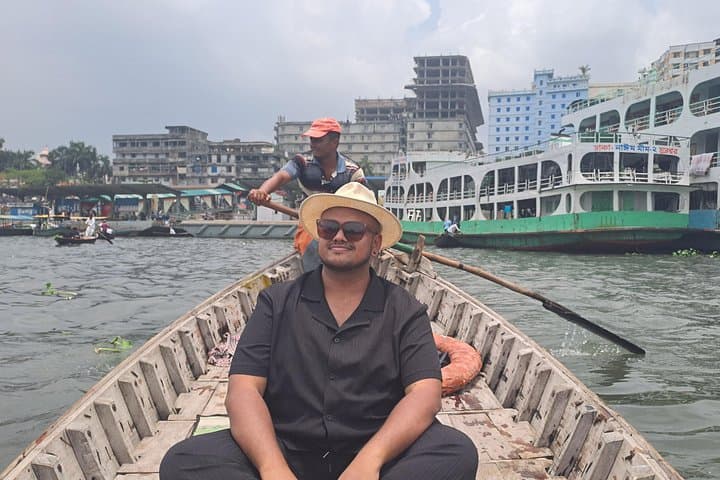
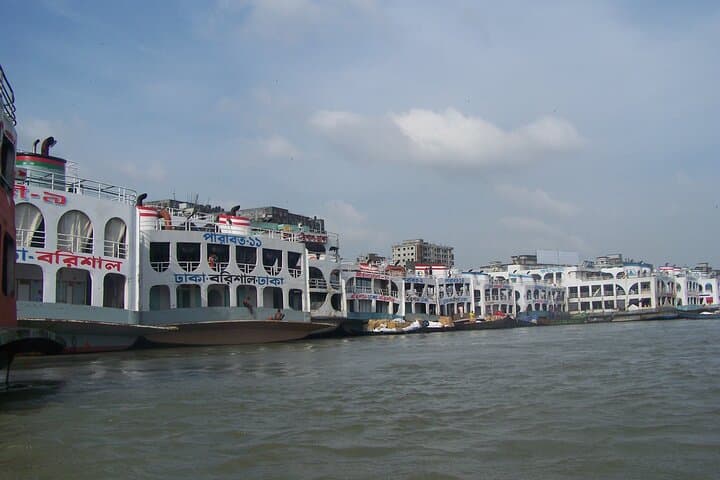
You step out of an air-conditioned car onto a narrow lane of Old Dhaka: humid air, street vendors calling, the Buriganga River moving like a dark ribbon under a cluster of sampans. The first day threads through civic landmarks and cramped markets — Baitul Mukarram’s vast concrete bowl, the pink façade of Ahsan Manzil, and the mosaicked Star Mosque — each space offering a different layer of the city’s past and present.
Verified experiences and guided adventures in the surrounding area.
Operated by MAM Holidays Limited · Dhaka, Dhaka
You step out of an air-conditioned car onto a narrow lane of Old Dhaka: humid air, street vendors calling, the Buriganga River moving like a dark ribbon under a cluster of sampans. The first day threads through civic landmarks and cramped markets — Baitul Mukarram’s vast concrete bowl, the pink façade of Ahsan Manzil, and the mosaicked Star Mosque — each space offering a different layer of the city’s past and present.
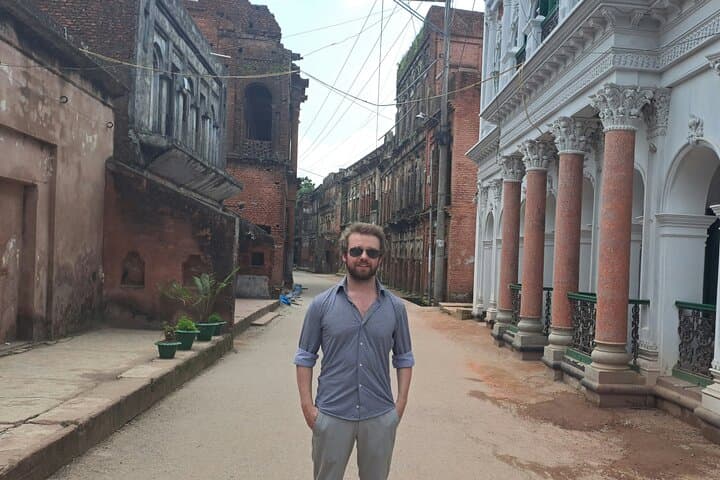
Dhaka’s story runs from Mughal riverine ports to colonial trading posts; Sonargaon, the next day, was once a regional capital and craft hub whose ruins and Panam Nagar houses show pre-colonial urban patterns and early masonry techniques. The Meghna River widens into open water here, exposing alluvial islands and mangrove edges shaped by seasonal floods.
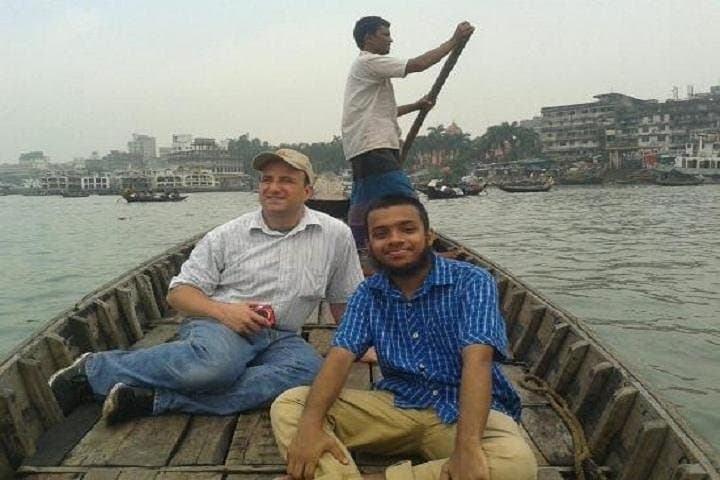
Cultural notes: Old Dhaka is loud and tactile — food stalls, artisans, and religious sites coexist within metres. The Sonargaon segment includes the Folk Art and Crafts Museum and a wooden-boat cruise that pauses at Nunertek Island to observe island life and small-scale Hilsa fishing.
Practical guidance: Expect a lot of walking on uneven streets, stairs in heritage buildings, and short boat transfers. Dress respectfully at mosques and temples; bring insect repellent for riverside stops and carry small cash for market purchases. Traffic can add travel time between sites, so allow flexible scheduling. The tour pairs history with hands-on encounters — comfortable shoes, a light daypack, and patience with local rhythms will make the 48‑hour itinerary rewarding.
easy.
2 days (approx. 8–10 hours per day).
Light to moderate—suitable for most fitness levels; expect walking up to several kilometres and short boat transfers.
Pickup is typically arranged from central Dhaka hotels; confirm your pickup point when booking and allow extra time for traffic.
The itinerary lists lunch and some boat/cruise charges as included, but check the booking details for admissions that may be excluded (Ahsan Manzil or museums can have separate fees).
Yes—it's rated easy with moderate walking; inform the operator of mobility needs so stops and pacing can be adjusted.
Cool, dry months (November–February) are most comfortable for walking and river visits; monsoon season can affect boat schedules.
Dhaka grew as a Mughal administrative and river trade centre; Sonargaon was a medieval port and home to the region’s early administrative and craft industries.
River pollution and heritage-site decay are ongoing concerns—choose operators who respect local waste practices and avoid single-use plastics.
MAM Holidays Limited operates guided outdoor trips and adventures with an emphasis on safety, stewardship, and memorable experiences.
You step out of an air-conditioned car onto a narrow lane of Old Dhaka: humid air, street vendors calling, the Buriganga River moving like a dark ribbon under a cluster of sampans. The first day threads through civic landmarks and cramped markets — Baitul Mukarram’s vast concrete bowl, the pink façade of Ahsan Manzil, and the mosaicked Star Mosque — each space offering a different layer of the city’s past and present.
You step out of an air-conditioned car onto a narrow lane of Old Dhaka: humid air, street vendors calling, the Buriganga River moving like a dark ribbon under a cluster of sampans. The first day threads through civic landmarks and cramped markets — Baitul Mukarram’s vast concrete bowl, the pink façade of Ahsan Manzil, and the mosaicked Star Mosque — each space offering a different layer of the city’s past and present.
Dhaka’s story runs from Mughal riverine ports to colonial trading posts; Sonargaon, the next day, was once a regional capital and craft hub whose ruins and Panam Nagar houses show pre-colonial urban patterns and early masonry techniques. The Meghna River widens into open water here, exposing alluvial islands and mangrove edges shaped by seasonal floods.
Cultural notes: Old Dhaka is loud and tactile — food stalls, artisans, and religious sites coexist within metres. The Sonargaon segment includes the Folk Art and Crafts Museum and a wooden-boat cruise that pauses at Nunertek Island to observe island life and small-scale Hilsa fishing.
Practical guidance: Expect a lot of walking on uneven streets, stairs in heritage buildings, and short boat transfers. Dress respectfully at mosques and temples; bring insect repellent for riverside stops and carry small cash for market purchases. Traffic can add travel time between sites, so allow flexible scheduling. The tour pairs history with hands-on encounters — comfortable shoes, a light daypack, and patience with local rhythms will make the 48‑hour itinerary rewarding.