THE ADVENTURE COLLECTIVE® · Independent discovery and booking for outdoor travel

A compact, private two-day journey from Dakar to the Pink Lake and Lompoul Desert, capped with a cultural visit to Touba's Great Mosque. Expect scenic drives, salt-harvesting scenes, a 4WD desert transfer, and an evening of traditional music.
A compact, private two-day journey from Dakar to the Pink Lake and Lompoul Desert, capped with a cultural visit to Touba's Great Mosque. Expect scenic drives, salt-harvesting scenes, a 4WD desert transfer, and an evening of traditional music.
You step out of Dakar's bustle and into a different rhythm: the Atlantic wind trims the road as you drive north to the famous Pink Lake, its surface shining a pale rosé that dares you to look closer.
Verified experiences and guided adventures in the surrounding area.
Operated by SENEGAL ODYSSEY TOURS · Dakar, Dakar Region
You step out of Dakar's bustle and into a different rhythm: the Atlantic wind trims the road as you drive north to the famous Pink Lake, its surface shining a pale rosé that dares you to look closer.
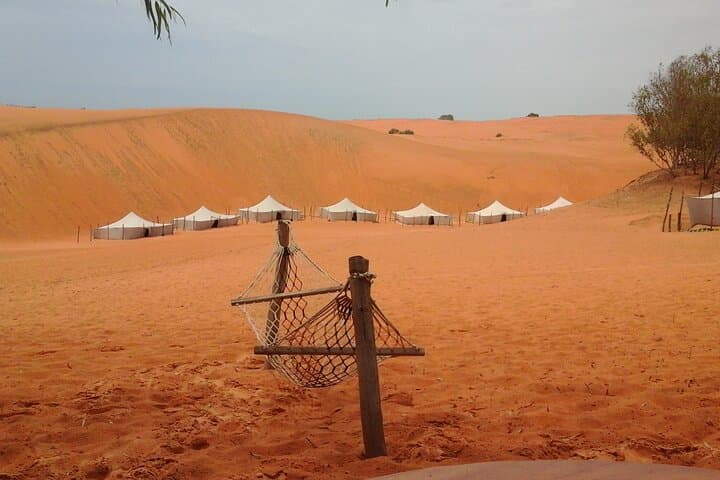
The first day moves from salt pans—where men and women still harvest rock-hard cakes of salt—to the open wash of Lompoul Desert, a small Saharan outlier where orange dunes rise like warm waves. Geologically young dunes sit on ancient substrates; the change from coastal clay to wind-sculpted sand is immediate and tactile. By night, a traditional jembe drum circle under clear skies gives the landscape voice while tents with modern facilities offer a surprising splash of comfort.
Day two heads inland to Touba, the holy city whose Great Mosque is one of West Africa's most striking religious sites, layered with the region's Sufi history and pilgrimage culture.
Practical guidance: expect long drives on paved roads and a short 4WD transfer into the desert; minimal hiking is involved but uneven sand requires steady footing. Bring sun protection and a refillable water bottle, and plan for early starts to avoid midday heat. Respect dress codes in Touba and follow guide directions near religious sites.
This trip balances simple, immersive natural contrasts—salt, sand, and sacred architecture—with accessible logistics, making it a compact two-day introduction to Senegal's coastal and desert edges.
easy.
2 days.
Suitable for most travelers in average health; minimal hiking but expect uneven sand and vehicle transfers.
Yes; the salt pans are safe to observe and walk around in designated areas—follow guide directions and don’t enter restricted collectors' zones.
Access can be restricted depending on events and local rules; guides will advise current policies and appropriate behavior for visitors.
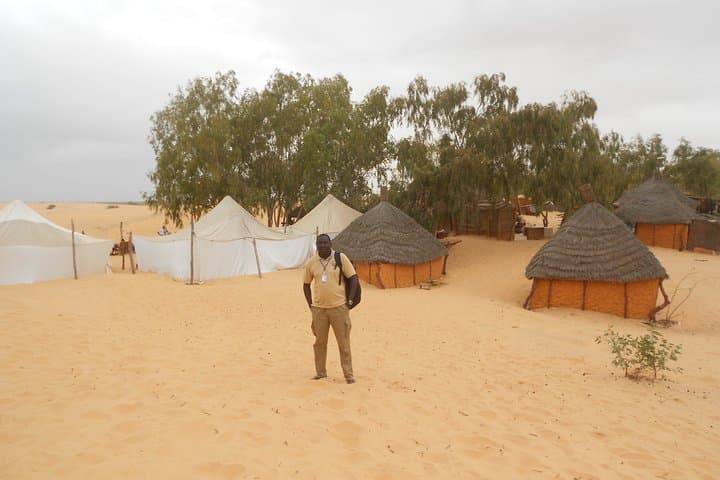
Tents are described as VIP with modern toilets and showers at the camp; expect basic luxury rather than full hotel amenities.
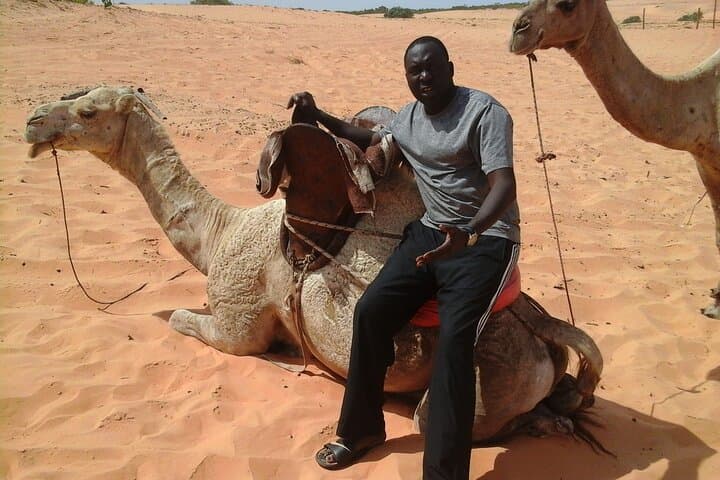
Camel rides are often available as an optional activity at the Lompoul camp—confirm availability when booking as they can be seasonal.
Lake Retba has long been a local salt-harvesting center and played a practical role in regional trade, while Touba was founded in the 19th century as the spiritual heart of the Mouride brotherhood.
Salt-harvesting and desert camps operate in sensitive coastal and dune ecosystems—minimize plastic use, stick to marked paths, and support operators who manage waste and water responsibly.
SENEGAL ODYSSEY TOURS operates guided outdoor trips and adventures with an emphasis on safety, stewardship, and memorable experiences.
You step out of Dakar's bustle and into a different rhythm: the Atlantic wind trims the road as you drive north to the famous Pink Lake, its surface shining a pale rosé that dares you to look closer.
You step out of Dakar's bustle and into a different rhythm: the Atlantic wind trims the road as you drive north to the famous Pink Lake, its surface shining a pale rosé that dares you to look closer.
The first day moves from salt pans—where men and women still harvest rock-hard cakes of salt—to the open wash of Lompoul Desert, a small Saharan outlier where orange dunes rise like warm waves. Geologically young dunes sit on ancient substrates; the change from coastal clay to wind-sculpted sand is immediate and tactile. By night, a traditional jembe drum circle under clear skies gives the landscape voice while tents with modern facilities offer a surprising splash of comfort.
Day two heads inland to Touba, the holy city whose Great Mosque is one of West Africa's most striking religious sites, layered with the region's Sufi history and pilgrimage culture.
Practical guidance: expect long drives on paved roads and a short 4WD transfer into the desert; minimal hiking is involved but uneven sand requires steady footing. Bring sun protection and a refillable water bottle, and plan for early starts to avoid midday heat. Respect dress codes in Touba and follow guide directions near religious sites.
This trip balances simple, immersive natural contrasts—salt, sand, and sacred architecture—with accessible logistics, making it a compact two-day introduction to Senegal's coastal and desert edges.