THE ADVENTURE COLLECTIVE® · Independent discovery and booking for outdoor travel

See two of Sichuan’s biggest draws in a private two-day tour: the towering Leshan Giant Buddha carved into a river cliff, and Chengdu’s world-renowned Giant Panda Breeding Research Base. This itinerary pairs cultural scale with close-up wildlife viewing and private transport.
See two of Sichuan’s biggest draws in a private two-day tour: the towering Leshan Giant Buddha carved into a river cliff, and Chengdu’s world-renowned Giant Panda Breeding Research Base. This itinerary pairs cultural scale with close-up wildlife viewing and private transport.
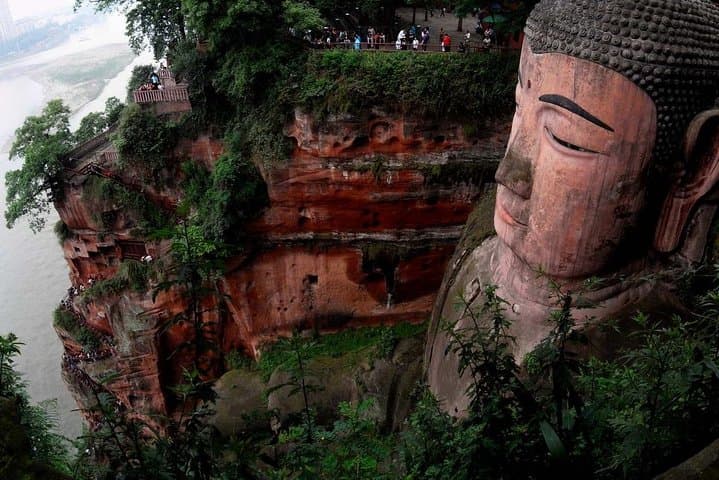
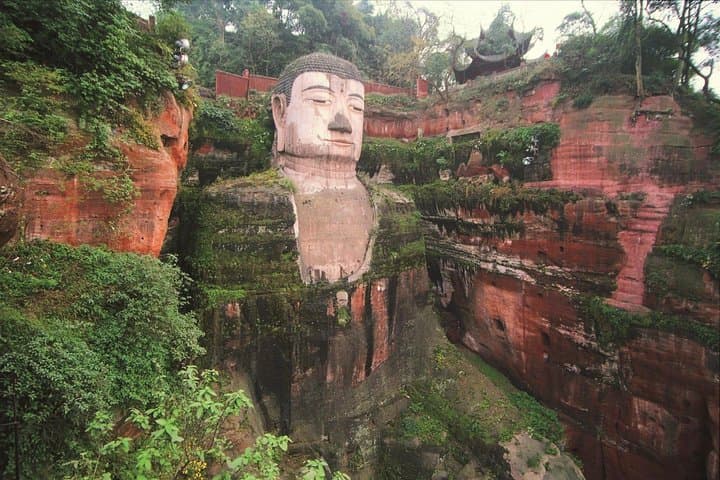
Morning light on a Sichuan highway feels like the country is waking in slow motion: billboards slide past, the van hums, and mountains loom as distant, patient shapes. On day one you arrive at the Leshan Giant Buddha—an 71-meter stone figure carved into Lingyun Mountain where three rivers argue at its feet. The river dares you to see the statue from water level; the cliff invites a measured walk from head to toe that reveals the scale and the carvings’ weathered detail.
Verified experiences and guided adventures in the surrounding area.
Operated by Ws China Trips · Chengdu, Sichuan
Morning light on a Sichuan highway feels like the country is waking in slow motion: billboards slide past, the van hums, and mountains loom as distant, patient shapes. On day one you arrive at the Leshan Giant Buddha—an 71-meter stone figure carved into Lingyun Mountain where three rivers argue at its feet. The river dares you to see the statue from water level; the cliff invites a measured walk from head to toe that reveals the scale and the carvings’ weathered detail.
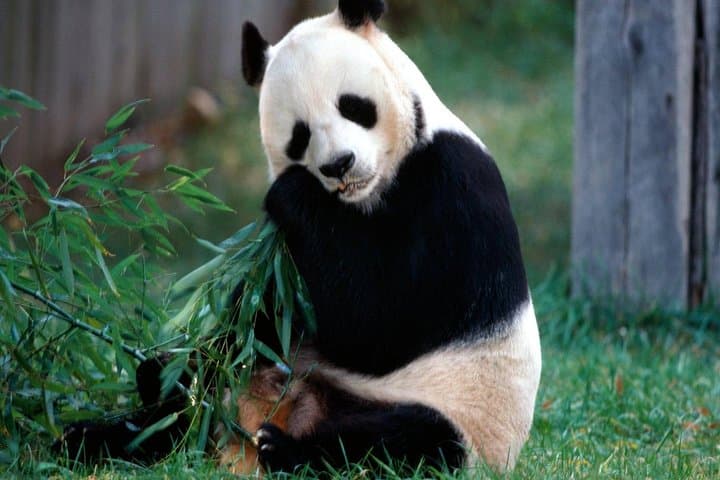
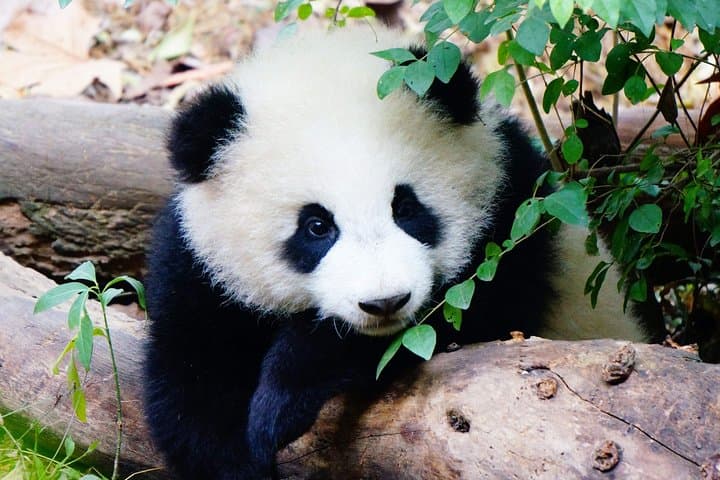
By day two the scene shifts to the green roofs and quiet paths of Chengdu’s Giant Panda Breeding Research Base. Bamboo chutes and mock wilding enclosures make the animals feel close yet protected; the pandas move with deliberate curiosity, seeming to choose when to retreat and when to inspect you.
The Buddha was begun in the Tang dynasty to calm treacherous currents at the river confluence; the panda program has its roots in 20th-century conservation efforts centered in Sichuan. Together they sketch a region where geology, faith and wildlife shaped daily life. Local culture shows in Jinli Street’s brocade shops and teahouses—good places to sample spicy Sichuan snacks and watch locals play mahjong.
Practical notes: this private tour uses a van and English-speaking guide, includes lunches and entrance fees, and requires a passport on the day. Wear comfortable walking shoes for stairs at Leshan, bring rain protection and a small daypack, and plan early starts—pandas are most active at dawn. Respect barriers at animal enclosures, keep noise low, and follow your guide’s timing to make the most of both sites.
easy.
2 days.
Suitable for most fitness levels; expect moderate walking and stairs but no technical exertion
Yes, private van pickup from centrally located Chengdu hotels is included; confirm your pickup point when booking.
Entrance fees for the listed sites and two lunches are included as stated in the itinerary.
A river cruise is available but is an optional extra at local cost; ask your guide if you want to add it.
The tour involves stairs and uneven steps at Leshan and walking paths at the panda base; it may be challenging for those with serious mobility issues.
The Leshan Giant Buddha was carved starting in the early Tang dynasty (713 CE) by monk Hai Tong to calm dangerous river currents; Chengdu’s panda reserves evolved from mid-20th century conservation and breeding programs in Sichuan.
The panda base focuses on captive breeding, research and reintroduction planning—visitors must stay on paths and avoid feeding or touching animals to minimize human impact.
Ws China Trips operates guided outdoor trips and adventures with an emphasis on safety, stewardship, and memorable experiences.
Morning light on a Sichuan highway feels like the country is waking in slow motion: billboards slide past, the van hums, and mountains loom as distant, patient shapes. On day one you arrive at the Leshan Giant Buddha—an 71-meter stone figure carved into Lingyun Mountain where three rivers argue at its feet. The river dares you to see the statue from water level; the cliff invites a measured walk from head to toe that reveals the scale and the carvings’ weathered detail.
Morning light on a Sichuan highway feels like the country is waking in slow motion: billboards slide past, the van hums, and mountains loom as distant, patient shapes. On day one you arrive at the Leshan Giant Buddha—an 71-meter stone figure carved into Lingyun Mountain where three rivers argue at its feet. The river dares you to see the statue from water level; the cliff invites a measured walk from head to toe that reveals the scale and the carvings’ weathered detail.
By day two the scene shifts to the green roofs and quiet paths of Chengdu’s Giant Panda Breeding Research Base. Bamboo chutes and mock wilding enclosures make the animals feel close yet protected; the pandas move with deliberate curiosity, seeming to choose when to retreat and when to inspect you.
The Buddha was begun in the Tang dynasty to calm treacherous currents at the river confluence; the panda program has its roots in 20th-century conservation efforts centered in Sichuan. Together they sketch a region where geology, faith and wildlife shaped daily life. Local culture shows in Jinli Street’s brocade shops and teahouses—good places to sample spicy Sichuan snacks and watch locals play mahjong.
Practical notes: this private tour uses a van and English-speaking guide, includes lunches and entrance fees, and requires a passport on the day. Wear comfortable walking shoes for stairs at Leshan, bring rain protection and a small daypack, and plan early starts—pandas are most active at dawn. Respect barriers at animal enclosures, keep noise low, and follow your guide’s timing to make the most of both sites.