THE ADVENTURE COLLECTIVE® · Independent discovery and booking for outdoor travel

Fly from Cairo to stand before Ramses II at Abu Simbel, then traverse the ancient precincts of Luxor over two concentrated days. This private tour pairs fast domestic flights with expert Egyptologist guidance to maximize time at iconic sites.
Fly from Cairo to stand before Ramses II at Abu Simbel, then traverse the ancient precincts of Luxor over two concentrated days. This private tour pairs fast domestic flights with expert Egyptologist guidance to maximize time at iconic sites.
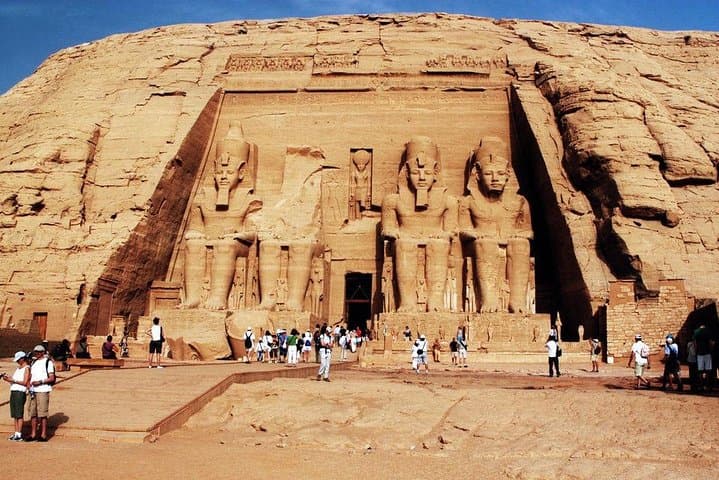
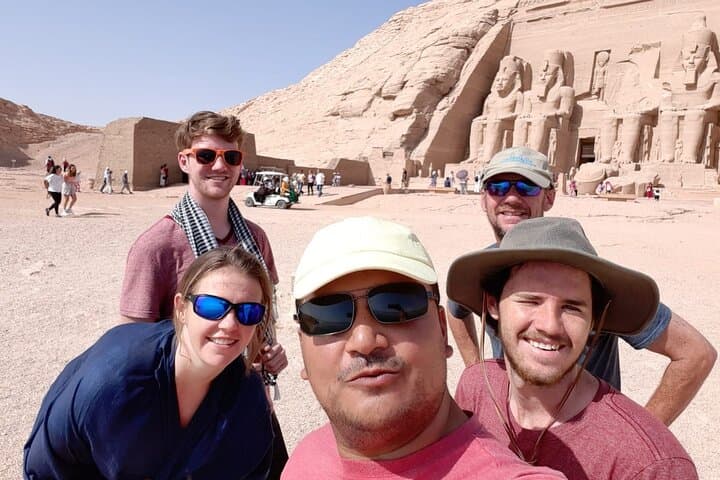
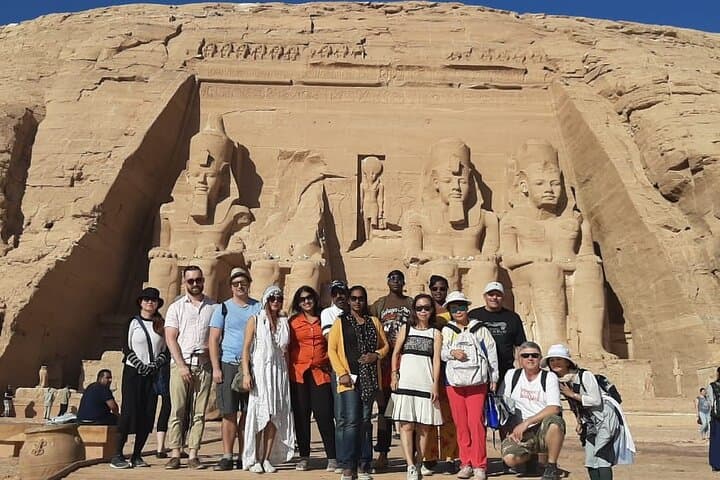
Before sunrise a Cairo hotel lobby hums with quiet purpose: passports checked, luggage tucked into a private transfer, and the city’s sodium lights giving way to an early pale sky. Within hours the river valley unfolds below the plane — a green ribbon through ochre desert — and the first silhouette to arrest the eye is Abu Simbel, its colossal faces cutting into a sandstone cliff.
Verified experiences and guided adventures in the surrounding area.
Operated by Hola Egipto · Cairo, Cairo Governorate
Before sunrise a Cairo hotel lobby hums with quiet purpose: passports checked, luggage tucked into a private transfer, and the city’s sodium lights giving way to an early pale sky. Within hours the river valley unfolds below the plane — a green ribbon through ochre desert — and the first silhouette to arrest the eye is Abu Simbel, its colossal faces cutting into a sandstone cliff.
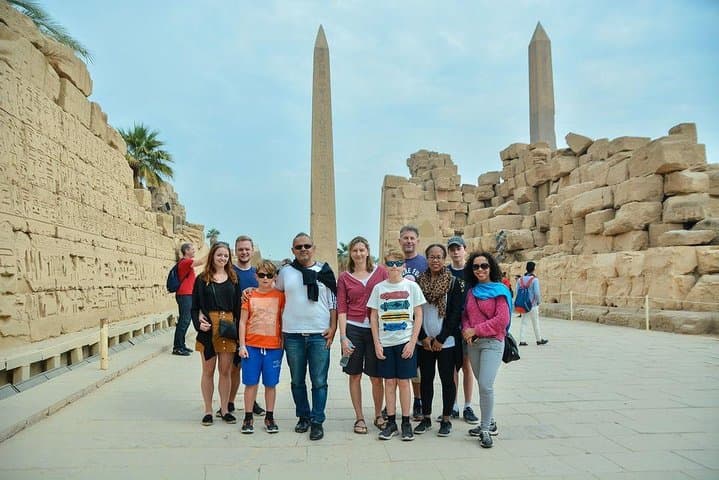
Abu Simbel was carved by Ramses II in the 13th century BCE and famously moved in the 1960s to escape the rising waters of Lake Nasser; the site’s sandstone remains warm to the touch and intensely textured. Luxor, once Thebes, offers a counterpoint: the necropolises of the West Bank, the tomb-lined Valley of the Kings, and the layered stonework of Karnak and Luxor Temples, where columns tell dynastic stories in lotus and papyrus reliefs.
Culturally the trip is curated by a multilingual Egyptologist who translates inscriptions and places monuments in political and religious context, while local drivers navigate desert roads and a short train link connects Aswan and Luxor.
Practically, expect early starts, short guided walks across uneven stone, and hot, dry air that demands steady hydration. The itinerary includes domestic flights (Cairo–Aswan–Luxor–Cairo), transfers, entrance fees, and one overnight at a 5-star Aswan hotel with breakfast. Bring sun protection, comfortable shoes for uneven surfaces, and a light layer for cooler mornings. Modest dress is requested at religious sites. With logistical details handled, the experience focuses on scale — of temples, of history, and of the desert sky above the Nile.
easy.
2 days.
Suitable for travelers who can walk short distances on uneven ground and climb a few steps; no special fitness required.
Yes — domestic flights Cairo–Aswan and Luxor–Cairo are included in the itinerary.
The trip is rated easy and suitable for most ages, though some walking on uneven ground and a few steps in tombs are required.
All main entrance fees and one night’s accommodation in a 5-star Aswan hotel (B&B) are included.
Many nationalities require an Egyptian visa — check current embassy guidance and arrange it before travel if needed.
The route links New Kingdom royal power (Luxor/Thebes) with Ramesside monumental propaganda at Abu Simbel; the latter was relocated in the 1960s to save it from Nile flooding caused by the Aswan High Dam.
High visitor numbers and climate exposure stress fragile painted reliefs; follow guide directions, avoid touching surfaces, and use refillable water to reduce single-use plastic.
Hola Egipto operates guided outdoor trips and adventures with an emphasis on safety, stewardship, and memorable experiences.
Before sunrise a Cairo hotel lobby hums with quiet purpose: passports checked, luggage tucked into a private transfer, and the city’s sodium lights giving way to an early pale sky. Within hours the river valley unfolds below the plane — a green ribbon through ochre desert — and the first silhouette to arrest the eye is Abu Simbel, its colossal faces cutting into a sandstone cliff.
Before sunrise a Cairo hotel lobby hums with quiet purpose: passports checked, luggage tucked into a private transfer, and the city’s sodium lights giving way to an early pale sky. Within hours the river valley unfolds below the plane — a green ribbon through ochre desert — and the first silhouette to arrest the eye is Abu Simbel, its colossal faces cutting into a sandstone cliff.
Abu Simbel was carved by Ramses II in the 13th century BCE and famously moved in the 1960s to escape the rising waters of Lake Nasser; the site’s sandstone remains warm to the touch and intensely textured. Luxor, once Thebes, offers a counterpoint: the necropolises of the West Bank, the tomb-lined Valley of the Kings, and the layered stonework of Karnak and Luxor Temples, where columns tell dynastic stories in lotus and papyrus reliefs.
Culturally the trip is curated by a multilingual Egyptologist who translates inscriptions and places monuments in political and religious context, while local drivers navigate desert roads and a short train link connects Aswan and Luxor.
Practically, expect early starts, short guided walks across uneven stone, and hot, dry air that demands steady hydration. The itinerary includes domestic flights (Cairo–Aswan–Luxor–Cairo), transfers, entrance fees, and one overnight at a 5-star Aswan hotel with breakfast. Bring sun protection, comfortable shoes for uneven surfaces, and a light layer for cooler mornings. Modest dress is requested at religious sites. With logistical details handled, the experience focuses on scale — of temples, of history, and of the desert sky above the Nile.