THE ADVENTURE COLLECTIVE® · Independent discovery and booking for outdoor travel

A private 14-day trek from Lukla to Everest Base Camp and Kala Patthar that combines cultural stops, glacier views and high-altitude hiking. Ideal for trekkers with solid fitness who want teahouse comforts and guided logistics.
A private 14-day trek from Lukla to Everest Base Camp and Kala Patthar that combines cultural stops, glacier views and high-altitude hiking. Ideal for trekkers with solid fitness who want teahouse comforts and guided logistics.
You step off a small Twin Otter in Lukla and mountain air bites clean; prayer flags snap like distant applause as the trail threads into rhododendron forest and then opens to rock and moraine. Days blend into high passes and tea-house rhythms—hot dal bhat at dusk, headlamp-lit maps, and the slow, deliberate climb that turns ordinary steps into altitude strategy.
Verified experiences and guided adventures in the surrounding area.
Operated by Unique Path Trekking and Expedition (P.) Ltd · Lukla, Province No. 1
You step off a small Twin Otter in Lukla and mountain air bites clean; prayer flags snap like distant applause as the trail threads into rhododendron forest and then opens to rock and moraine. Days blend into high passes and tea-house rhythms—hot dal bhat at dusk, headlamp-lit maps, and the slow, deliberate climb that turns ordinary steps into altitude strategy.
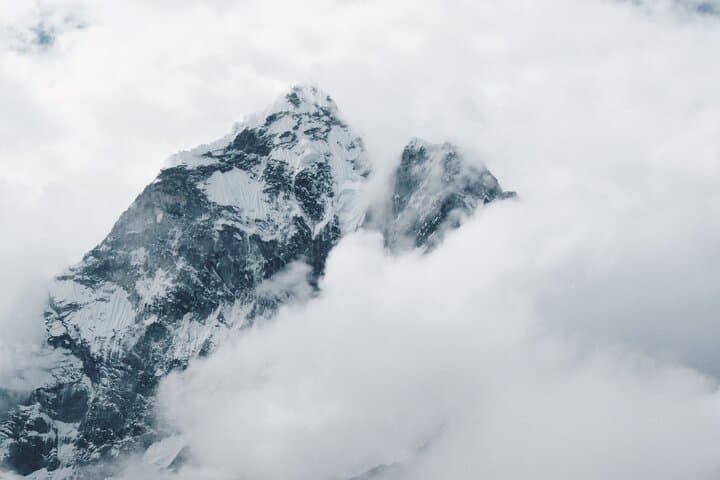
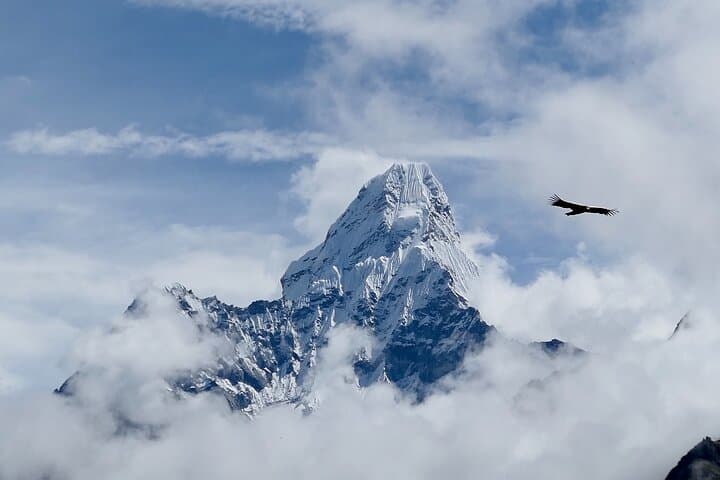
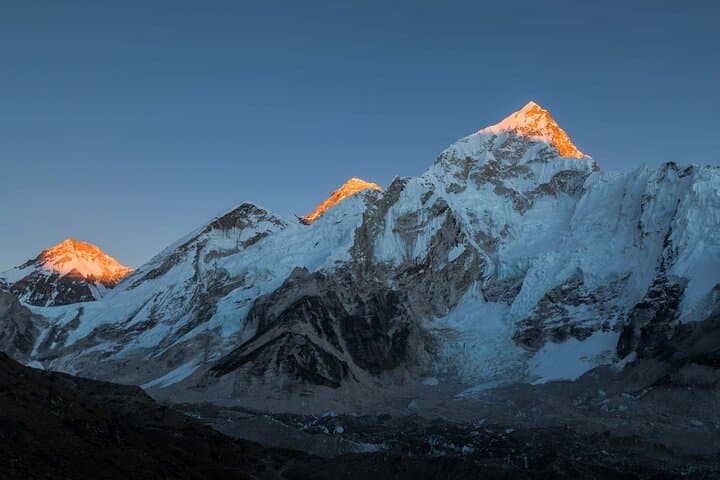
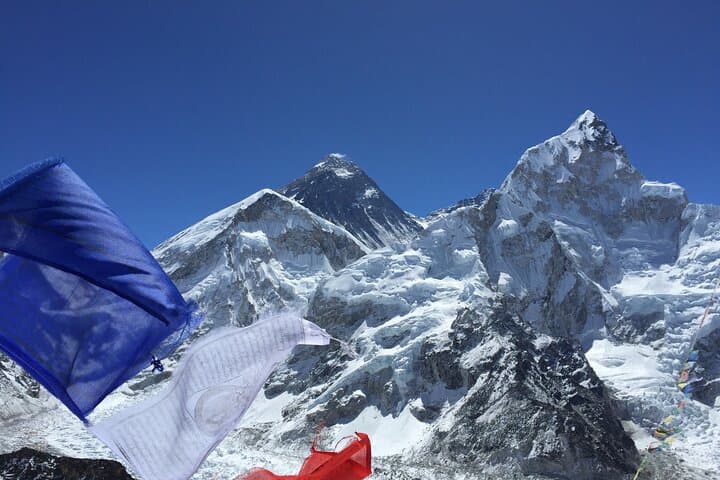
The route follows the Dudh Koshi and Imja valleys, passing Sherpa villages where mani stones and chortens mark routes established for generations. Geologically, you’re walking on ancient uplift: the Khumbu Glacier, a living river of ice, has carved moraines and exposed bedrock that frames Everest’s jagged skyline. Culturally the region is Sherpa country—Tengboche Monastery is both spiritual waypoint and place to learn local practice before the thin-air push to Gorak Shep, Everest Base Camp and Kala Patthar.
Practically, expect sustained high-altitude hiking: single-day approaches of 4–8 hours, lodges on twin-share beds, and mornings that reward early starts with clearer views. Acclimatize—built-in rest days, slow ascent and hydration matter more than pace. Weather shifts fast; clear, cold mornings can give way to wind and snow by afternoon. Footwear with ankle support, layered insulation, sun protection and a good down jacket change your experience from miserable to manageable.
This private, guided itinerary covers Lukla flights, permits and teahouse lodging—so you focus on the climb, the views and the discipline of moving uphill where the mountains insist you pay attention.
challenging.
12–14 days.
Requires good cardiovascular fitness, experience with multi-day hiking and the ability to cope with long days at altitude.
No technical climbing is required; the trek is strenuous due to altitude and long days, but no rope or climbing gear is necessary.
The flight between Kathmandu and Lukla is about 30–40 minutes; flights are weather-dependent and can be delayed—allow buffer days in your schedule.
Teahouse (guest house) accommodation with twin-share rooms is standard; basic heating and shared bathrooms are common at higher elevations.
Yes—this private package typically includes an experienced English-speaking guide, TIMS and national park permits and domestic flights Lukla–Kathmandu.
The Khumbu region is home to the Sherpa community whose trade and mountaineering history grew alongside early Everest expeditions in the mid-20th century.
Everest is inside Sagarmatha National Park; trekkers should pack out trash where possible, minimize single-use plastics and follow local waste-management rules to reduce impact.
Unique Path Trekking and Expedition (P.) Ltd operates guided outdoor trips and adventures with an emphasis on safety, stewardship, and memorable experiences.
You step off a small Twin Otter in Lukla and mountain air bites clean; prayer flags snap like distant applause as the trail threads into rhododendron forest and then opens to rock and moraine. Days blend into high passes and tea-house rhythms—hot dal bhat at dusk, headlamp-lit maps, and the slow, deliberate climb that turns ordinary steps into altitude strategy.
You step off a small Twin Otter in Lukla and mountain air bites clean; prayer flags snap like distant applause as the trail threads into rhododendron forest and then opens to rock and moraine. Days blend into high passes and tea-house rhythms—hot dal bhat at dusk, headlamp-lit maps, and the slow, deliberate climb that turns ordinary steps into altitude strategy.
The route follows the Dudh Koshi and Imja valleys, passing Sherpa villages where mani stones and chortens mark routes established for generations. Geologically, you’re walking on ancient uplift: the Khumbu Glacier, a living river of ice, has carved moraines and exposed bedrock that frames Everest’s jagged skyline. Culturally the region is Sherpa country—Tengboche Monastery is both spiritual waypoint and place to learn local practice before the thin-air push to Gorak Shep, Everest Base Camp and Kala Patthar.
Practically, expect sustained high-altitude hiking: single-day approaches of 4–8 hours, lodges on twin-share beds, and mornings that reward early starts with clearer views. Acclimatize—built-in rest days, slow ascent and hydration matter more than pace. Weather shifts fast; clear, cold mornings can give way to wind and snow by afternoon. Footwear with ankle support, layered insulation, sun protection and a good down jacket change your experience from miserable to manageable.
This private, guided itinerary covers Lukla flights, permits and teahouse lodging—so you focus on the climb, the views and the discipline of moving uphill where the mountains insist you pay attention.