THE ADVENTURE COLLECTIVE® · Independent discovery and booking for outdoor travel

A private 1-night, 2-day itinerary from Istanbul that visits Göbekli Tepe, Şanlıurfa Museum, Karahan Tepe and nearby Harran. Ideal for travelers seeking an immersive, guided look at Neolithic ritual sites off the main tourist trail.
A private 1-night, 2-day itinerary from Istanbul that visits Göbekli Tepe, Şanlıurfa Museum, Karahan Tepe and nearby Harran. Ideal for travelers seeking an immersive, guided look at Neolithic ritual sites off the main tourist trail.
You step out of the air-conditioned van into wind-swept Anatolian scrub and the earth seems to hold its breath. Flat, pale hills rise in short folds; the skyline is punctuated not by trees but by rows of carved T-pillars that look like frozen people watching the horizon. This is Göbekli Tepe — a place where ritual predates farming and stones still hum with ancient labor.
Verified experiences and guided adventures in the surrounding area.
Operated by SELİM BAKIR TURİZM · Şanlıurfa, Şanlıurfa Province
You step out of the air-conditioned van into wind-swept Anatolian scrub and the earth seems to hold its breath. Flat, pale hills rise in short folds; the skyline is punctuated not by trees but by rows of carved T-pillars that look like frozen people watching the horizon. This is Göbekli Tepe — a place where ritual predates farming and stones still hum with ancient labor.
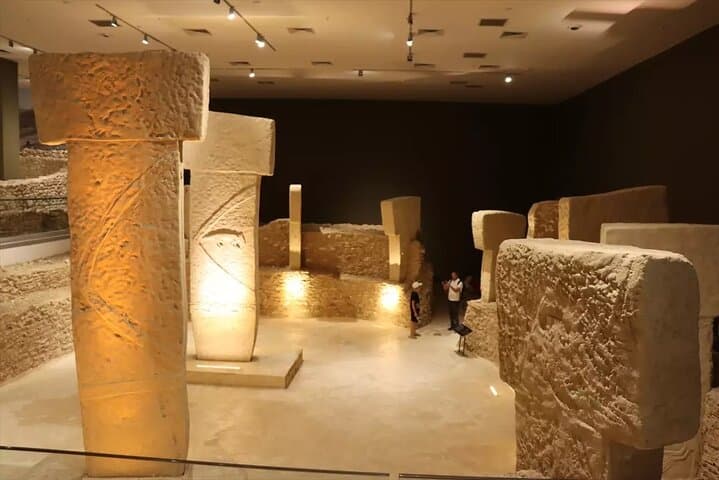
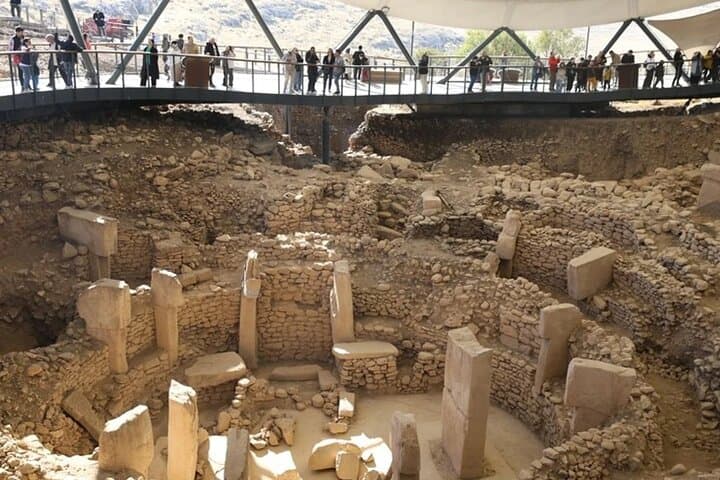
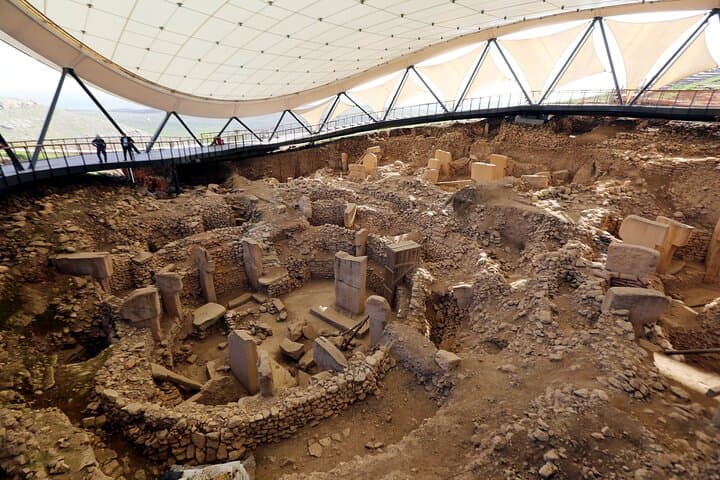
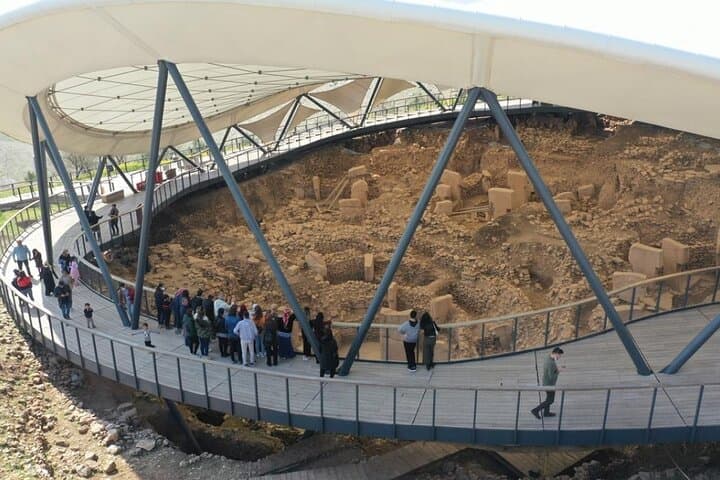
Archaeologists date Göbekli Tepe to the Pre-Pottery Neolithic (roughly 9600–8200 BCE). Its concentric circles of 3–6m T-shaped pillars, many carved with animal reliefs, rewrote assumptions about the origins of settled life. Nearby Karahan Tepe, about 46 km east, is its lesser-known sibling: a scatter of stelae and carved obelisks that extend the same Neolithic story across the Taş Tepeler plateau. Between sites, Şanlıurfa’s museum gathers fragile finds and contextualizes a landscape once home to early symbolic life. Local culture is a living layer — Haliliye’s bazaars, beehive houses at Harran and pistachio coffee in historic hans give texture to the trip.
Practical guide: the itinerary runs over two days with internal flights between Istanbul and Şanlıurfa, one boutique-night stay in a restored stone konak, and guided walks on compacted dirt and uneven archaeological terraces. Expect short climbs, loose stones, and exposed sun; bring a daypack, sun protection and comfortable walking shoes. Timing matters: morning and late-afternoon visits beat the heat and the busier coach tours. The package is private and customizable — suitable for travelers who want a focused, off-the-beaten-path encounter with humanity’s earliest monumental architecture.
moderate.
2 days (1 night).
Light to moderate walking ability; able to handle uneven archaeological terraces and short uphill sections.
Yes — domestic flights require valid ID and the tour operator collects passport details for booking and airport transfers.
Expect multiple short walks at each site, typically 30–120 minutes on uneven ground; minimal sustained hiking but moderate mobility is recommended.
The itinerary indicates admissions to Göbekli Tepe, Şanlıurfa Museum and Karahan Tepe are included; confirm on booking for any museum exhibits with extra fees.
The operator lists the tour as physically easy and stroller accessible in parts, but archaeological terrain includes steps and uneven areas that may limit full accessibility.
Göbekli Tepe dates to the Pre-Pottery Neolithic and challenged the idea that agriculture preceded monumental ritual; its stone circles are among the oldest known ritual sites on Earth.
Göbekli Tepe is a UNESCO World Heritage Site (inscribed 2018) with managed visitor routes; stick to paths and avoid touching exposed carvings to help preserve fragile stonework.
SELİM BAKIR TURİZM operates guided outdoor trips and adventures with an emphasis on safety, stewardship, and memorable experiences.
You step out of the air-conditioned van into wind-swept Anatolian scrub and the earth seems to hold its breath. Flat, pale hills rise in short folds; the skyline is punctuated not by trees but by rows of carved T-pillars that look like frozen people watching the horizon. This is Göbekli Tepe — a place where ritual predates farming and stones still hum with ancient labor.
You step out of the air-conditioned van into wind-swept Anatolian scrub and the earth seems to hold its breath. Flat, pale hills rise in short folds; the skyline is punctuated not by trees but by rows of carved T-pillars that look like frozen people watching the horizon. This is Göbekli Tepe — a place where ritual predates farming and stones still hum with ancient labor.
Archaeologists date Göbekli Tepe to the Pre-Pottery Neolithic (roughly 9600–8200 BCE). Its concentric circles of 3–6m T-shaped pillars, many carved with animal reliefs, rewrote assumptions about the origins of settled life. Nearby Karahan Tepe, about 46 km east, is its lesser-known sibling: a scatter of stelae and carved obelisks that extend the same Neolithic story across the Taş Tepeler plateau. Between sites, Şanlıurfa’s museum gathers fragile finds and contextualizes a landscape once home to early symbolic life. Local culture is a living layer — Haliliye’s bazaars, beehive houses at Harran and pistachio coffee in historic hans give texture to the trip.
Practical guide: the itinerary runs over two days with internal flights between Istanbul and Şanlıurfa, one boutique-night stay in a restored stone konak, and guided walks on compacted dirt and uneven archaeological terraces. Expect short climbs, loose stones, and exposed sun; bring a daypack, sun protection and comfortable walking shoes. Timing matters: morning and late-afternoon visits beat the heat and the busier coach tours. The package is private and customizable — suitable for travelers who want a focused, off-the-beaten-path encounter with humanity’s earliest monumental architecture.