THE ADVENTURE COLLECTIVE® · Independent discovery and booking for outdoor travel

Combine a walking tour through Stone Town’s historic alleys with a short boat ride to Prison Island to meet century-old Aldabra tortoises and explore colonial ruins. This flexible half-day excursion mixes culture, wildlife and waterfront calm.
Combine a walking tour through Stone Town’s historic alleys with a short boat ride to Prison Island to meet century-old Aldabra tortoises and explore colonial ruins. This flexible half-day excursion mixes culture, wildlife and waterfront calm.
You step out of Stone Town's narrow alleys into the heat and salt air; the dhow-lined waterfront glints and the bay seems to tug you toward the boat that will cross to Changuu—Prison Island. The sea has a low, steady voice that pushes the small local ferry forward, and after a thirty-minute ride the island opens up: sunlit ruins, a scattering of palms, and the slow, patient shuffle of giant Aldabra tortoises.
Verified experiences and guided adventures in the surrounding area.
Operated by Mudikei Zanzibar Tour Guide · Stone Town, Zanzibar
You step out of Stone Town's narrow alleys into the heat and salt air; the dhow-lined waterfront glints and the bay seems to tug you toward the boat that will cross to Changuu—Prison Island. The sea has a low, steady voice that pushes the small local ferry forward, and after a thirty-minute ride the island opens up: sunlit ruins, a scattering of palms, and the slow, patient shuffle of giant Aldabra tortoises.
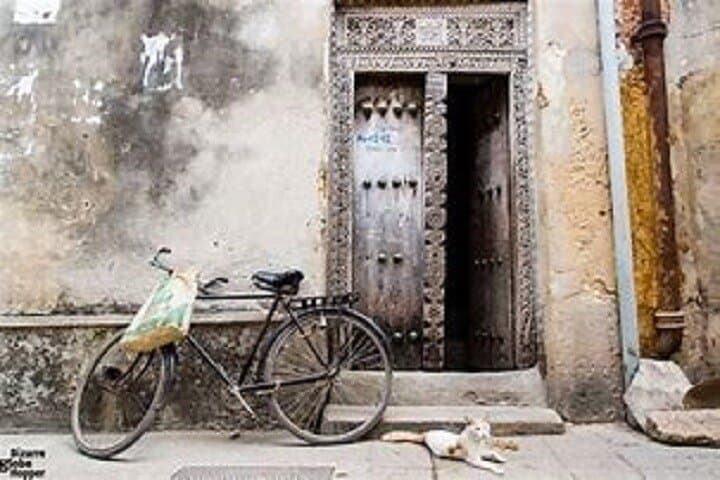
Stone Town itself is a living archive. Timber-carved doors, the former slave market site and the Arab-era Sultan’s mansions mark layers of Swahili, Arab, Persian and European influence. The coral rag that built much of the old town gives buildings their warm, pitted texture; it’s a geology of lives lived close to the sea. Your guide will trace routes through markets where seafood, spices and fresh bread dominate daily trade—these streets show how modern Zanzibar moves through historic space.
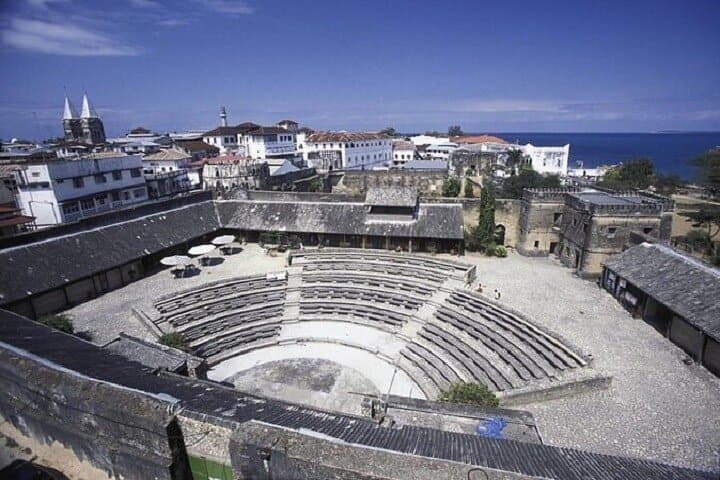
Prison Island’s ruined quarantine buildings and shaded tortoise sanctuary offer contrast: a slow, animal-paced interlude after city walking. Expect photo stops, brief interpretation of the island’s colonial history, and a relaxed stroll around the shoreline.
Practical notes: meet at Forodhani Park near the pavilion; the tour is about four hours total. Wear sturdy walking shoes for cobblestone lanes, bring sun protection and local currency for small purchases. If you prefer cooler light for photos, schedule the city walk early morning and the island transfer mid-morning. Guides are local and adapt the route for families, seniors and curious shoppers.
easy.
4 hours.
Suitable for most fitness levels—requires comfortable walking on uneven cobbles and short boat transfers.
The local boat crossing from Stone Town to Prison Island takes about 25–35 minutes depending on sea conditions.
Facilities are basic; there is limited shade and usually a small vendor or two—best to bring water and snacks from Stone Town if needed.
Yes; the operator lists the trip as suitable for all fitness levels, but note the cobbled streets and boat transfer—ask for a gentler pace if needed.
Yes, the bazaar and surrounding streets offer textiles, spices and carved doors—bargaining is common and many vendors accept cash only.
Stone Town was a major Swahili trading hub influenced by Omani sultans, Arab traders and later European colonial powers; the island’s quarantine and prison structures reflect colonial-era health and control measures.
Tortoise care is managed locally; visitors should avoid feeding and follow guide instructions to limit stress on animals and prevent damage to sensitive island vegetation.
Mudikei Zanzibar Tour Guide operates guided outdoor trips and adventures with an emphasis on safety, stewardship, and memorable experiences.
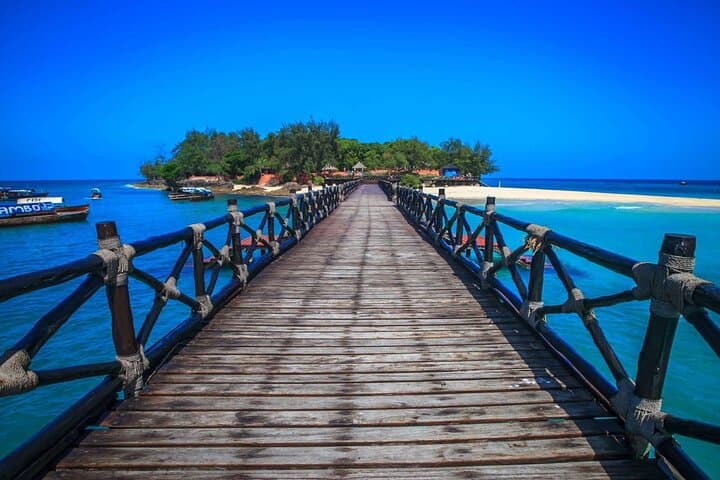

You step out of Stone Town's narrow alleys into the heat and salt air; the dhow-lined waterfront glints and the bay seems to tug you toward the boat that will cross to Changuu—Prison Island. The sea has a low, steady voice that pushes the small local ferry forward, and after a thirty-minute ride the island opens up: sunlit ruins, a scattering of palms, and the slow, patient shuffle of giant Aldabra tortoises.
You step out of Stone Town's narrow alleys into the heat and salt air; the dhow-lined waterfront glints and the bay seems to tug you toward the boat that will cross to Changuu—Prison Island. The sea has a low, steady voice that pushes the small local ferry forward, and after a thirty-minute ride the island opens up: sunlit ruins, a scattering of palms, and the slow, patient shuffle of giant Aldabra tortoises.
Stone Town itself is a living archive. Timber-carved doors, the former slave market site and the Arab-era Sultan’s mansions mark layers of Swahili, Arab, Persian and European influence. The coral rag that built much of the old town gives buildings their warm, pitted texture; it’s a geology of lives lived close to the sea. Your guide will trace routes through markets where seafood, spices and fresh bread dominate daily trade—these streets show how modern Zanzibar moves through historic space.
Prison Island’s ruined quarantine buildings and shaded tortoise sanctuary offer contrast: a slow, animal-paced interlude after city walking. Expect photo stops, brief interpretation of the island’s colonial history, and a relaxed stroll around the shoreline.
Practical notes: meet at Forodhani Park near the pavilion; the tour is about four hours total. Wear sturdy walking shoes for cobblestone lanes, bring sun protection and local currency for small purchases. If you prefer cooler light for photos, schedule the city walk early morning and the island transfer mid-morning. Guides are local and adapt the route for families, seniors and curious shoppers.