THE ADVENTURE COLLECTIVE® · Independent discovery and booking for outdoor travel

A compact day that pairs a short boat ride to Prison Island’s giant tortoises with a guided walk through Stone Town’s UNESCO streets — history, snorkeling and spice-market life in one outing.
A compact day that pairs a short boat ride to Prison Island’s giant tortoises with a guided walk through Stone Town’s UNESCO streets — history, snorkeling and spice-market life in one outing.
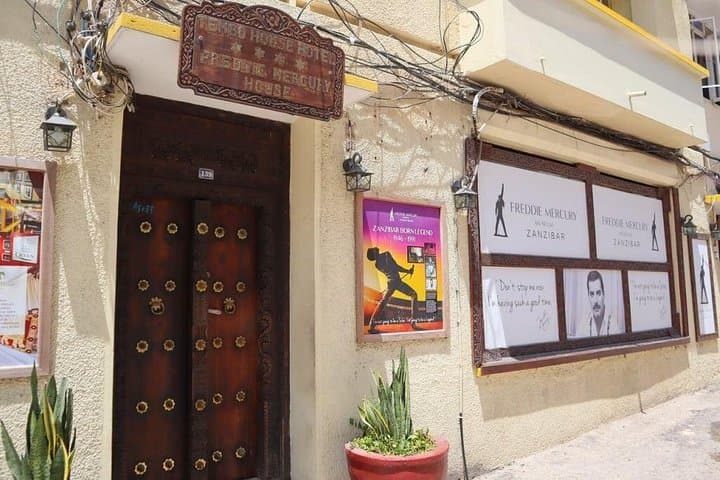
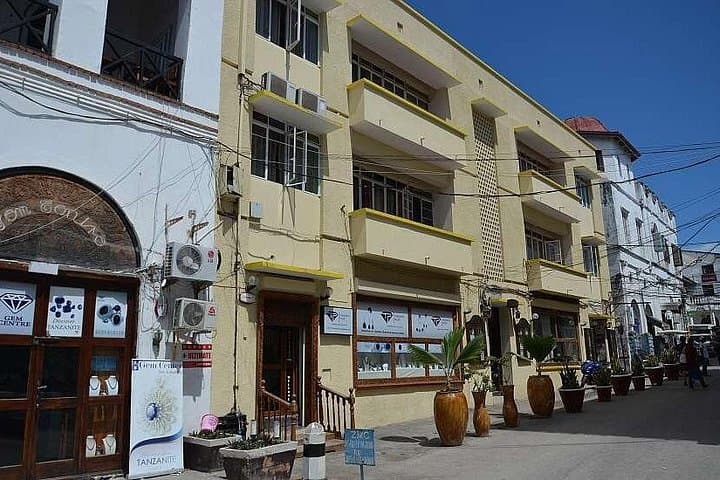
You step off a short dhow into a pale, coral-sand bay; the sea tugs at your ankles and the island’s slow residents — Aldabra tortoises — amble beneath scruffy casuarina trees. The day moves between blue water and honey-colored stone: a half-hour boat hop to Changuu (Prison Island) and a walk back through the winding alleys of Stone Town, where carved doors and spice-scented stalls keep time with dhow bells.
Verified experiences and guided adventures in the surrounding area.
Operated by Explore Zanzibar local tour guides · Stone Town, Zanzibar
You step off a short dhow into a pale, coral-sand bay; the sea tugs at your ankles and the island’s slow residents — Aldabra tortoises — amble beneath scruffy casuarina trees. The day moves between blue water and honey-colored stone: a half-hour boat hop to Changuu (Prison Island) and a walk back through the winding alleys of Stone Town, where carved doors and spice-scented stalls keep time with dhow bells.
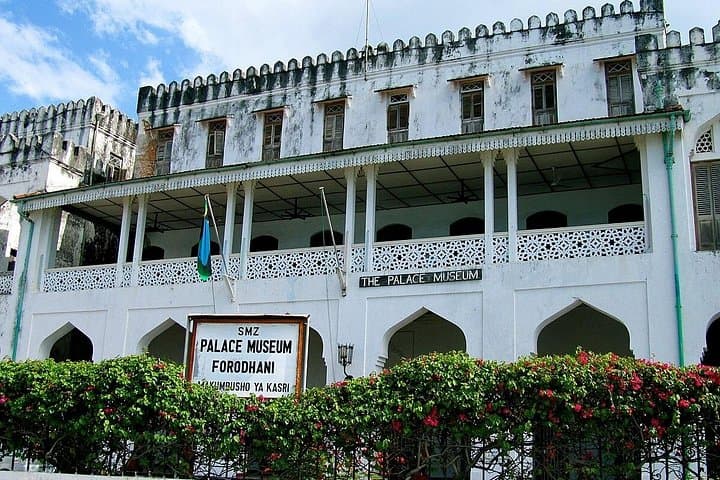
Prison Island carries layered histories: once a quarantine station, later a failed prison, now a quiet tortoise sanctuary whose coral limestone ruins still hold the outline of colonial plans. Stone Town is the living archive — Swahili merchants, Omani sultans, Indian traders and European cliques left stamped facades, the Anglican Cathedral that marks the old slave market, and the House of Wonders with its breezy verandas.
Geology and ecology are visible at all scales: coral rag foundations, mangrove fringes, and reef flats rich with parrotfish and fragile corals that demand respectful snorkeling. The culture is practical and tactile — haggled spices, street-food at Forodhani Gardens, and friendly guides who read the alleys like maps.
Practicalities: tours run 2–8 hours; carry cash for small entrance fees and food, wear reef shoes for rocky swim entries, and bring reef-safe sunscreen and plenty of water. Morning departures are cooler and better for snorkeling; avoid travel in heavy rains (Mar–May). The trip mixes easy walking, light swimming and boat transfers — ideal for travelers ready for moderate activity and close-up wildlife encounters.
moderate.
2–8 hours.
Moderate fitness; able to do short swims, climb stairs and walk uneven alleys.
Tours vary from about 2 to 8 hours depending on whether you include extended time in Stone Town or additional snorkeling stops.
Entrance fees for Prison Island and key attractions are listed as included, but bring cash for optional purchases and local vendors.
Yes — snorkeling is generally in shallow reef flats; basic swimming ability is recommended and water shoes help with entries.
Pick-up from Stone Town hotels is offered if requested in advance; confirm pickup details when booking.
Stone Town developed as a Swahili trading hub under Omani rule and was a major node in the Indian Ocean slave and spice trades; the Anglican Cathedral sits near the old slave market site.
Visitors should favor reef-safe products, avoid touching coral or tortoises, and support local guides and reef-protection initiatives to reduce tourism impacts.
Explore Zanzibar local tour guides operates guided outdoor trips and adventures with an emphasis on safety, stewardship, and memorable experiences.

You step off a short dhow into a pale, coral-sand bay; the sea tugs at your ankles and the island’s slow residents — Aldabra tortoises — amble beneath scruffy casuarina trees. The day moves between blue water and honey-colored stone: a half-hour boat hop to Changuu (Prison Island) and a walk back through the winding alleys of Stone Town, where carved doors and spice-scented stalls keep time with dhow bells.
You step off a short dhow into a pale, coral-sand bay; the sea tugs at your ankles and the island’s slow residents — Aldabra tortoises — amble beneath scruffy casuarina trees. The day moves between blue water and honey-colored stone: a half-hour boat hop to Changuu (Prison Island) and a walk back through the winding alleys of Stone Town, where carved doors and spice-scented stalls keep time with dhow bells.
Prison Island carries layered histories: once a quarantine station, later a failed prison, now a quiet tortoise sanctuary whose coral limestone ruins still hold the outline of colonial plans. Stone Town is the living archive — Swahili merchants, Omani sultans, Indian traders and European cliques left stamped facades, the Anglican Cathedral that marks the old slave market, and the House of Wonders with its breezy verandas.
Geology and ecology are visible at all scales: coral rag foundations, mangrove fringes, and reef flats rich with parrotfish and fragile corals that demand respectful snorkeling. The culture is practical and tactile — haggled spices, street-food at Forodhani Gardens, and friendly guides who read the alleys like maps.
Practicalities: tours run 2–8 hours; carry cash for small entrance fees and food, wear reef shoes for rocky swim entries, and bring reef-safe sunscreen and plenty of water. Morning departures are cooler and better for snorkeling; avoid travel in heavy rains (Mar–May). The trip mixes easy walking, light swimming and boat transfers — ideal for travelers ready for moderate activity and close-up wildlife encounters.