THE ADVENTURE COLLECTIVE® · Independent discovery and booking for outdoor travel

Spend a morning snorkeling reefs and feeding century-old tortoises, then wander Stone Town’s narrow alleys and colonial-era architecture. This half-day combo tour blends marine life, Swahili history and a seaside lunch.
Spend a morning snorkeling reefs and feeding century-old tortoises, then wander Stone Town’s narrow alleys and colonial-era architecture. This half-day combo tour blends marine life, Swahili history and a seaside lunch.
A dhow slips out from the Old Fort at dawn, the harbor glassy and full of gulls. In an hour the silhouette of Prison Island (Changuu) rises from the horizon: low, scrubby, ringed by pale sand and coral reef. On land, century-old Aldabra tortoises move with surprising deliberation while reef fish flash around the anchored boats.
Verified experiences and guided adventures in the surrounding area.
Operated by Zanzibar Local Experience · Stone Town, Zanzibar
A dhow slips out from the Old Fort at dawn, the harbor glassy and full of gulls. In an hour the silhouette of Prison Island (Changuu) rises from the horizon: low, scrubby, ringed by pale sand and coral reef. On land, century-old Aldabra tortoises move with surprising deliberation while reef fish flash around the anchored boats.
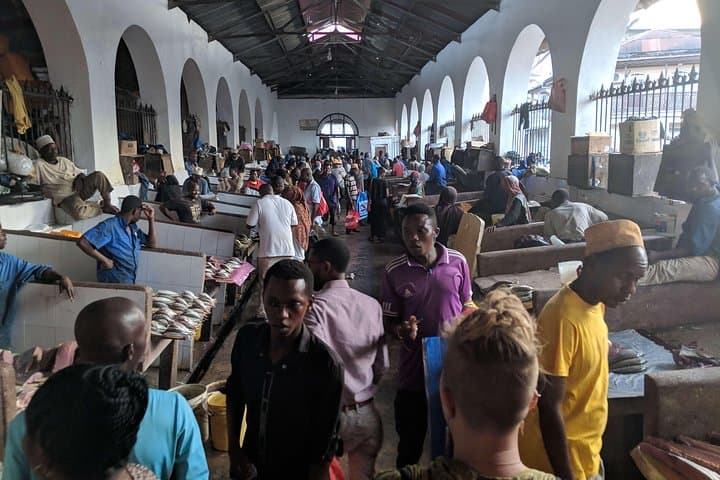
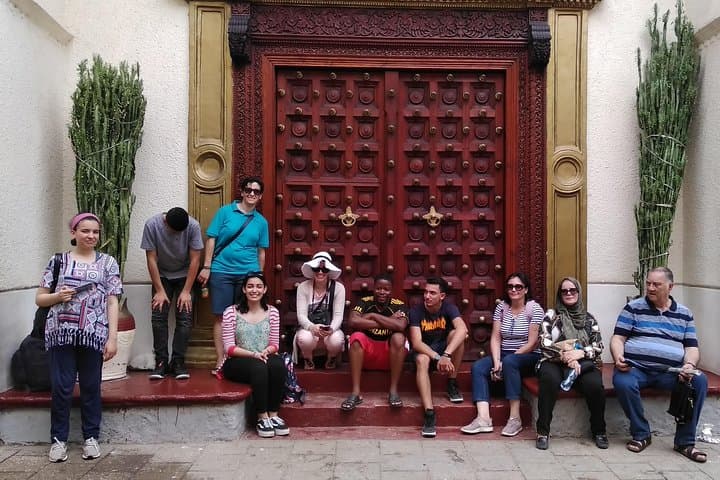
The day pairs two clear faces of Zanzibar — the open ocean and a living, layered city. Prison Island was bought in 1893 by Lloyd Mathews and used as a quarantine station; its ruins and mangled stone tell a direct, human story. Back in Stone Town the streets narrow and the air is heavy with clove and roasted plantain. The town’s 19th-century stone buildings show Arab, Persian, Indian and European influences; the House of Wonders and Freddie Mercury’s childhood home are quick studies in colonial-era global trade and local Swahili culture.
Geologically this coast is reef and sand: shallow lagoons give way to fringing coral that supports excellent snorkeling. Expect a short boat ride (roughly 20–30 minutes each way), calm shallow swim sites, and a picnic-style lunch on a small sandbank or island shore.
Practical: bring reef-safe sunscreen, a lightweight towel, and water shoes for rocky shore entries. Snorkel equipment is provided but many visitors prefer their own masks for fit. Respect the tortoises — photo and slow movements only — and avoid feeding anything not approved by guides. Morning departures dodge afternoon winds and often yield the clearest water. This tour is low-impact and suitable for most fitness levels, making it a compact, sensory introduction to Zanzibar’s sea and stone.
easy.
6 hours.
Suitable for most fitness levels — involves short boat transfers, light walking on flat terrain and easy snorkel swims
The boat transfer from Stone Town is short — generally 20–30 minutes each way depending on sea conditions.
Yes, snorkeling equipment is included, but many travelers bring their own mask for a better fit.
Guides usually manage feeding; follow instructions to avoid giving inappropriate foods and to protect the animals.
Yes — the activity is low-impact and suitable for families, though young children should be supervised during swimming and around wildlife.
Prison Island was bought in 1893 by Lloyd Mathews and used as a quarantine station rather than a prison; Stone Town grew as a Swahili trading hub shaped by Arab, Persian, Indian and European influences.
Reef health is sensitive to sunscreen and anchor damage — many operators use mooring buoys and encourage reef-safe sun protection to reduce impact.
Zanzibar Local Experience operates guided outdoor trips and adventures with an emphasis on safety, stewardship, and memorable experiences.
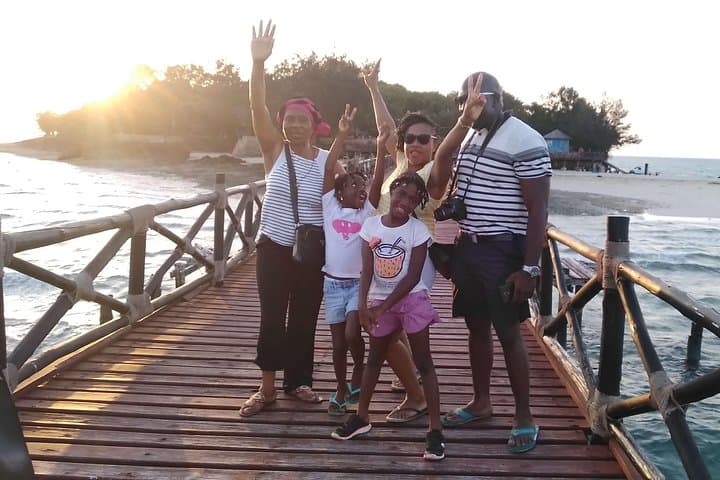
A dhow slips out from the Old Fort at dawn, the harbor glassy and full of gulls. In an hour the silhouette of Prison Island (Changuu) rises from the horizon: low, scrubby, ringed by pale sand and coral reef. On land, century-old Aldabra tortoises move with surprising deliberation while reef fish flash around the anchored boats.
A dhow slips out from the Old Fort at dawn, the harbor glassy and full of gulls. In an hour the silhouette of Prison Island (Changuu) rises from the horizon: low, scrubby, ringed by pale sand and coral reef. On land, century-old Aldabra tortoises move with surprising deliberation while reef fish flash around the anchored boats.
The day pairs two clear faces of Zanzibar — the open ocean and a living, layered city. Prison Island was bought in 1893 by Lloyd Mathews and used as a quarantine station; its ruins and mangled stone tell a direct, human story. Back in Stone Town the streets narrow and the air is heavy with clove and roasted plantain. The town’s 19th-century stone buildings show Arab, Persian, Indian and European influences; the House of Wonders and Freddie Mercury’s childhood home are quick studies in colonial-era global trade and local Swahili culture.
Geologically this coast is reef and sand: shallow lagoons give way to fringing coral that supports excellent snorkeling. Expect a short boat ride (roughly 20–30 minutes each way), calm shallow swim sites, and a picnic-style lunch on a small sandbank or island shore.
Practical: bring reef-safe sunscreen, a lightweight towel, and water shoes for rocky shore entries. Snorkel equipment is provided but many visitors prefer their own masks for fit. Respect the tortoises — photo and slow movements only — and avoid feeding anything not approved by guides. Morning departures dodge afternoon winds and often yield the clearest water. This tour is low-impact and suitable for most fitness levels, making it a compact, sensory introduction to Zanzibar’s sea and stone.