THE ADVENTURE COLLECTIVE® · Independent discovery and booking for outdoor travel

A full-day boat excursion from Stone Town that pairs the colonial ruins and Aldabra giant tortoises of Prison Island with a picnic and swim on Nakupenda’s luminous sandbank. Expect 6–9 hours of boat travel, beach time, and local history with lunch and transfers included.
A full-day boat excursion from Stone Town that pairs the colonial ruins and Aldabra giant tortoises of Prison Island with a picnic and swim on Nakupenda’s luminous sandbank. Expect 6–9 hours of boat travel, beach time, and local history with lunch and transfers included.
You step off the quay as the harbor breathes salt and traffic; the boat rocks gently, as if the Indian Ocean is testing your resolve. In under half an hour the shoreline thins and Prison Island’s low stone silhouette appears, its ruined walls and sun-baked coral rock holding stories of quarantine, a 19th-century penal outpost and the sultan’s shifting trade routes.
Verified experiences and guided adventures in the surrounding area.
Operated by Captain Barnaba Excursions · Stone Town, Zanzibar
You step off the quay as the harbor breathes salt and traffic; the boat rocks gently, as if the Indian Ocean is testing your resolve. In under half an hour the shoreline thins and Prison Island’s low stone silhouette appears, its ruined walls and sun-baked coral rock holding stories of quarantine, a 19th-century penal outpost and the sultan’s shifting trade routes.
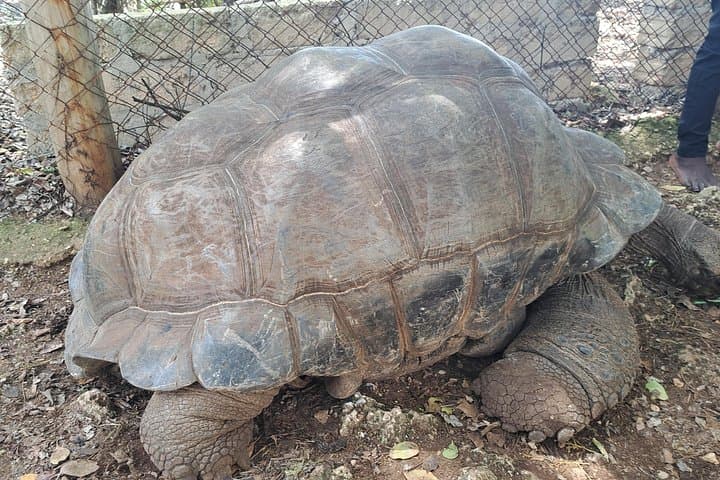
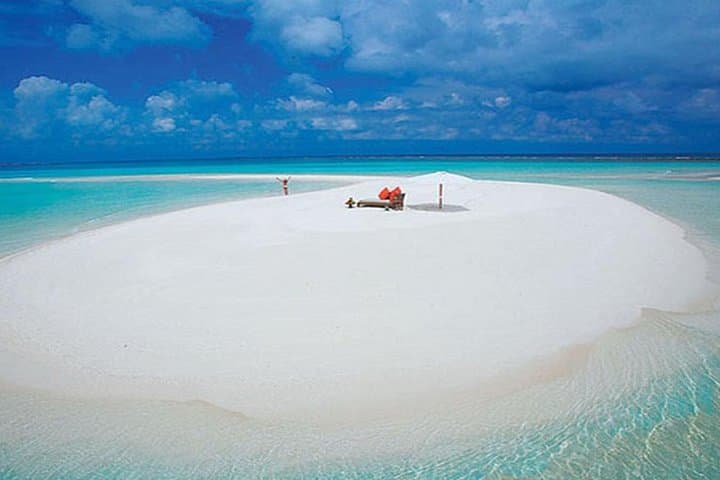
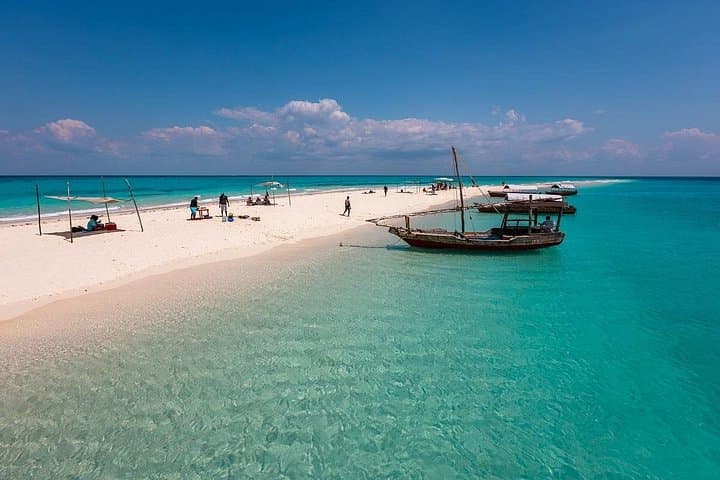
The island’s claim to fame is immediate: Aldabra giant tortoises lumber through scrub with unhurried authority, offering a rare, tactile connection to wildlife that has been moved and managed here for conservation and tourism. Geologically the region is limestone and coral, exposed in pitted walls and the feathered edges of outcrops; the sandbank at Nakupenda is a living, shifting platform of calcium-white sand, shaped daily by tides that dare you to wade into their crystalline shallows.
Culturally, the trip threads Stone Town’s Swahili heritage and seafaring past with present-day village life — local guides translate history and point out fishing techniques and nearby mangrove fingerlines.
Practical guidance: meet at Tembo House Hotel before 09:45 for a 25-minute boat crossing, plan 6–9 hours total, and expect easy walking on sand and steps on small boats. Bring reef-safe sunscreen, a lightweight towel, water shoes, and basic swimming ability; staff provide lunch, bottled water and a return transfer to most north and Stone Town hotels. Mind the tides on the sandbank, respect the tortoises (no feeding), and pack out any trash — the sand disappears with the next high tide if left unprotected.
moderate.
6–9 hours.
Moderate — able to board small boats, walk on soft sand and climb a few steps; basic swimming skills recommended
The meeting point is in front of Tembo House Hotel (near the NBC bank); boarding is typically by 09:45 — confirm exact pickup with the operator.
Children who can swim and handle boat rides are usually welcome; the tour advises against participation for pregnant travelers and those with serious spinal or heart conditions.
Basic restroom facilities are available on the harbour side before boarding; on the sandbank amenities are minimal, so use facilities beforehand.
Yes — some itineraries allow a drop-off or brief shopping stop in Stone Town on the return if requested and time permits.
Prison Island (Changuu) served as a 19th-century quarantine and prison site tied to Zanzibar’s trade and colonial past; many ruins are coral stone reflecting early Swahili architecture.
Tortoise populations are managed for conservation and tourism; visitors should avoid feeding animals and take all litter back to Stone Town to prevent sandbank degradation.
Captain Barnaba Excursions operates guided outdoor trips and adventures with an emphasis on safety, stewardship, and memorable experiences.

You step off the quay as the harbor breathes salt and traffic; the boat rocks gently, as if the Indian Ocean is testing your resolve. In under half an hour the shoreline thins and Prison Island’s low stone silhouette appears, its ruined walls and sun-baked coral rock holding stories of quarantine, a 19th-century penal outpost and the sultan’s shifting trade routes.
You step off the quay as the harbor breathes salt and traffic; the boat rocks gently, as if the Indian Ocean is testing your resolve. In under half an hour the shoreline thins and Prison Island’s low stone silhouette appears, its ruined walls and sun-baked coral rock holding stories of quarantine, a 19th-century penal outpost and the sultan’s shifting trade routes.
The island’s claim to fame is immediate: Aldabra giant tortoises lumber through scrub with unhurried authority, offering a rare, tactile connection to wildlife that has been moved and managed here for conservation and tourism. Geologically the region is limestone and coral, exposed in pitted walls and the feathered edges of outcrops; the sandbank at Nakupenda is a living, shifting platform of calcium-white sand, shaped daily by tides that dare you to wade into their crystalline shallows.
Culturally, the trip threads Stone Town’s Swahili heritage and seafaring past with present-day village life — local guides translate history and point out fishing techniques and nearby mangrove fingerlines.
Practical guidance: meet at Tembo House Hotel before 09:45 for a 25-minute boat crossing, plan 6–9 hours total, and expect easy walking on sand and steps on small boats. Bring reef-safe sunscreen, a lightweight towel, water shoes, and basic swimming ability; staff provide lunch, bottled water and a return transfer to most north and Stone Town hotels. Mind the tides on the sandbank, respect the tortoises (no feeding), and pack out any trash — the sand disappears with the next high tide if left unprotected.