THE ADVENTURE COLLECTIVE® · Independent discovery and booking for outdoor travel

A half-day boat trip from Stone Town that pairs the giant tortoises of Prison Island with the wide sandbar and snorkel-friendly shallows of Nakupenda Beach. Sun, shallow reefs and local boat crews make this an accessible coastal adventure.
A half-day boat trip from Stone Town that pairs the giant tortoises of Prison Island with the wide sandbar and snorkel-friendly shallows of Nakupenda Beach. Sun, shallow reefs and local boat crews make this an accessible coastal adventure.
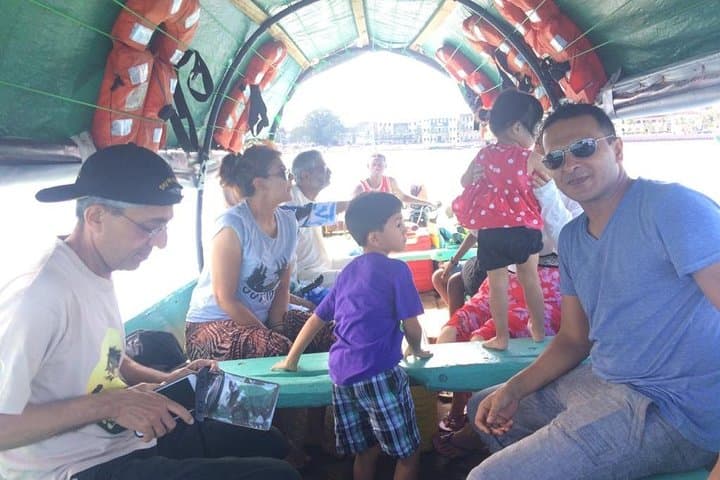
You leave Stone Town's old concrete quay and the sea immediately changes tone — warmer, clearer, and intent on showing you a different rhythm. The boat slips past dhows and faded cargo vessels, the wind pressing your hair back as the city shrinks to a cluster of tin roofs and minarets. Prison Island (Changuu) appears first: a low limestone rim crowned by a grove of hard-leaved trees and the slow, patient forms of Aldabra giant tortoises.
Verified experiences and guided adventures in the surrounding area.
You leave Stone Town's old concrete quay and the sea immediately changes tone — warmer, clearer, and intent on showing you a different rhythm. The boat slips past dhows and faded cargo vessels, the wind pressing your hair back as the city shrinks to a cluster of tin roofs and minarets. Prison Island (Changuu) appears first: a low limestone rim crowned by a grove of hard-leaved trees and the slow, patient forms of Aldabra giant tortoises.
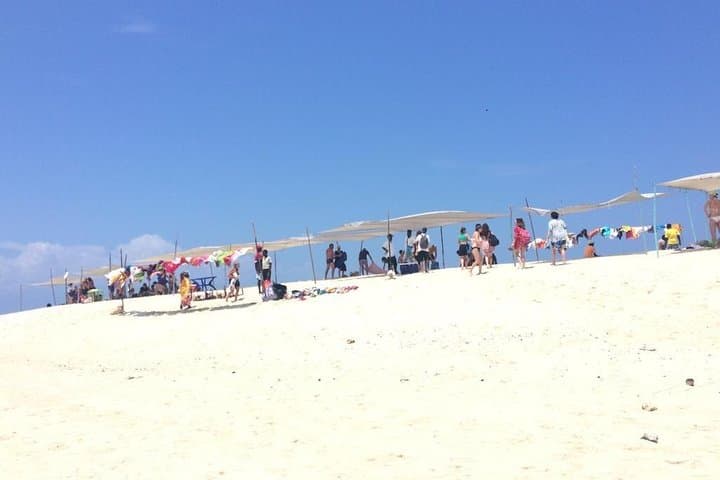
Prison Island was built in the late 19th century as a quarantine station and later used in various colonial projects; its coral limestone is part of the broader coralline geology of Zanzibar, raised by ancient reefs. Nakupenda — a sandbar barely above sea level at low tide — is pure sedimentary choreography: sand, surf, and the reef sculpting shallow pools rich with reef fish.
Culturally the trip is rooted in Stone Town's Swahili maritime life; crews will often be local fishermen or boatmen who know the tides and the best snorkel spots. Expect sun, salt, and the sound of gulls that seem to dare you into the water.
Practical guidance: the tour is mostly easy walking and short swims/snorkels. Bring reef shoes for rocky entry, reef-safe sunscreen, and cash for small vendor snacks or tortoise donations. Check tides: Nakupenda is best at mid-to-low tide when the sandbar spreads wide. If you’re prone to seasickness, take medication beforehand — the channel can be choppy. Respect the tortoise enclosure and avoid standing on coral; local guides enforce conservation rules.
easy.
6–8 hours.
Minimal fitness required — short walks on sand and short swims/snorkels; able to board a small boat.
Most operators run a 6–8 hour excursion including boat transfers, time at Prison Island, and several hours at Nakupenda sandbar.
Yes — shallow snorkeling is common off Nakupenda and around the reef; bring or rent a mask and expect calm water on good days.
Yes — the tortoise enclosure is supervised; visitors should not feed them without staff permission and should avoid loud noises or sudden movements.
Many tours include pickup from central Stone Town hotels or the Old Fort area — confirm pickup point when booking and have local cash for any meeting-point transfers.
Prison Island served as a 19th-century quarantine station and later had structures tied to colonial-era administration; its name reflects past attempts to detain escaped slaves and prisoners.
Tours should avoid touching coral, use reef-safe sunscreen, and support local guides who enforce tortoise welfare and reef protection policies.
You leave Stone Town's old concrete quay and the sea immediately changes tone — warmer, clearer, and intent on showing you a different rhythm. The boat slips past dhows and faded cargo vessels, the wind pressing your hair back as the city shrinks to a cluster of tin roofs and minarets. Prison Island (Changuu) appears first: a low limestone rim crowned by a grove of hard-leaved trees and the slow, patient forms of Aldabra giant tortoises.
You leave Stone Town's old concrete quay and the sea immediately changes tone — warmer, clearer, and intent on showing you a different rhythm. The boat slips past dhows and faded cargo vessels, the wind pressing your hair back as the city shrinks to a cluster of tin roofs and minarets. Prison Island (Changuu) appears first: a low limestone rim crowned by a grove of hard-leaved trees and the slow, patient forms of Aldabra giant tortoises.
Prison Island was built in the late 19th century as a quarantine station and later used in various colonial projects; its coral limestone is part of the broader coralline geology of Zanzibar, raised by ancient reefs. Nakupenda — a sandbar barely above sea level at low tide — is pure sedimentary choreography: sand, surf, and the reef sculpting shallow pools rich with reef fish.
Culturally the trip is rooted in Stone Town's Swahili maritime life; crews will often be local fishermen or boatmen who know the tides and the best snorkel spots. Expect sun, salt, and the sound of gulls that seem to dare you into the water.
Practical guidance: the tour is mostly easy walking and short swims/snorkels. Bring reef shoes for rocky entry, reef-safe sunscreen, and cash for small vendor snacks or tortoise donations. Check tides: Nakupenda is best at mid-to-low tide when the sandbar spreads wide. If you’re prone to seasickness, take medication beforehand — the channel can be choppy. Respect the tortoise enclosure and avoid standing on coral; local guides enforce conservation rules.