THE ADVENTURE COLLECTIVE® · Independent discovery and booking for outdoor travel

A quick boat hop from Stone Town, Prison Island (Changuu) packs giant Aldabra tortoises, colonial-era ruins, and coral snorkeling into a focused half‑day trip. Expect easy walks, bright reefs, and a slice of Zanzibar history.
A quick boat hop from Stone Town, Prison Island (Changuu) packs giant Aldabra tortoises, colonial-era ruins, and coral snorkeling into a focused half‑day trip. Expect easy walks, bright reefs, and a slice of Zanzibar history.
You step off the skiff onto a narrow sand spit and the ocean stretches in every direction—blue that edges into turquoise where coral gardens rise. The boat ride from Stone Town takes about 30 minutes; the harbor fades and an open horizon pushes you toward Changuu, better known as Prison Island.
Verified experiences and guided adventures in the surrounding area.
Operated by Noun Travel · Stone Town, Zanzibar
You step off the skiff onto a narrow sand spit and the ocean stretches in every direction—blue that edges into turquoise where coral gardens rise. The boat ride from Stone Town takes about 30 minutes; the harbor fades and an open horizon pushes you toward Changuu, better known as Prison Island.
The island’s story is blunt and layered: a 19th-century quarantine station and failed prison project left behind coral-stone ruins and low stone walls. Geologically, the island is a raised coral reef—flat, limestone terrain pocked with tidal pools and fringe mangroves where reef fish slip like polished coins. Culturally, it’s a footnote to Zanzibar’s era of sultanates and colonial quarantine policy, now repurposed for conservation and tourism.
On land you’ll meet Aldabra tortoises—some well over a century old—slowly navigating shaded paths. In the shallows, snorkeling reveals hard corals, surgeonfish, and the occasional moray tucked into crevices. Paths are short and mostly level; expect sandy beaches, a handful of steps at ruins, and rocky intertidal areas if you explore the tide line.
Practical edge: this half-day trip suits most fitness levels but plan for sun, salt, and slippery rock. Bring reef‑safe sunscreen, a snorkel mask if you prefer your own, and a light change of clothes for the return. If you’re prone to seasickness, take medication before the 30‑minute crossing. Timing mid-morning or late afternoon avoids the hottest slab of midday and gives better light for photos of both tortoises and reef life.
easy.
4–5 hours.
Suitable for most fitness levels—short flat walks and limited stairs; minimal endurance needed
The crossing is approximately 25–35 minutes each way depending on sea conditions and the launch point.
The tortoises are gentle but large—observe without touching unless supervised; feeding is typically discouraged to protect their health unless organized by staff.
Most half‑day excursions include snorkel equipment, but bringing your own mask can improve fit and comfort.
The island has sandy, uneven paths and some steps; it is generally not wheelchair accessible.
Prison Island (Changuu) was used in the 19th century as a quarantine station and briefly proposed as a prison; the remaining stone structures reflect colonial-era public health measures and trade networks.
Visitors should stick to marked paths, use reef‑safe products, and avoid touching corals; the island balances tourism with ongoing efforts to protect tortoises and nearby reef habitat.
Noun Travel operates guided outdoor trips and adventures with an emphasis on safety, stewardship, and memorable experiences.

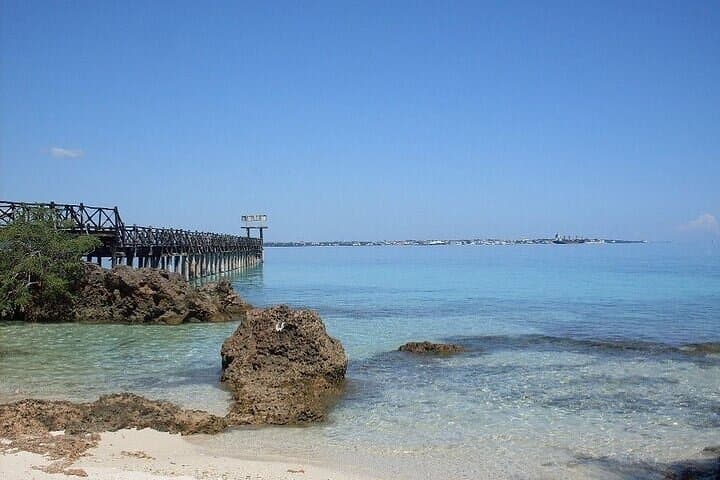
You step off the skiff onto a narrow sand spit and the ocean stretches in every direction—blue that edges into turquoise where coral gardens rise. The boat ride from Stone Town takes about 30 minutes; the harbor fades and an open horizon pushes you toward Changuu, better known as Prison Island.
You step off the skiff onto a narrow sand spit and the ocean stretches in every direction—blue that edges into turquoise where coral gardens rise. The boat ride from Stone Town takes about 30 minutes; the harbor fades and an open horizon pushes you toward Changuu, better known as Prison Island.
The island’s story is blunt and layered: a 19th-century quarantine station and failed prison project left behind coral-stone ruins and low stone walls. Geologically, the island is a raised coral reef—flat, limestone terrain pocked with tidal pools and fringe mangroves where reef fish slip like polished coins. Culturally, it’s a footnote to Zanzibar’s era of sultanates and colonial quarantine policy, now repurposed for conservation and tourism.
On land you’ll meet Aldabra tortoises—some well over a century old—slowly navigating shaded paths. In the shallows, snorkeling reveals hard corals, surgeonfish, and the occasional moray tucked into crevices. Paths are short and mostly level; expect sandy beaches, a handful of steps at ruins, and rocky intertidal areas if you explore the tide line.
Practical edge: this half-day trip suits most fitness levels but plan for sun, salt, and slippery rock. Bring reef‑safe sunscreen, a snorkel mask if you prefer your own, and a light change of clothes for the return. If you’re prone to seasickness, take medication before the 30‑minute crossing. Timing mid-morning or late afternoon avoids the hottest slab of midday and gives better light for photos of both tortoises and reef life.