THE ADVENTURE COLLECTIVE® · Independent discovery and booking for outdoor travel

A short boat ride from Stone Town delivers white sand, fringing reefs, and a surprising wildlife sanctuary. This private half-day tour combines a guided history of Prison Island with free time for snorkeling and meeting giant tortoises.
A short boat ride from Stone Town delivers white sand, fringing reefs, and a surprising wildlife sanctuary. This private half-day tour combines a guided history of Prison Island with free time for snorkeling and meeting giant tortoises.
A short boat ride out of Forodhani beach puts you into a different rhythm: gulls wheel, the shoreline of Stone Town shrinks, and Changuu — commonly called Prison Island — rises as a low-lying coral outcrop fringed by white sand.
Verified experiences and guided adventures in the surrounding area.
Operated by Lemon Tours and Safaris Zanzibar · Stone Town, Zanzibar
A short boat ride out of Forodhani beach puts you into a different rhythm: gulls wheel, the shoreline of Stone Town shrinks, and Changuu — commonly called Prison Island — rises as a low-lying coral outcrop fringed by white sand.
The island’s compact footprint holds layered history: a 19th-century quarantine and coral-mining outpost, a penal site for rebellious slaves in the 1860s, and today a protected sanctuary for introduced Aldabra giant tortoises. Geologically, the island is a coral limestone platform; under the shallows, fringing reefs form narrow snorkeling channels. Culturally, visits connect directly to Stone Town’s Swahili, Omani, and colonial past — your guide will point out architectural details and explain how the island functioned within regional trade and health networks.
Practical notes are straightforward. Most private tours run 2–4 hours and include round-trip boat transfer from Stone Town. Expect firm, uneven paths on the island and a short climb up to the old prison building for views. There’s free time for swimming, snorkeling, or watching the tortoises; feeding them is common but usually paid locally. Facilities are basic — bring water, reef-safe sunscreen, and cash for small purchases.
Timing matters: mornings deliver calmer seas and clearer snorkel visibility; afternoons can be windier. Accessibility is good compared with many islands — boats and docks accommodate most travelers, but plan ahead if mobility needs are significant. With a little preparation, the visit balances light adventure, wildlife viewing, and a compact dose of Zanzibar history.
easy.
2–4 hours.
Light walking on uneven surfaces and short boat transfers; suitable for most fitness levels
The crossing from Forodhani/Stone Town typically takes 15–30 minutes depending on boat and sea conditions.
Yes — feeding is offered on-site for a small fee; follow keeper guidelines to avoid overfeeding and to protect the animals.
The island is more accessible than many remote islets, but there are uneven paths and low docks—notify the operator ahead to arrange assistance or suitable boarding.
Life jackets are included per the tour listing; snorkel gear may be rentable but bringing your own mask ensures fit and comfort.
Prison Island served as a quarantine station and, earlier in the 1860s, as a holding site tied to regional slave trade and coral-mining operations—structures on the island reflect those functions.
The tortoise sanctuary is maintained to protect aging Aldabra tortoises and relies on visitor fees and regulated feeding; visitors should avoid disturbing nesting or reef life and use reef-safe products.
Lemon Tours and Safaris Zanzibar operates guided outdoor trips and adventures with an emphasis on safety, stewardship, and memorable experiences.

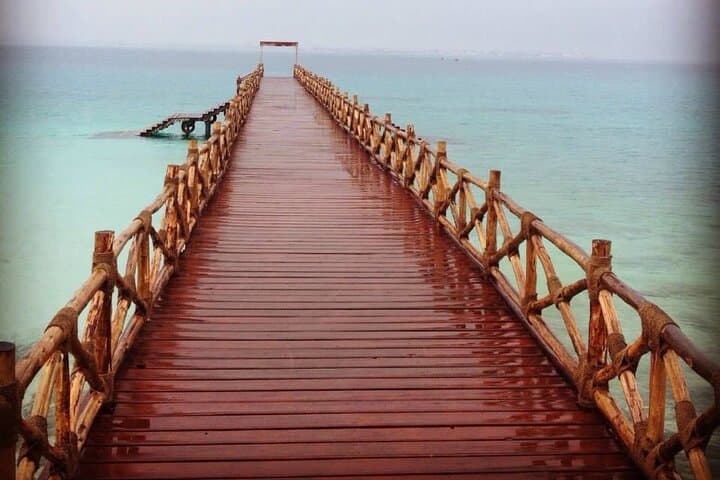
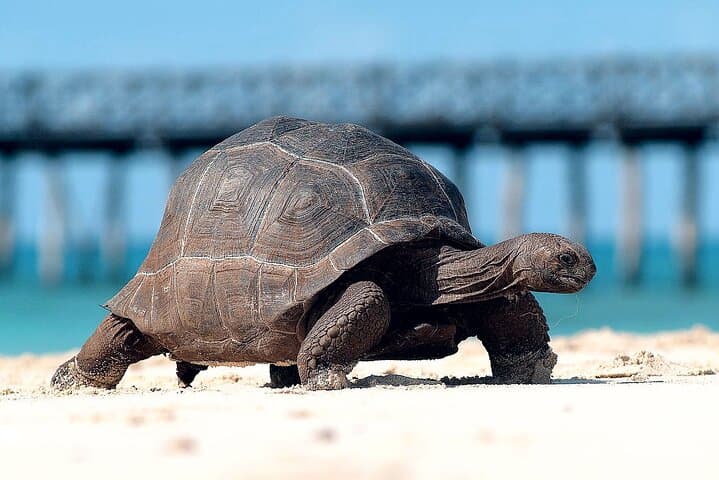

A short boat ride out of Forodhani beach puts you into a different rhythm: gulls wheel, the shoreline of Stone Town shrinks, and Changuu — commonly called Prison Island — rises as a low-lying coral outcrop fringed by white sand.
A short boat ride out of Forodhani beach puts you into a different rhythm: gulls wheel, the shoreline of Stone Town shrinks, and Changuu — commonly called Prison Island — rises as a low-lying coral outcrop fringed by white sand.
The island’s compact footprint holds layered history: a 19th-century quarantine and coral-mining outpost, a penal site for rebellious slaves in the 1860s, and today a protected sanctuary for introduced Aldabra giant tortoises. Geologically, the island is a coral limestone platform; under the shallows, fringing reefs form narrow snorkeling channels. Culturally, visits connect directly to Stone Town’s Swahili, Omani, and colonial past — your guide will point out architectural details and explain how the island functioned within regional trade and health networks.
Practical notes are straightforward. Most private tours run 2–4 hours and include round-trip boat transfer from Stone Town. Expect firm, uneven paths on the island and a short climb up to the old prison building for views. There’s free time for swimming, snorkeling, or watching the tortoises; feeding them is common but usually paid locally. Facilities are basic — bring water, reef-safe sunscreen, and cash for small purchases.
Timing matters: mornings deliver calmer seas and clearer snorkel visibility; afternoons can be windier. Accessibility is good compared with many islands — boats and docks accommodate most travelers, but plan ahead if mobility needs are significant. With a little preparation, the visit balances light adventure, wildlife viewing, and a compact dose of Zanzibar history.