THE ADVENTURE COLLECTIVE® · Independent discovery and booking for outdoor travel

Head out from Mala Boat Ramp for a focused two-hour whale watch in Maui’s prime season. Small-group viewing, onboard hydrophone listening, and guaranteed sightings make this a compact, photographer-friendly ocean encounter.
Head out from Mala Boat Ramp for a focused two-hour whale watch in Maui’s prime season. Small-group viewing, onboard hydrophone listening, and guaranteed sightings make this a compact, photographer-friendly ocean encounter.
The boat slips away from Mala Boat Ramp and the West Maui mountains fall into the distance—salt air cools the skin, and the ocean opens like an invitation. On this two-hour run from Lahaina, the captain eases into the humpbacks’ breeding grounds where blows and tail slaps punctuate the horizon. The vessel’s 360-degree deck gives photographers room to move; a hydrophone brings whale song into the cabin so every submerged note is audible.
Verified experiences and guided adventures in the surrounding area.
Operated by Maui Ocean Adventures · Lahaina, HI
The boat slips away from Mala Boat Ramp and the West Maui mountains fall into the distance—salt air cools the skin, and the ocean opens like an invitation. On this two-hour run from Lahaina, the captain eases into the humpbacks’ breeding grounds where blows and tail slaps punctuate the horizon. The vessel’s 360-degree deck gives photographers room to move; a hydrophone brings whale song into the cabin so every submerged note is audible.
This stretch of ocean is part of the Hawaiian Islands Humpback Whale National Marine Sanctuary. Humpbacks have used Maui’s warm winter waters for generations to breed and sing, while Lahaina itself carries a whaling-era past as a 19th-century port. Geologically, the surrounding islands—Moloka‘i, Lāna‘i, Kahoʻolawe and Haleakalā—are volcanic ridges that frame the encounter, their slopes channeling currents where food and whales concentrate. Locals often blend cultural storytelling with natural history onboard, giving context to the animals and the place.
Practically, guests should arrive early at Mala Boat Ramp (walk from Front Street or take a short rideshare). Expect up to two hours on open deck; crew briefings cover marine sanctuary rules and safety. Wear layered clothing and bring sun protection and a camera with a telephoto lens if you want close shots. Hydrophone listening and a small-group setup make this a good option for families and photographers seeking intimate viewing without large crowds. Seas can be choppy—take motion-sickness precautions if needed. Plan for a two-hour window, keep cameras ready, and let the ocean do the rest.
moderate.
2 hours.
Moderate fitness for boarding, brief stair access, and standing during viewing; suitable for most healthy travelers.
The operator advertises guaranteed sightings during peak season; policies vary—check the booking terms for rebooking or refund options if no whales are seen.
Meet at Mala Boat Ramp on Front Street in Lahaina; avoid parking in the ramp lot and allow time for a short walk from nearby lots or rideshare drop-offs.
Yes—small-group vessels are family friendly, but children should be supervised and wear life jackets when required by crew.
Yes—the boat’s hydrophone transmits whale vocalizations, letting passengers hear songs and calls during quieter encounters.
Lahaina evolved from a 19th-century whaling port to a modern tourist hub; the waters offshore have long been central to Hawaiian subsistence and navigation.
The area is part of a designated marine sanctuary—follow vessel distance rules, avoid attempting to approach animals, and support operators who prioritize low-impact viewing.
Maui Ocean Adventures operates guided outdoor trips and adventures with an emphasis on safety, stewardship, and memorable experiences.
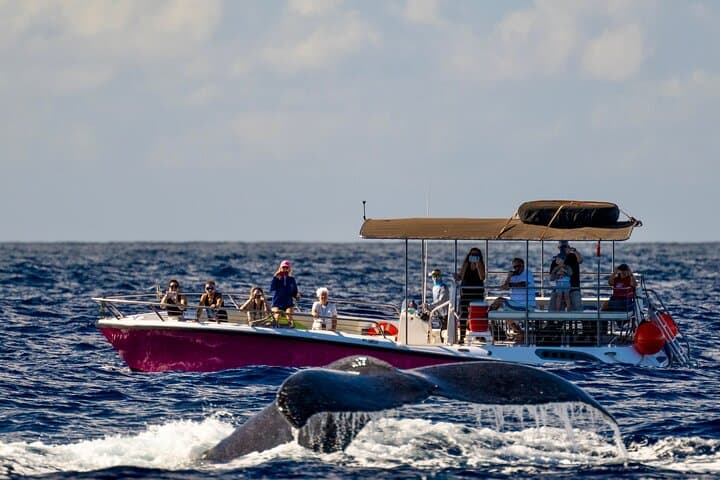
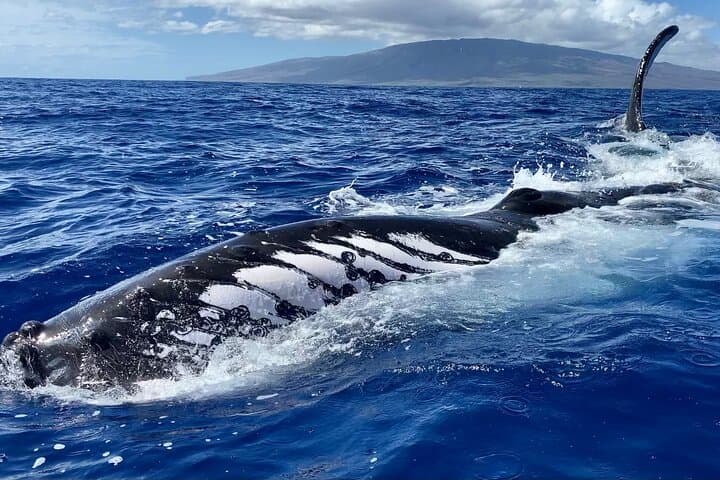
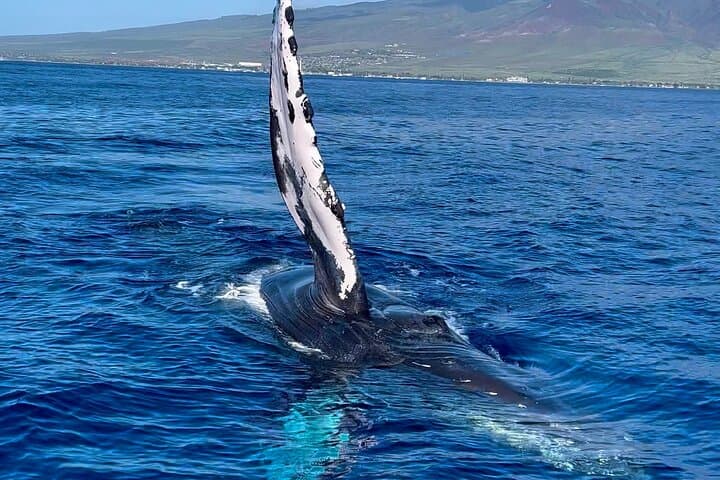
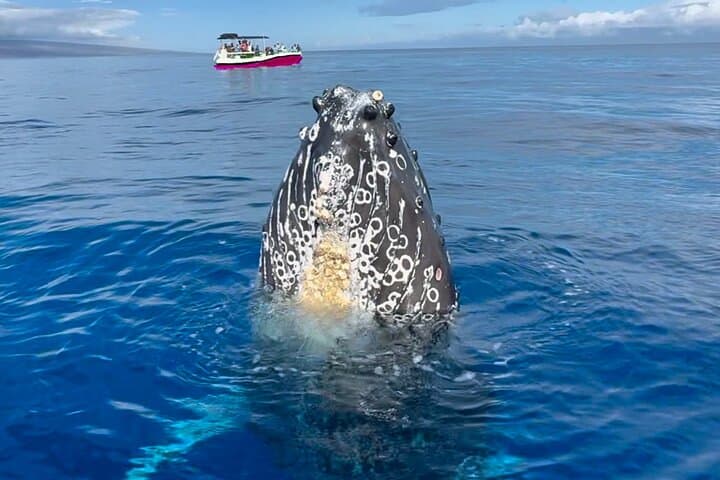
The boat slips away from Mala Boat Ramp and the West Maui mountains fall into the distance—salt air cools the skin, and the ocean opens like an invitation. On this two-hour run from Lahaina, the captain eases into the humpbacks’ breeding grounds where blows and tail slaps punctuate the horizon. The vessel’s 360-degree deck gives photographers room to move; a hydrophone brings whale song into the cabin so every submerged note is audible.
The boat slips away from Mala Boat Ramp and the West Maui mountains fall into the distance—salt air cools the skin, and the ocean opens like an invitation. On this two-hour run from Lahaina, the captain eases into the humpbacks’ breeding grounds where blows and tail slaps punctuate the horizon. The vessel’s 360-degree deck gives photographers room to move; a hydrophone brings whale song into the cabin so every submerged note is audible.
This stretch of ocean is part of the Hawaiian Islands Humpback Whale National Marine Sanctuary. Humpbacks have used Maui’s warm winter waters for generations to breed and sing, while Lahaina itself carries a whaling-era past as a 19th-century port. Geologically, the surrounding islands—Moloka‘i, Lāna‘i, Kahoʻolawe and Haleakalā—are volcanic ridges that frame the encounter, their slopes channeling currents where food and whales concentrate. Locals often blend cultural storytelling with natural history onboard, giving context to the animals and the place.
Practically, guests should arrive early at Mala Boat Ramp (walk from Front Street or take a short rideshare). Expect up to two hours on open deck; crew briefings cover marine sanctuary rules and safety. Wear layered clothing and bring sun protection and a camera with a telephoto lens if you want close shots. Hydrophone listening and a small-group setup make this a good option for families and photographers seeking intimate viewing without large crowds. Seas can be choppy—take motion-sickness precautions if needed. Plan for a two-hour window, keep cameras ready, and let the ocean do the rest.