THE ADVENTURE COLLECTIVE® · Independent discovery and booking for outdoor travel

A long, light-driven day trip from Las Vegas to Page, Arizona: prime-time access to Lower Antelope Canyon’s slot-lit walls, a rim hike to Horseshoe Bend, and views of Glen Canyon Dam and Lake Powell. This tour bundles entrance fees, lunch, and a local Navajo guide into a 13‑hour experience.
A long, light-driven day trip from Las Vegas to Page, Arizona: prime-time access to Lower Antelope Canyon’s slot-lit walls, a rim hike to Horseshoe Bend, and views of Glen Canyon Dam and Lake Powell. This tour bundles entrance fees, lunch, and a local Navajo guide into a 13‑hour experience.
The day starts before sunrise in the neon spill of Las Vegas and ends with the desert sun sliding low over rippled Navajo sandstone. By mid-morning your van hums down Highway 89 toward Page, Arizona, a small town that marks a hard edge between Mojave scrub and the red cliffs of the Colorado Plateau. The rhythm of the trip is driven by light: the timing of canyon beams, the angle on the river, the long shadows on the bend.
Verified experiences and guided adventures in the surrounding area.
Operated by SV Tour · Page, Arizona
The day starts before sunrise in the neon spill of Las Vegas and ends with the desert sun sliding low over rippled Navajo sandstone. By mid-morning your van hums down Highway 89 toward Page, Arizona, a small town that marks a hard edge between Mojave scrub and the red cliffs of the Colorado Plateau. The rhythm of the trip is driven by light: the timing of canyon beams, the angle on the river, the long shadows on the bend.
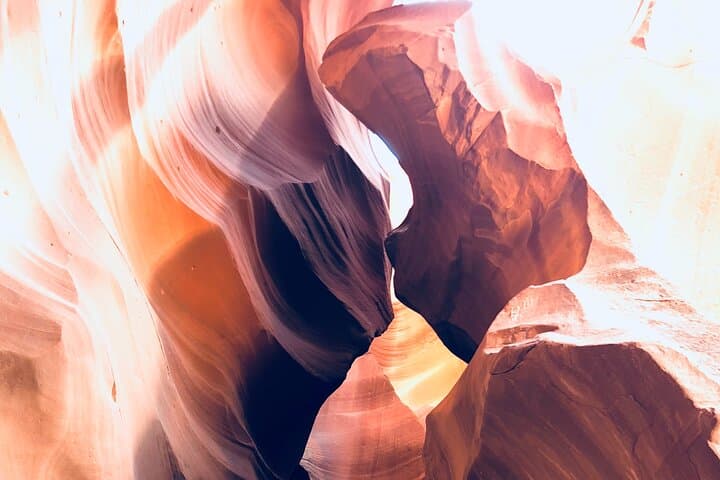
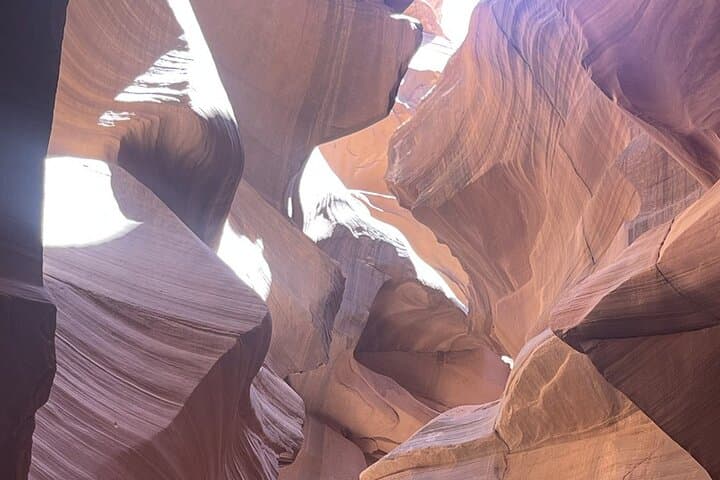
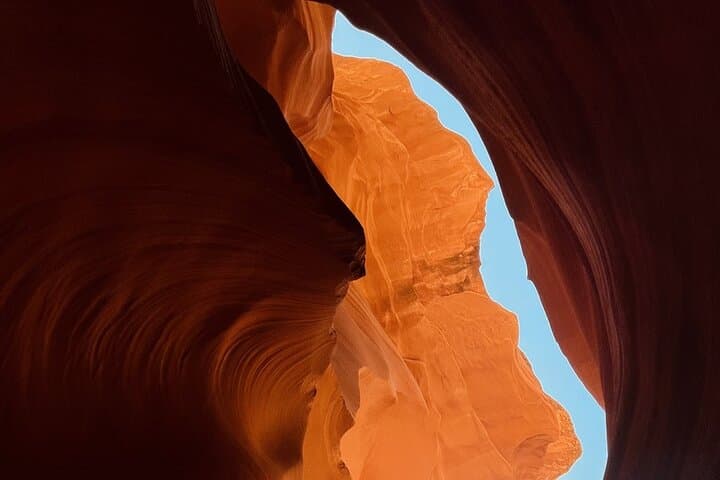
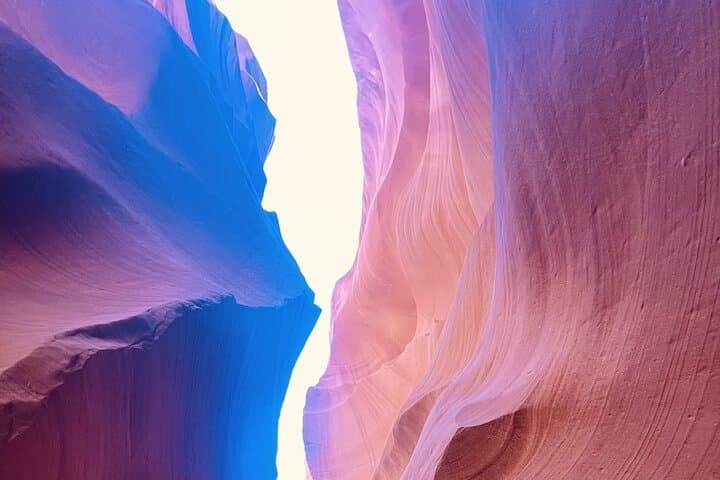
Lower Antelope Canyon—Hazdistaz to the Navajo people—arrives like a carved poem in stone. Here, wind and flash floods have coaxed smooth, curving walls and narrow passageways out of Navajo Sandstone. In “prime time” the canyon is lit from above; bands of sunlight slice through the slots and animate the walls in a warm, copper glow. The walking is short but deliberate—stairs and tight turns demand steady footing and awareness of your pack and camera.
Horseshoe Bend offers the opposite experience: open air and a vertiginous viewpoint. A 1.5-mile round-trip trail deposits you at a rim that looks down 1,000 feet to the Colorado River curling in a near-perfect horseshoe. Geologically it’s an entrenched meander—an ancient river held fast while the land uplifted around it—visible in the exposed layers and braided colors of the canyon walls.
Between those two highlights, the Glen Canyon Dam overlook offers a practical stop: a short, paved walk and a clear read on how rivers, engineers, and governments reshaped the Southwest with Lake Powell and the dam. The tour wraps with quiet windows of desert—cliffs, sage, and the distant shimmer of water—before the drive back to Vegas.
Practical guidance: this is a long day—expect roughly 13 hours from hotel pickup to drop-off, with about 4–4.5 hours of driving each way. Distances on foot are short (Lower Antelope walkthrough ~0.5–1 mile moving, Horseshoe Bend ~1.5 miles round trip), but the desert sun and sand demand sun protection, plenty of water, and sturdy shoes with traction. The operator includes entrance fees and lunch, and a local Navajo guide provides context on cultural history and canyon safety.
Timing matters: prime-time lighting in Lower Antelope is why this tour exists—plan to have batteries charged and camera cards empty. For crowds, afternoons can be quieter at the bend; early in the day the light is best in the canyon. Respect posted rules around cliff edges and Navajo Nation protocols—these places are fragile and culturally significant.
By evening, the bright vertical walls you walked through feel permanent and the long road back gives you time to hold those images: a river daring the canyon, sandstone that keeps the memory of water, and a day in the desert that’s both scenic and sharply practical.
moderate.
13 hours.
Suitable for travelers with basic fitness—short hikes and stair sections require steady balance and mobility but no technical fitness.
Expect about 4–4.5 hours each way depending on traffic and stops; the full tour is roughly 13 hours including transfers and visits.
It’s short but can be narrow with stairs; visitors should be steady on their feet and able to navigate uneven surfaces.
Yes—admission fees for Antelope Canyon and Horseshoe Bend plus a sandwich lunch and bottled water are included.
Infant seats are available, but the tour is not recommended for those with serious back or heart problems or for pregnant travelers due to the long drive and variable terrain.
Prime-time—midday when the sun is high—produces the dramatic light beams advertised on this tour; mornings and late afternoons offer different, softer tones.
Yes—Antelope Canyon is on Navajo Nation land and requires guided access; this tour includes the necessary permits and Navajo guides.
The canyons and river cuts are part of Navajo Nation territory with deep cultural significance; Glen Canyon Dam reshaped the Colorado River and created Lake Powell in the mid-20th century.
These slot canyons are fragile—stay on paths, avoid touching soft sandstone, and follow Navajo guide rules to minimize erosion and cultural impact.
SV Tour operates guided outdoor trips and adventures with an emphasis on safety, stewardship, and memorable experiences.
The day starts before sunrise in the neon spill of Las Vegas and ends with the desert sun sliding low over rippled Navajo sandstone. By mid-morning your van hums down Highway 89 toward Page, Arizona, a small town that marks a hard edge between Mojave scrub and the red cliffs of the Colorado Plateau. The rhythm of the trip is driven by light: the timing of canyon beams, the angle on the river, the long shadows on the bend.
The day starts before sunrise in the neon spill of Las Vegas and ends with the desert sun sliding low over rippled Navajo sandstone. By mid-morning your van hums down Highway 89 toward Page, Arizona, a small town that marks a hard edge between Mojave scrub and the red cliffs of the Colorado Plateau. The rhythm of the trip is driven by light: the timing of canyon beams, the angle on the river, the long shadows on the bend.
Lower Antelope Canyon—Hazdistaz to the Navajo people—arrives like a carved poem in stone. Here, wind and flash floods have coaxed smooth, curving walls and narrow passageways out of Navajo Sandstone. In “prime time” the canyon is lit from above; bands of sunlight slice through the slots and animate the walls in a warm, copper glow. The walking is short but deliberate—stairs and tight turns demand steady footing and awareness of your pack and camera.
Horseshoe Bend offers the opposite experience: open air and a vertiginous viewpoint. A 1.5-mile round-trip trail deposits you at a rim that looks down 1,000 feet to the Colorado River curling in a near-perfect horseshoe. Geologically it’s an entrenched meander—an ancient river held fast while the land uplifted around it—visible in the exposed layers and braided colors of the canyon walls.
Between those two highlights, the Glen Canyon Dam overlook offers a practical stop: a short, paved walk and a clear read on how rivers, engineers, and governments reshaped the Southwest with Lake Powell and the dam. The tour wraps with quiet windows of desert—cliffs, sage, and the distant shimmer of water—before the drive back to Vegas.
Practical guidance: this is a long day—expect roughly 13 hours from hotel pickup to drop-off, with about 4–4.5 hours of driving each way. Distances on foot are short (Lower Antelope walkthrough ~0.5–1 mile moving, Horseshoe Bend ~1.5 miles round trip), but the desert sun and sand demand sun protection, plenty of water, and sturdy shoes with traction. The operator includes entrance fees and lunch, and a local Navajo guide provides context on cultural history and canyon safety.
Timing matters: prime-time lighting in Lower Antelope is why this tour exists—plan to have batteries charged and camera cards empty. For crowds, afternoons can be quieter at the bend; early in the day the light is best in the canyon. Respect posted rules around cliff edges and Navajo Nation protocols—these places are fragile and culturally significant.
By evening, the bright vertical walls you walked through feel permanent and the long road back gives you time to hold those images: a river daring the canyon, sandstone that keeps the memory of water, and a day in the desert that’s both scenic and sharply practical.