THE ADVENTURE COLLECTIVE® · Independent discovery and booking for outdoor travel

Catch the slot-canyon light at its best with a Navajo-guided, half-day tour from Page, AZ that pairs Antelope Canyon (Upper or Lower) with Horseshoe Bend and a Glen Canyon Dam overlook. Ideal for photographers and first-time visitors, the tour includes shuttle pickup, bottled water, and tribal permits.
Catch the slot-canyon light at its best with a Navajo-guided, half-day tour from Page, AZ that pairs Antelope Canyon (Upper or Lower) with Horseshoe Bend and a Glen Canyon Dam overlook. Ideal for photographers and first-time visitors, the tour includes shuttle pickup, bottled water, and tribal permits.
You step off the air-conditioned van into a slab of desert light — the town of Page at your back and a canyon’s throat ahead. The slot walls pull the sun into thin ribbons; dust motes hang like tiny comets where beams find the sandstone. A Navajo guide leads the group through narrow corridors where water once carved the rock, and every turn feels deliberate, intimate and ancient.
Verified experiences and guided adventures in the surrounding area.
Operated by Scenic Bend · Page, Arizona
You step off the air-conditioned van into a slab of desert light — the town of Page at your back and a canyon’s throat ahead. The slot walls pull the sun into thin ribbons; dust motes hang like tiny comets where beams find the sandstone. A Navajo guide leads the group through narrow corridors where water once carved the rock, and every turn feels deliberate, intimate and ancient.
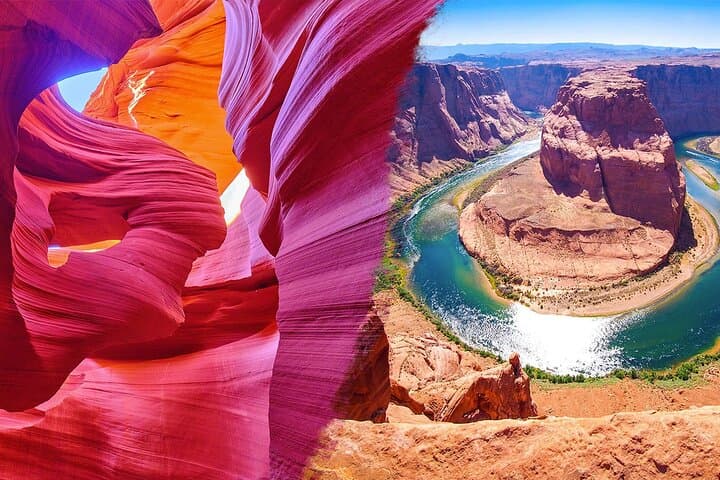
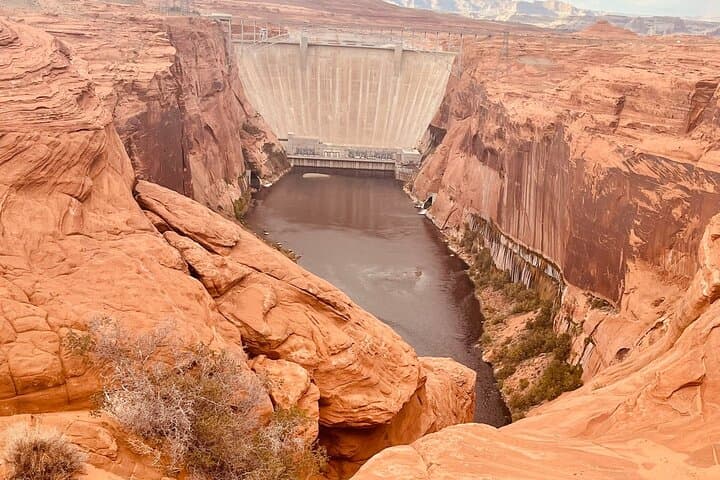
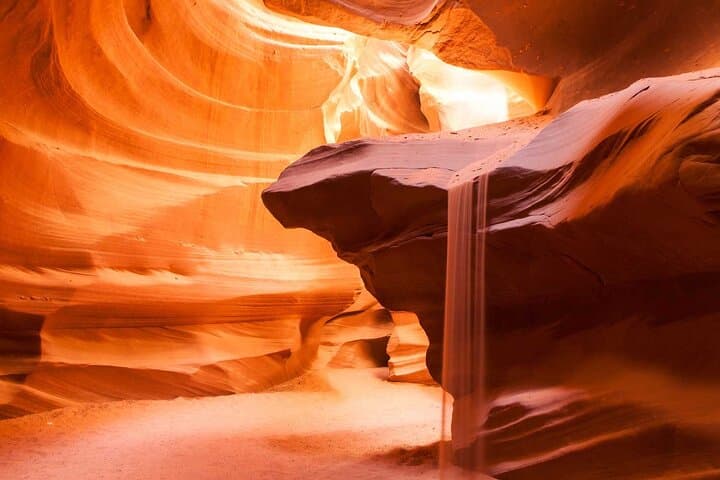
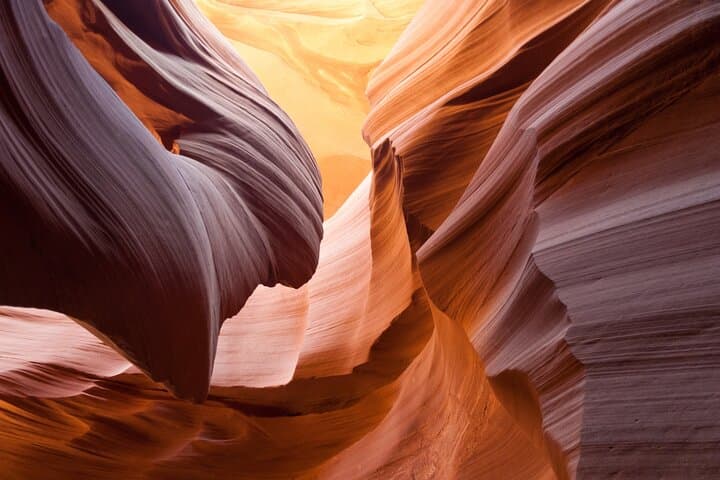
The slot canyons here are sculpted from Navajo Sandstone laid down in an ancient desert and etched by flash floods over millennia. Upper Antelope (Tsé bighánílíní) favors vertical shafts and dramatic light beams in summer; Lower Antelope (Hazdistazí) reveals tighter “V” turns and a more hands-on route with steps and ladders. Nearby, Horseshoe Bend shows the Colorado River slicing a 270-degree meander, and Glen Canyon Dam marks the modern era’s imprint on the river’s flow.
Expect culturally guided interpretation — Navajo guides explain place names, flood history, and the ethics of visiting tribal land. Photography is central here: plan for prime-time light and be respectful of other visitors and guides.
Practical notes: the tour runs roughly five hours, includes shuttle pickup in Page, bottled water, and entrance permits. Wear sturdy closed-toe shoes for uneven sandstone and short stair sections, bring sun protection, and prepare for variable temperatures between canyon shade and exposed overlooks. Summer brings strong sun and potential afternoon storms; winter tones down the light but softens crowds. Contact your operator the day before to confirm pickup and arrive five minutes early — these itineraries move on Navajo permit schedules and tight time windows.
easy.
5 hours.
Light fitness required: you should be comfortable standing, walking short distances on uneven rock, and descending/ascending short stairways.
Yes — the tour offers a choice at booking. Upper is easier at ground level with vertical light beams; Lower involves more stairs and tighter passages.
Tripod policies vary; small, unobtrusive tripods may be restricted during busy prime-time runs to avoid blocking narrow paths — check with your guide beforehand.
The Horseshoe Bend overlook is a short walk from the parking area (about 0.6 miles round trip) on sandy, uneven ground with modest elevation change to the rim; wear shoes with traction.
Flash floods can occur during monsoon season (typically July–September) and tours may be canceled for safety; always follow your Navajo guide’s instructions.
Antelope Canyons lie on Navajo Nation land; the canyons and their names are part of local Navajo cultural landscapes and oral history. Glen Canyon Dam, completed in 1966, changed river flow and regional development.
Stay on designated paths and follow guide instructions to protect fragile sandstone and cultural sites; water scarcity and foot traffic make Leave No Trace practices important here.
Scenic Bend operates guided outdoor trips and adventures with an emphasis on safety, stewardship, and memorable experiences.
You step off the air-conditioned van into a slab of desert light — the town of Page at your back and a canyon’s throat ahead. The slot walls pull the sun into thin ribbons; dust motes hang like tiny comets where beams find the sandstone. A Navajo guide leads the group through narrow corridors where water once carved the rock, and every turn feels deliberate, intimate and ancient.
You step off the air-conditioned van into a slab of desert light — the town of Page at your back and a canyon’s throat ahead. The slot walls pull the sun into thin ribbons; dust motes hang like tiny comets where beams find the sandstone. A Navajo guide leads the group through narrow corridors where water once carved the rock, and every turn feels deliberate, intimate and ancient.
The slot canyons here are sculpted from Navajo Sandstone laid down in an ancient desert and etched by flash floods over millennia. Upper Antelope (Tsé bighánílíní) favors vertical shafts and dramatic light beams in summer; Lower Antelope (Hazdistazí) reveals tighter “V” turns and a more hands-on route with steps and ladders. Nearby, Horseshoe Bend shows the Colorado River slicing a 270-degree meander, and Glen Canyon Dam marks the modern era’s imprint on the river’s flow.
Expect culturally guided interpretation — Navajo guides explain place names, flood history, and the ethics of visiting tribal land. Photography is central here: plan for prime-time light and be respectful of other visitors and guides.
Practical notes: the tour runs roughly five hours, includes shuttle pickup in Page, bottled water, and entrance permits. Wear sturdy closed-toe shoes for uneven sandstone and short stair sections, bring sun protection, and prepare for variable temperatures between canyon shade and exposed overlooks. Summer brings strong sun and potential afternoon storms; winter tones down the light but softens crowds. Contact your operator the day before to confirm pickup and arrive five minutes early — these itineraries move on Navajo permit schedules and tight time windows.