THE ADVENTURE COLLECTIVE® · Independent discovery and booking for outdoor travel

Walk the West Village streets where LGBTQ communities organized and socialized before Stonewall. This two-hour guided tour maps hidden meeting spots, early activist sites and cultural venues that shaped queer life across decades.
Walk the West Village streets where LGBTQ communities organized and socialized before Stonewall. This two-hour guided tour maps hidden meeting spots, early activist sites and cultural venues that shaped queer life across decades.
The group steps off a narrow West Village sidewalk and the city’s hum compresses into the small, lived-in streets where queer New Yorkers quietly built community long before headlines ever arrived.
Verified experiences and guided adventures in the surrounding area.
Operated by Nerd Herd Tours · New York, New York
The group steps off a narrow West Village sidewalk and the city’s hum compresses into the small, lived-in streets where queer New Yorkers quietly built community long before headlines ever arrived.
Participants move past low brownstones, cobbled alleys and discreet storefronts—each address a chapter: clandestine meeting spots, early lesbian social clubs, the tiny theatres that staged experimental work. Geologically, Manhattan’s southern tip is firm schist beneath thin streets and historic curbs; architecturally, the Village retains irregular grids and 19th‑century facades that shaped intimate public life.
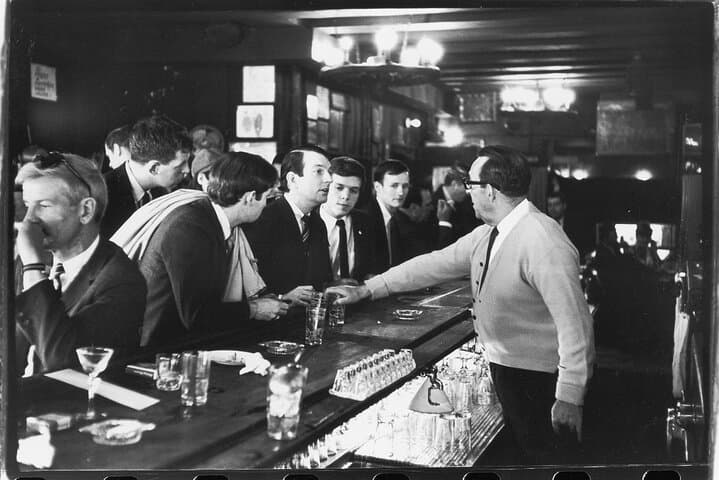
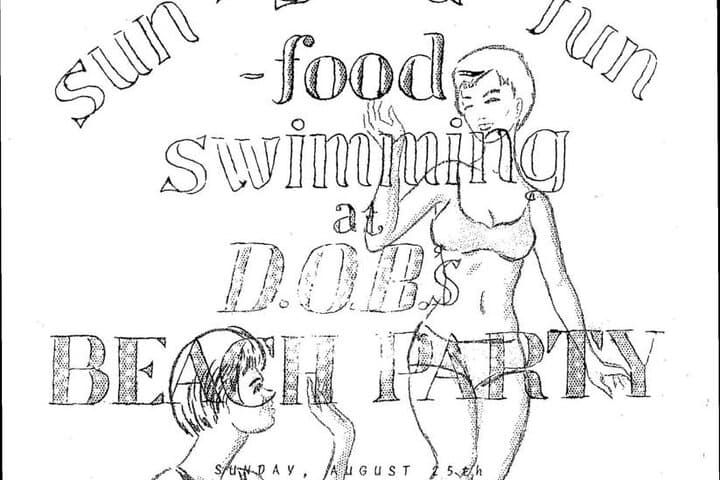
This walk threads through decades: 1890s salons and writers’ houses, mid‑20th century social clubs like the Daughters of Bilitis, the Mattachine Society’s organizing rooms, and the coffeehouses and off‑off‑Broadway venues that gave queer culture a foothold. Expect stories of activists, patrons, and artists who used private spaces to practice public courage.
Culturally, the tour highlights how everyday places—bars, teahouses, storefronts—became political by existing. Guides point out plaques and building façades while encouraging respectful engagement with current residents.
Practically, the route covers roughly 1.5–2.5 miles over 2–2.5 hours with frequent stops; surfaces include sidewalks and occasional cobbles. The pace is conversational rather than strenuous, suitable for those with moderate mobility needs; wheelchair accessible options are noted. Bring comfortable shoes, a transit card, and an attentive ear: the tour is as much about listening to voices of the past as it is about seeing the present streetscape.
moderate.
2–2.5 hours.
Moderate level of fitness—walking at an easy conversational pace with short standing stops; some participants may need rest breaks.
Yes—this itinerary notes wheelchair accessibility for sidewalks and stops, but contact the operator if you have specific mobility needs to confirm accessibility on your chosen date.
Meeting locations are usually in the West Village; the booking confirmation provides an exact address and local landmarks for arrival.
Most stops are exterior views of buildings and plaques; interior admission is not typically included unless specifically stated.
You can cancel for a full refund if you cancel at least 24 hours before departure; weather or low enrollment may also cause cancellations.
Before Stonewall, the West Village hosted quiet networks—literary salons, pioneering lesbian organizations like the Daughters of Bilitis, and early gay rights groups such as the Mattachine Society.
Visitors are asked to respect residents and local businesses; support preservation by following walking etiquette, staying on public sidewalks, and patronizing LGBTQ‑owned venues when possible.
Nerd Herd Tours operates guided outdoor trips and adventures with an emphasis on safety, stewardship, and memorable experiences.
The group steps off a narrow West Village sidewalk and the city’s hum compresses into the small, lived-in streets where queer New Yorkers quietly built community long before headlines ever arrived.
The group steps off a narrow West Village sidewalk and the city’s hum compresses into the small, lived-in streets where queer New Yorkers quietly built community long before headlines ever arrived.
Participants move past low brownstones, cobbled alleys and discreet storefronts—each address a chapter: clandestine meeting spots, early lesbian social clubs, the tiny theatres that staged experimental work. Geologically, Manhattan’s southern tip is firm schist beneath thin streets and historic curbs; architecturally, the Village retains irregular grids and 19th‑century facades that shaped intimate public life.
This walk threads through decades: 1890s salons and writers’ houses, mid‑20th century social clubs like the Daughters of Bilitis, the Mattachine Society’s organizing rooms, and the coffeehouses and off‑off‑Broadway venues that gave queer culture a foothold. Expect stories of activists, patrons, and artists who used private spaces to practice public courage.
Culturally, the tour highlights how everyday places—bars, teahouses, storefronts—became political by existing. Guides point out plaques and building façades while encouraging respectful engagement with current residents.
Practically, the route covers roughly 1.5–2.5 miles over 2–2.5 hours with frequent stops; surfaces include sidewalks and occasional cobbles. The pace is conversational rather than strenuous, suitable for those with moderate mobility needs; wheelchair accessible options are noted. Bring comfortable shoes, a transit card, and an attentive ear: the tour is as much about listening to voices of the past as it is about seeing the present streetscape.