THE ADVENTURE COLLECTIVE® · Independent discovery and booking for outdoor travel

Travel from Rethymno’s Venetian streets to Preveli’s palm grove on a full-day tour that mixes geology, culture and a short boat ride. Swim at azure coves, explore Kourtaliotiko Gorge and wander Rethymno’s historic lanes.
Travel from Rethymno’s Venetian streets to Preveli’s palm grove on a full-day tour that mixes geology, culture and a short boat ride. Swim at azure coves, explore Kourtaliotiko Gorge and wander Rethymno’s historic lanes.
The bus drops you where the island changes tone: north-wind scrub gives way to sunburnt cliffs and a gorge that seems to pull the sea inland. You step off with a view of blue that pushes and pulls, and the guide points to the narrow ribbon of river threading down to Preveli’s famous palm grove.
Verified experiences and guided adventures in the surrounding area.
The bus drops you where the island changes tone: north-wind scrub gives way to sunburnt cliffs and a gorge that seems to pull the sea inland. You step off with a view of blue that pushes and pulls, and the guide points to the narrow ribbon of river threading down to Preveli’s famous palm grove.
This full-day route threads Rethymno’s Venetian-carved alleys, the knife-edge geology of Kourtaliotiko Gorge and the southern shore’s mix of sand and rock. Preveli’s palm stand grows where freshwater meets the Libyan Sea — a geological and hydrological intersection that has supported human settlement and a small monastery since at least the Ottoman-Venetian period. Rethymno town conveys Crete’s layered past: Venetian arches, Ottoman fountains and stone mansions repurposed as cafés and shops.
Expect a short boat hop from Damnoni to the beach, free time for swimming in clear, often warm water, and an afternoon stroll through Rethymno’s old town with its narrow streets and carved facades. The day is equal parts shoreline and culture: a chance to feel sea spray and read the island’s history in stone.
Practical notes: bring water shoes for the pebble-shingle shore, reef-safe sunscreen, and cash for small tavernas. Timing matters—mornings are cooler for the gorge and boat crossings; late afternoon in Rethymno is best for photos and sipping coffee. Wear layered footwear for boardwalks, sand and cobbled streets, and be ready for uneven paths at the palm grove.
moderate.
9–10 hours.
Light to moderate fitness for short hikes, boat boarding and walking on uneven surfaces; comfortable mobility recommended.
The boat shuttle from Damnoni to Preveli takes roughly 10–15 minutes each way, weather permitting.
Yes — the itinerary includes free time at the beach for swimming and a lunch stop at seaside tavernas near Damnoni or Preveli.
No technical hikes are required; expect short walks on sand, pebble beaches and uneven trails near the palm grove and in Rethymno’s old town.
The Preveli palm area is a protected natural site and open year-round, though access and services can vary with season and sea conditions.
Rethymno’s old town preserves Venetian-era urban planning and carved stonework; Preveli gained significance for its monastery and palm grove as a coastal refuge and freshwater site.
The palm grove and surrounding dunes are sensitive to trampling and visitor pressure; stick to marked paths, avoid leaving waste and use reef-safe sunscreen to protect marine habitats.
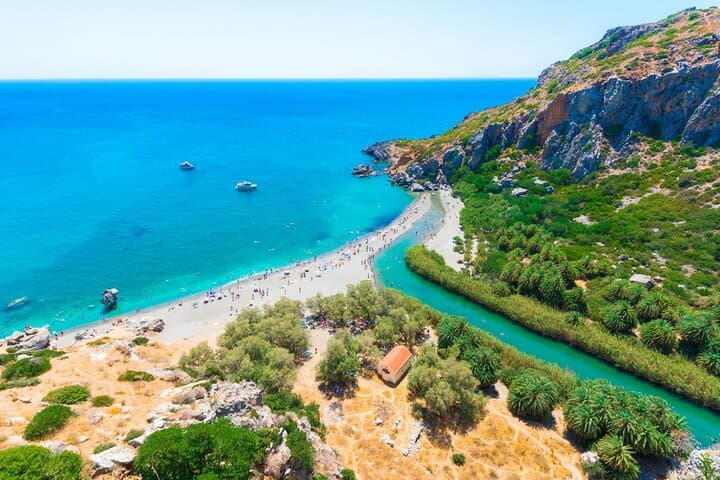
The bus drops you where the island changes tone: north-wind scrub gives way to sunburnt cliffs and a gorge that seems to pull the sea inland. You step off with a view of blue that pushes and pulls, and the guide points to the narrow ribbon of river threading down to Preveli’s famous palm grove.
The bus drops you where the island changes tone: north-wind scrub gives way to sunburnt cliffs and a gorge that seems to pull the sea inland. You step off with a view of blue that pushes and pulls, and the guide points to the narrow ribbon of river threading down to Preveli’s famous palm grove.
This full-day route threads Rethymno’s Venetian-carved alleys, the knife-edge geology of Kourtaliotiko Gorge and the southern shore’s mix of sand and rock. Preveli’s palm stand grows where freshwater meets the Libyan Sea — a geological and hydrological intersection that has supported human settlement and a small monastery since at least the Ottoman-Venetian period. Rethymno town conveys Crete’s layered past: Venetian arches, Ottoman fountains and stone mansions repurposed as cafés and shops.
Expect a short boat hop from Damnoni to the beach, free time for swimming in clear, often warm water, and an afternoon stroll through Rethymno’s old town with its narrow streets and carved facades. The day is equal parts shoreline and culture: a chance to feel sea spray and read the island’s history in stone.
Practical notes: bring water shoes for the pebble-shingle shore, reef-safe sunscreen, and cash for small tavernas. Timing matters—mornings are cooler for the gorge and boat crossings; late afternoon in Rethymno is best for photos and sipping coffee. Wear layered footwear for boardwalks, sand and cobbled streets, and be ready for uneven paths at the palm grove.