THE ADVENTURE COLLECTIVE® · Independent discovery and booking for outdoor travel

A full-day cultural circuit through Pretoria, Soweto and Johannesburg that pairs the Voortrekker Monument and Apartheid Museum with Vilakazi Street’s living history. Expect guided museum time, short neighborhood walks and a deep primer on South Africa’s 20th-century story.
A full-day cultural circuit through Pretoria, Soweto and Johannesburg that pairs the Voortrekker Monument and Apartheid Museum with Vilakazi Street’s living history. Expect guided museum time, short neighborhood walks and a deep primer on South Africa’s 20th-century story.
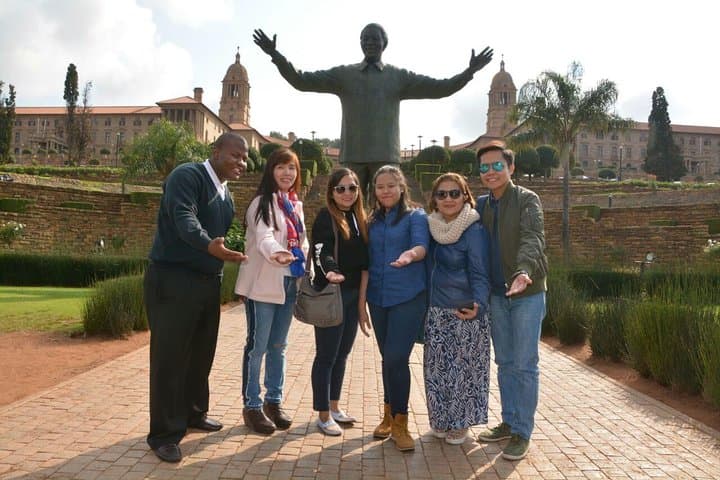
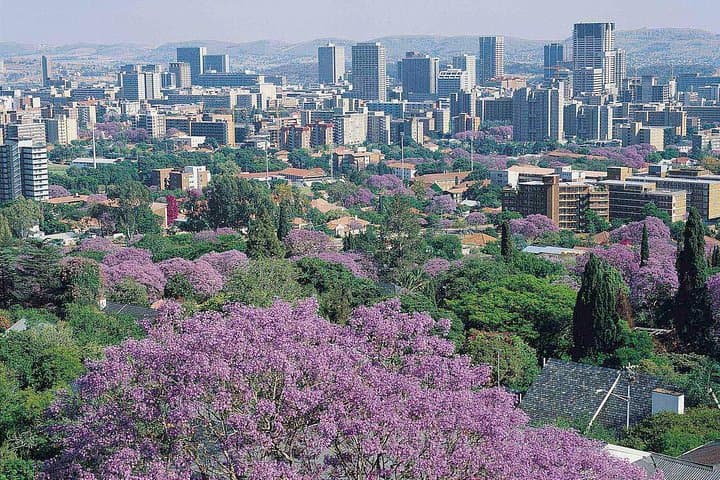
You begin before the city fully wakes: a ribbon of highway pushing you from Pretoria’s government precinct toward the low, wide skyline of Johannesburg.
Verified experiences and guided adventures in the surrounding area.
Operated by Mashalas Travel · Johannesburg, Gauteng
You begin before the city fully wakes: a ribbon of highway pushing you from Pretoria’s government precinct toward the low, wide skyline of Johannesburg.
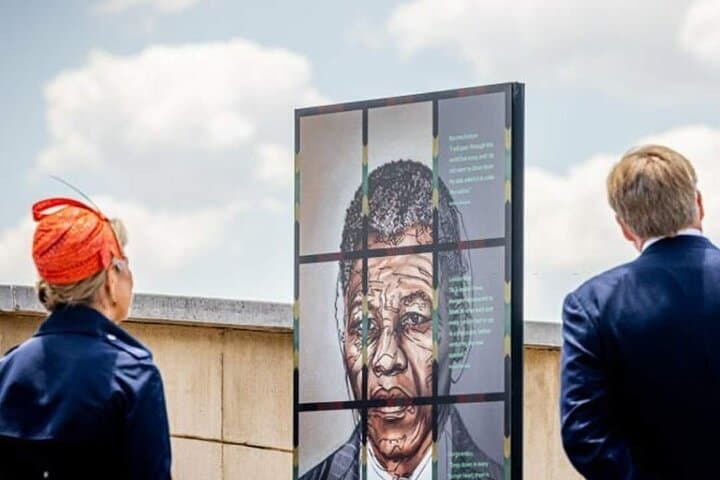
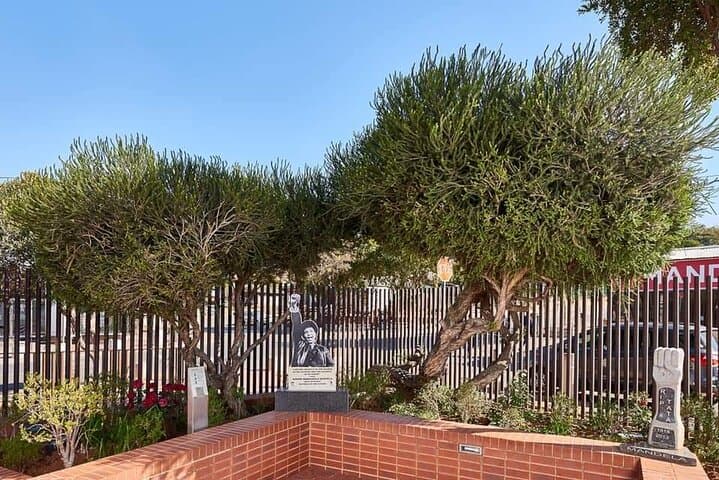
First stop is the Voortrekker Monument — its granite mass standing on the Highveld like a history lesson in stone. The guide moves through military reliefs and inscriptions, tracing Afrikaner migration and the clash of colonial ambitions. The road then drops you onto Vilakazi Street in Soweto, where lineage and protest live side by side: Nelson Mandela’s house opens a window on family life turned public, while the Hector Pieterson Memorial keeps the 1976 student uprising close and immediate.
Geology and urban form meet here on Gauteng’s Highveld — wind-swept grasslands, dolerite sills visible on some ridgelines, and streets that grew rapidly with mining wealth and migrant labor. Culture is loud and plain: township crafter stalls, township jazz seeping from cafés, and the visible scars and renewals of a society that negotiated its own unmaking.
Practical guidance: this is a full-day, largely on-foot-and-by-vehicle tour (about 10 hours including transfers). Expect multiple short walks, museum time and road travel between sites. Wear comfortable shoes and layers for variable weather; bring ID for museum entry and a small amount of cash for markets. Photography is welcome but do ask before pointing a lens at people in townships. The tour is wheelchair accessible in many parts, but confirm specifics if mobility is a concern. Plan for hydration and a respectful curiosity — you’ll leave having seen both monuments and the everyday life that continues around them.
easy.
10 hours.
Suitable for most fitness levels; involves several short walks and museum visits with vehicle transfers between sites.
Yes — the tour includes hotel pickup and drop-off; provide your pickup point when booking.
Admission to the listed museums (Voortrekker Monument, Mandela House, Apartheid Museum) is included in the tour price as described.
The tour notes it is suitable for all ages and many areas are wheelchair accessible, but confirm specific accessibility needs with the operator beforehand.
Guides typically speak English and often other South African languages; confirm if you need a specific language when booking.
This corridor traces the arc from 19th-century settler movements to the 20th-century apartheid system and the township-based resistance that helped end it.
Museums and local groups emphasize preservation and responsible visiting; support authorized guides and vendors and follow site rules to reduce wear on historic exhibits.
Mashalas Travel operates guided outdoor trips and adventures with an emphasis on safety, stewardship, and memorable experiences.
You begin before the city fully wakes: a ribbon of highway pushing you from Pretoria’s government precinct toward the low, wide skyline of Johannesburg.
You begin before the city fully wakes: a ribbon of highway pushing you from Pretoria’s government precinct toward the low, wide skyline of Johannesburg.
First stop is the Voortrekker Monument — its granite mass standing on the Highveld like a history lesson in stone. The guide moves through military reliefs and inscriptions, tracing Afrikaner migration and the clash of colonial ambitions. The road then drops you onto Vilakazi Street in Soweto, where lineage and protest live side by side: Nelson Mandela’s house opens a window on family life turned public, while the Hector Pieterson Memorial keeps the 1976 student uprising close and immediate.
Geology and urban form meet here on Gauteng’s Highveld — wind-swept grasslands, dolerite sills visible on some ridgelines, and streets that grew rapidly with mining wealth and migrant labor. Culture is loud and plain: township crafter stalls, township jazz seeping from cafés, and the visible scars and renewals of a society that negotiated its own unmaking.
Practical guidance: this is a full-day, largely on-foot-and-by-vehicle tour (about 10 hours including transfers). Expect multiple short walks, museum time and road travel between sites. Wear comfortable shoes and layers for variable weather; bring ID for museum entry and a small amount of cash for markets. Photography is welcome but do ask before pointing a lens at people in townships. The tour is wheelchair accessible in many parts, but confirm specifics if mobility is a concern. Plan for hydration and a respectful curiosity — you’ll leave having seen both monuments and the everyday life that continues around them.