THE ADVENTURE COLLECTIVE® · Independent discovery and booking for outdoor travel

A full‑day guided exploration linking Pretoria’s civic monuments, Johannesburg’s urban energy and Soweto’s living history, concluding with the moving exhibits of the Apartheid Museum. Practical, accessible, and historically rich—ideal for travelers who want context with their sightseeing.
A full‑day guided exploration linking Pretoria’s civic monuments, Johannesburg’s urban energy and Soweto’s living history, concluding with the moving exhibits of the Apartheid Museum. Practical, accessible, and historically rich—ideal for travelers who want context with their sightseeing.
You step out of an air‑conditioned minivan into a city that wears its history openly: Pretoria’s sandstone government buildings throw long shadows, Johannesburg hums with commerce, and Soweto’s Vilakazi Street carries the quiet weight of two Nobel laureates. The tour moves at a deliberate pace—urban boulevards, quiet memorials, and a museum whose exhibits challenge you to look closer.
Verified experiences and guided adventures in the surrounding area.
Operated by Zeb Tours and Transfers · Johannesburg, Gauteng
You step out of an air‑conditioned minivan into a city that wears its history openly: Pretoria’s sandstone government buildings throw long shadows, Johannesburg hums with commerce, and Soweto’s Vilakazi Street carries the quiet weight of two Nobel laureates. The tour moves at a deliberate pace—urban boulevards, quiet memorials, and a museum whose exhibits challenge you to look closer.
The route traces the arc of 20th‑century South Africa: Boer war monuments and the Union Buildings in Pretoria, the rise of Johannesburg as a mining and financial hub, then the concentrated human stories in Soweto and the Apartheid Museum. Geology is visible in the gold‑rich ridges that shaped Johannesburg’s growth; culturally, the day is a mix of museum interpretation and community snapshots—township streets, markets, and churches.
Expect guided narration, short walks at key sites (Voortrekker Monument, Paul Kruger House, Hector Pieterson memorial) and a self‑guided experience through the Apartheid Museum. The pace suits most travelers—stops last from 30 minutes to two hours, with time for an optional lunch in Soweto. Practicalities: wear comfortable walking shoes, carry a refillable water bottle, and plan for sun or sudden showers depending on season. Photography is welcome but be respectful in residential areas.
This is a day for observation and context: bring questions, a charged phone, and an openness to the complex layers of South African history. The tour is accessible, educational, and rooted in real places where the country’s past and present meet.
easy.
6 hours.
Light—suitable for travelers who can stand and walk short distances and get on/off a vehicle several times.
Yes—this tour includes admission to the Apartheid Museum; the visit is self‑guided so you can move at your own pace.
Bottled water is included; lunch is optional and typically taken in Soweto at local cafes or restaurants at your own expense.
Most transport and several sites are wheelchair accessible, but some historic stops have uneven terrain—notify the operator for specific assistance.
Guides usually speak English and may speak additional South African languages—verify during booking if you require another language.
The tour follows locations central to South Africa’s 20th‑century story—from Boer and colonial landmarks in Pretoria to Soweto’s role in the anti‑apartheid movement and the national narrative preserved at the Apartheid Museum.
Support local museums and businesses, minimize single‑use plastics, and follow local guidance when photographing residents to reduce social and environmental impact.
Zeb Tours and Transfers operates guided outdoor trips and adventures with an emphasis on safety, stewardship, and memorable experiences.
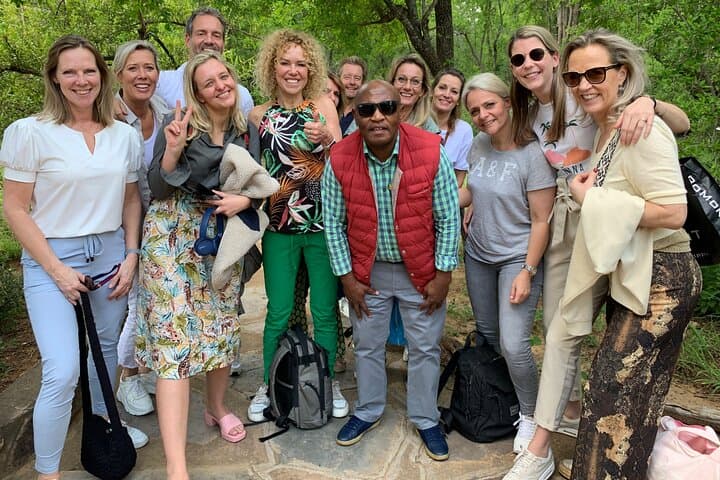
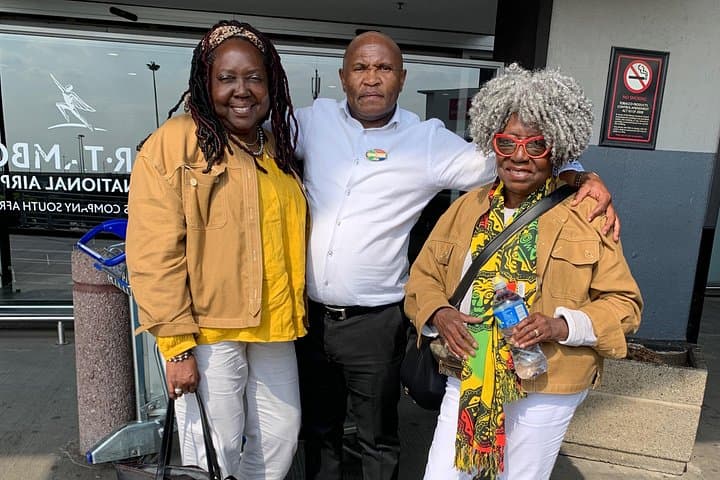
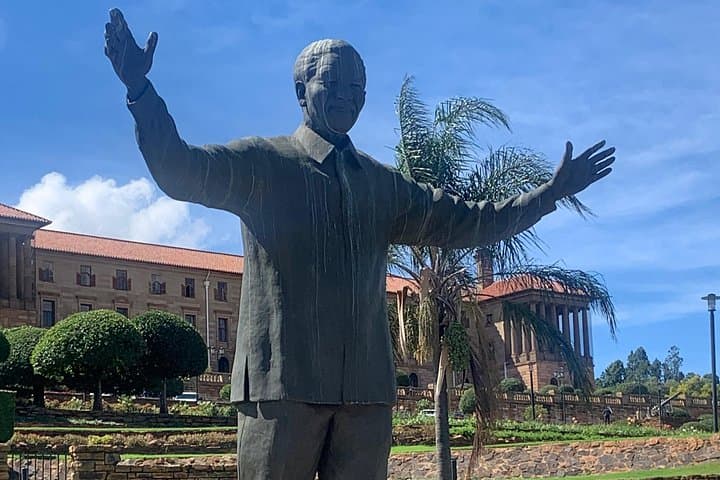
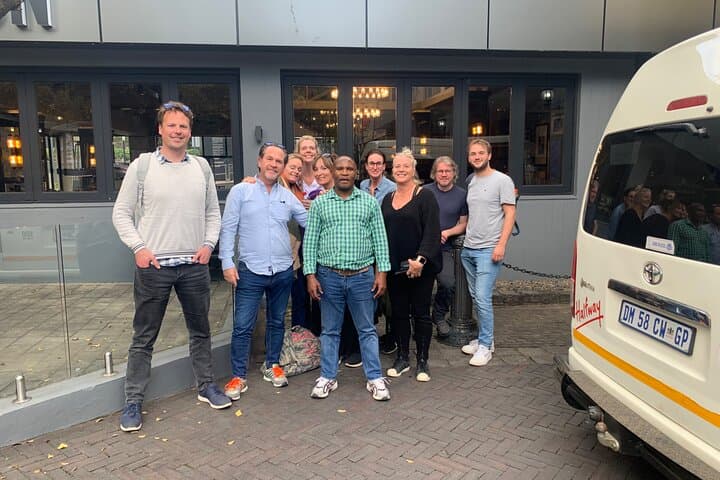
You step out of an air‑conditioned minivan into a city that wears its history openly: Pretoria’s sandstone government buildings throw long shadows, Johannesburg hums with commerce, and Soweto’s Vilakazi Street carries the quiet weight of two Nobel laureates. The tour moves at a deliberate pace—urban boulevards, quiet memorials, and a museum whose exhibits challenge you to look closer.
You step out of an air‑conditioned minivan into a city that wears its history openly: Pretoria’s sandstone government buildings throw long shadows, Johannesburg hums with commerce, and Soweto’s Vilakazi Street carries the quiet weight of two Nobel laureates. The tour moves at a deliberate pace—urban boulevards, quiet memorials, and a museum whose exhibits challenge you to look closer.
The route traces the arc of 20th‑century South Africa: Boer war monuments and the Union Buildings in Pretoria, the rise of Johannesburg as a mining and financial hub, then the concentrated human stories in Soweto and the Apartheid Museum. Geology is visible in the gold‑rich ridges that shaped Johannesburg’s growth; culturally, the day is a mix of museum interpretation and community snapshots—township streets, markets, and churches.
Expect guided narration, short walks at key sites (Voortrekker Monument, Paul Kruger House, Hector Pieterson memorial) and a self‑guided experience through the Apartheid Museum. The pace suits most travelers—stops last from 30 minutes to two hours, with time for an optional lunch in Soweto. Practicalities: wear comfortable walking shoes, carry a refillable water bottle, and plan for sun or sudden showers depending on season. Photography is welcome but be respectful in residential areas.
This is a day for observation and context: bring questions, a charged phone, and an openness to the complex layers of South African history. The tour is accessible, educational, and rooted in real places where the country’s past and present meet.