THE ADVENTURE COLLECTIVE® · Independent discovery and booking for outdoor travel

Visit the Presidio Museum in downtown Tucson to walk a reconstructed 18th‑century Spanish fort and see evidence of 2,000‑year‑old habitation. This practical guide covers what to expect, accessibility, timing, and smart gear for a 40–90 minute visit.
Visit the Presidio Museum in downtown Tucson to walk a reconstructed 18th‑century Spanish fort and see evidence of 2,000‑year‑old habitation. This practical guide covers what to expect, accessibility, timing, and smart gear for a 40–90 minute visit.
You step through a low wooden gate into a recreated Spanish fort and the heat of modern Tucson seems to fall away.
Verified experiences and guided adventures in the surrounding area.
Operated by Presidio San Agustin del Tucson · Tucson, Arizona
You step through a low wooden gate into a recreated Spanish fort and the heat of modern Tucson seems to fall away.
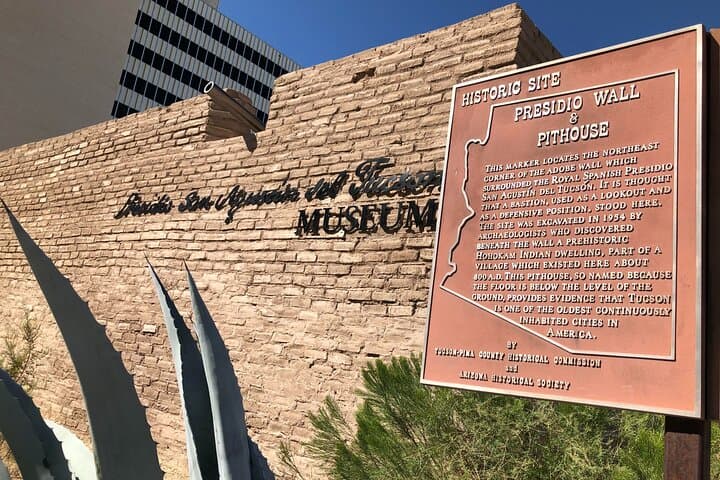
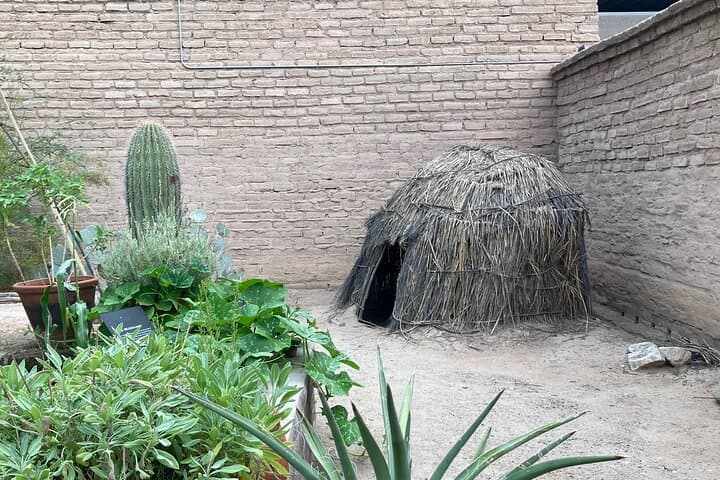
Wind from the Santa Catalina foothills carries grit and dust across the adobe walls as docents gesture toward an 1860s Sonoran row house and the exposed outline of a 2,000‑year‑old pit house. The Presidio Museum sits at downtown Tucson’s edge, where riverbeds and desert plains meet the first colonial footprint that became the city.
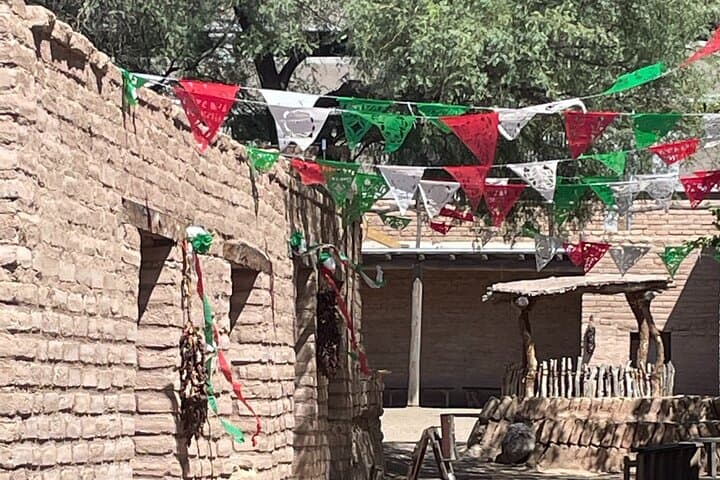
Founded where Spanish settlers established Presidio San Agustín del Tucson in 1775, the site layers Native American lifeways with Spanish colonial architecture and 19th‑century Sonoran domestic design. Geologically, you’re on the broad basin of the Sonoran Desert at roughly 2,400 ft elevation — dry, sun‑baked terrain that once funneled seasonal waters through nearby arroyos.
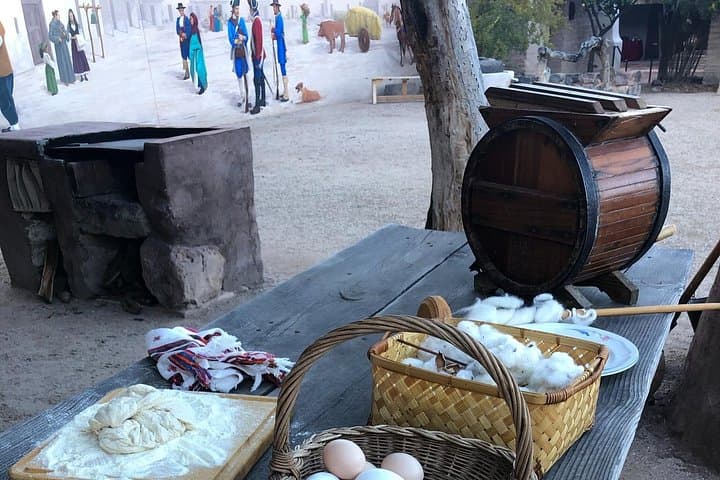
Culturally, the museum is a compact primer: reconstructions, artifacts, and interpretive panels explain how pre‑contact peoples, Spanish soldiers, Mexican settlers and Anglo pioneers shaped Tucson’s streets.
Practical guidance: plan 40–90 minutes for a self‑paced visit or docent‑led insights. Wear sun protection and comfortable walking shoes — the historic district is best explored on foot. Mobile or paper tickets are accepted at the front gate; the site is wheelchair and stroller accessible, with public transit nearby.
Timing matters — late morning in spring or fall keeps temperatures pleasant; summer afternoons are intense and best avoided. Bring water, a hat, and 45–90 minutes to let history outpace traffic noise and let the layers of Tucson’s past come into view.
easy.
40–90 minutes.
Light walking on mostly flat historic district streets; a basic level of mobility is sufficient.
Expect 40–90 minutes depending on whether you join a docent‑guided tour or explore exhibits at your own pace.
Both mobile and paper tickets are accepted; show your electronic ticket at the front gate for admission.
Yes — the Presidio Museum is wheelchair and stroller accessible, and service animals are allowed.
Spring and fall mornings offer mild temperatures; avoid mid‑afternoon in summer when heat and sun exposure are highest.
The Presidio marks the Spanish fort established in 1775; the museum interprets Indigenous presence, colonial settlement, and Tucson’s transformation into a borderland city.
Local conservation focuses on protecting riparian remnants and archaeological sites; visitors are asked to stay on paths and not disturb fragile features.
Presidio San Agustin del Tucson operates guided outdoor trips and adventures with an emphasis on safety, stewardship, and memorable experiences.
You step through a low wooden gate into a recreated Spanish fort and the heat of modern Tucson seems to fall away.
You step through a low wooden gate into a recreated Spanish fort and the heat of modern Tucson seems to fall away.
Wind from the Santa Catalina foothills carries grit and dust across the adobe walls as docents gesture toward an 1860s Sonoran row house and the exposed outline of a 2,000‑year‑old pit house. The Presidio Museum sits at downtown Tucson’s edge, where riverbeds and desert plains meet the first colonial footprint that became the city.
Founded where Spanish settlers established Presidio San Agustín del Tucson in 1775, the site layers Native American lifeways with Spanish colonial architecture and 19th‑century Sonoran domestic design. Geologically, you’re on the broad basin of the Sonoran Desert at roughly 2,400 ft elevation — dry, sun‑baked terrain that once funneled seasonal waters through nearby arroyos.
Culturally, the museum is a compact primer: reconstructions, artifacts, and interpretive panels explain how pre‑contact peoples, Spanish soldiers, Mexican settlers and Anglo pioneers shaped Tucson’s streets.
Practical guidance: plan 40–90 minutes for a self‑paced visit or docent‑led insights. Wear sun protection and comfortable walking shoes — the historic district is best explored on foot. Mobile or paper tickets are accepted at the front gate; the site is wheelchair and stroller accessible, with public transit nearby.
Timing matters — late morning in spring or fall keeps temperatures pleasant; summer afternoons are intense and best avoided. Bring water, a hat, and 45–90 minutes to let history outpace traffic noise and let the layers of Tucson’s past come into view.