THE ADVENTURE COLLECTIVE® · Independent discovery and booking for outdoor travel

Cross the Chacao channel and spend a day among Chiloé’s stilt houses, UNESCO wooden churches and artisan markets. This full-day shared tour blends easy walks, ferry time and cultural stops for a compact island introduction.
Cross the Chacao channel and spend a day among Chiloé’s stilt houses, UNESCO wooden churches and artisan markets. This full-day shared tour blends easy walks, ferry time and cultural stops for a compact island introduction.
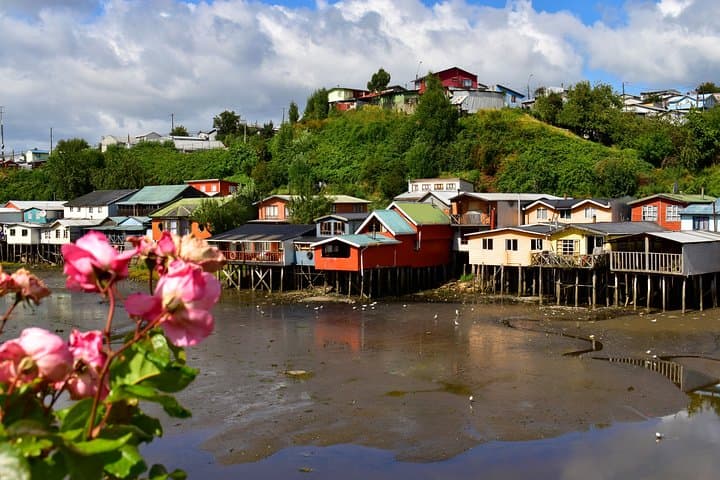
You step off the ferry into a cool, briny breeze and the island seems to rearrange your sense of scale: wooden houses on stilts gaze out over a channel that pushes and pulls with the tide, gulls wheel like punctuation marks, and the square hums with market vendors and the low thrum of outboard engines.
Verified experiences and guided adventures in the surrounding area.
Operated by SouthernEx Chile · Castro, Los Lagos
You step off the ferry into a cool, briny breeze and the island seems to rearrange your sense of scale: wooden houses on stilts gaze out over a channel that pushes and pulls with the tide, gulls wheel like punctuation marks, and the square hums with market vendors and the low thrum of outboard engines.
This full-day loop visits Chacao’s channel gateways, the UNESCO-listed wooden churches of Castro, and the craft-lined streets of Dalcahue. Geologically, Chiloé is a patchwork of glacially scoured valleys, peat bogs and volcanic bedrock that influence the island’s heavy soils and dense forests. Culturally, the archipelago preserves Chilote folklore—sea spirits, mythic creatures and island-specific carpentry—rooted in Spanish missionary history and indigenous Huilliche traditions.
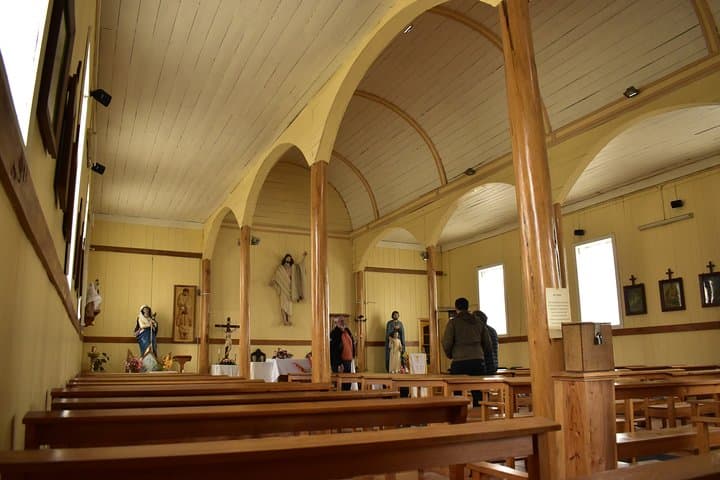
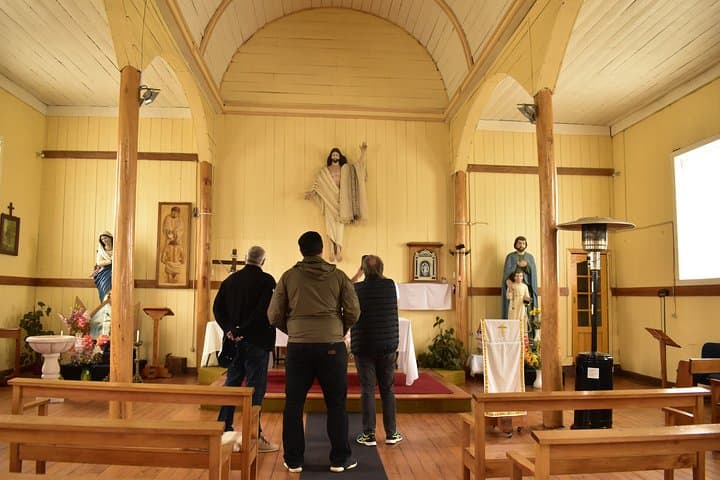
Expect short, gentle walks around town plazas, waterfront promenades and a ferry crossing that is itself part of the experience. Photo opportunities center on colorful palafitos (stilt houses), the timber façades of the San Francisco Temple in Castro, and handcrafted wool and woodwork at Dalcahue’s market.
Practical notes: the day lasts roughly 10 hours with several stops for 20–90 minutes. Terrain is flat but can be muddy and windy; waterproof layers and stable shoes matter more than technical gear. Bring local currency for snacks and crafts, and schedule your visit around tidal timing if you want the best waterfront shots. Respect private property, avoid disturbing shoreline foragers, and use low-impact practices—Chiloé rewards visitors who move quietly and leave no trace.
easy.
10 hours.
Suitable for most travelers; short, gentle walks and mostly flat surfaces with occasional muddy sections
The tour runs about 10 hours and typically includes ferry crossings, guided stops at Chacao, Castro and Dalcahue, and a provided lunch and bottled water.
Yes—stops involve short, easy walks and the tour notes are suitable for most fitness levels; infant seats and stroller access are often available.
Yes—ferry crossings and weather-sensitive operations may be canceled for safety; operators usually offer refunds if canceled 24 hours prior.
Most visits are external or guided walks through plazas; specific museum or paid-entry sites may not be included—check the itinerary or ask the operator.
Chiloé’s wooden churches reflect Spanish missionary building traditions blended with indigenous techniques; several churches were declared UNESCO World Heritage Sites for their unique carpentry.
The archipelago’s wet soils and coastal ecosystems are sensitive—support local craft economies, avoid harvesting marine life, and stick to marked paths to reduce erosion.
SouthernEx Chile operates guided outdoor trips and adventures with an emphasis on safety, stewardship, and memorable experiences.
You step off the ferry into a cool, briny breeze and the island seems to rearrange your sense of scale: wooden houses on stilts gaze out over a channel that pushes and pulls with the tide, gulls wheel like punctuation marks, and the square hums with market vendors and the low thrum of outboard engines.
You step off the ferry into a cool, briny breeze and the island seems to rearrange your sense of scale: wooden houses on stilts gaze out over a channel that pushes and pulls with the tide, gulls wheel like punctuation marks, and the square hums with market vendors and the low thrum of outboard engines.
This full-day loop visits Chacao’s channel gateways, the UNESCO-listed wooden churches of Castro, and the craft-lined streets of Dalcahue. Geologically, Chiloé is a patchwork of glacially scoured valleys, peat bogs and volcanic bedrock that influence the island’s heavy soils and dense forests. Culturally, the archipelago preserves Chilote folklore—sea spirits, mythic creatures and island-specific carpentry—rooted in Spanish missionary history and indigenous Huilliche traditions.
Expect short, gentle walks around town plazas, waterfront promenades and a ferry crossing that is itself part of the experience. Photo opportunities center on colorful palafitos (stilt houses), the timber façades of the San Francisco Temple in Castro, and handcrafted wool and woodwork at Dalcahue’s market.
Practical notes: the day lasts roughly 10 hours with several stops for 20–90 minutes. Terrain is flat but can be muddy and windy; waterproof layers and stable shoes matter more than technical gear. Bring local currency for snacks and crafts, and schedule your visit around tidal timing if you want the best waterfront shots. Respect private property, avoid disturbing shoreline foragers, and use low-impact practices—Chiloé rewards visitors who move quietly and leave no trace.