THE ADVENTURE COLLECTIVE® · Independent discovery and booking for outdoor travel

Ascend a high Andean pass, stand at Humantay’s turquoise shore, then descend into cloud forest on this 5-day premium Salkantay route to Machu Picchu. Expect dramatic elevation changes, upgraded camps, and guided access to archaeological viewpoints.
Ascend a high Andean pass, stand at Humantay’s turquoise shore, then descend into cloud forest on this 5-day premium Salkantay route to Machu Picchu. Expect dramatic elevation changes, upgraded camps, and guided access to archaeological viewpoints.
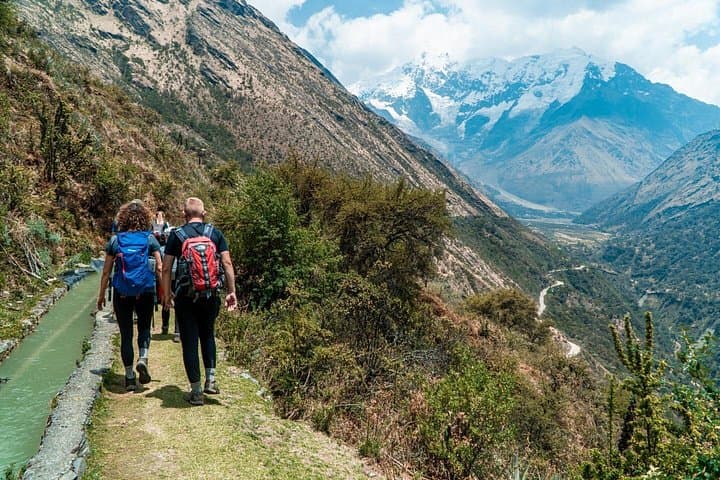
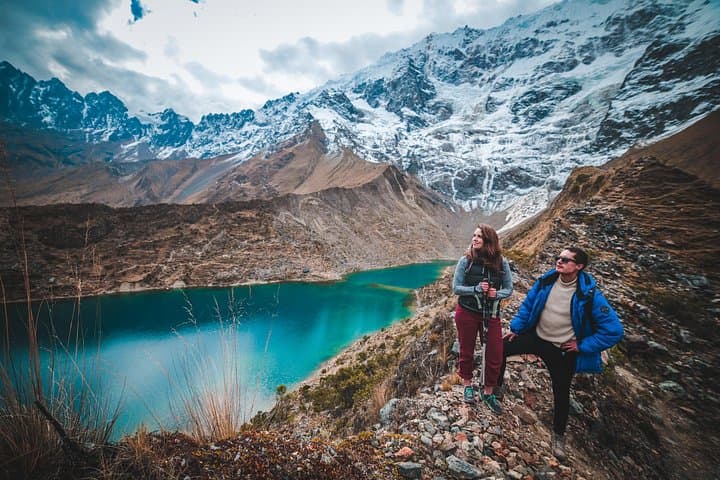
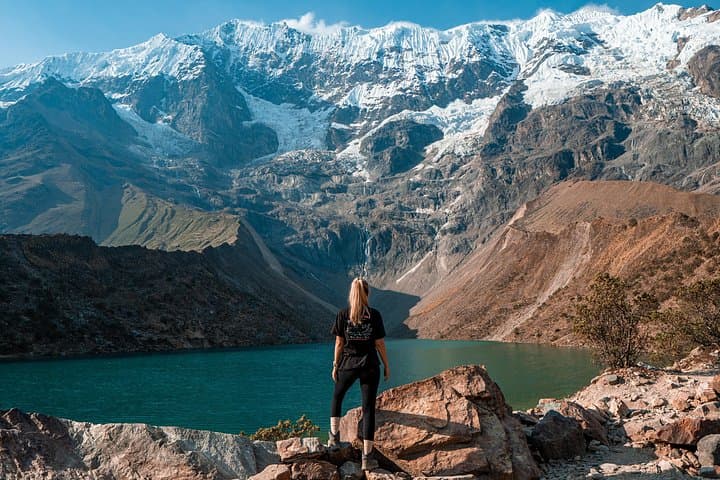
Before dawn you are moving—Cusco's streets still asleep as a private van climbs toward Challacancha. Cold air bites at 3,800 m; Salkantay looms like a patient giant and the trail threads upward through wind-swept moraine and glittering glacial cirques. By midday the sky brightens and Humantay Lake appears, a shock of turquoise cupped by snow. Over the next days the landscape changes with dramatic quickness: the high puna gives way to cloud forest, orchids appear, and the air grows humid as you drop toward Aguas Calientes and the jungle fringe of Machu Picchu.
Verified experiences and guided adventures in the surrounding area.
Operated by Salkantay Trekking · Cusco, Cusco
Before dawn you are moving—Cusco's streets still asleep as a private van climbs toward Challacancha. Cold air bites at 3,800 m; Salkantay looms like a patient giant and the trail threads upward through wind-swept moraine and glittering glacial cirques. By midday the sky brightens and Humantay Lake appears, a shock of turquoise cupped by snow. Over the next days the landscape changes with dramatic quickness: the high puna gives way to cloud forest, orchids appear, and the air grows humid as you drop toward Aguas Calientes and the jungle fringe of Machu Picchu.
This route follows pre-Columbian corridors and secondary Inca approaches—Llactapata and lower terraces offer direct links to the empire that engineered these high valleys. Geologically the trek moves from glacially carved peaks above 4,600 m to river-sculpted canyons and humid flanks where erosion and rainfall feed waterfalls and hot springs.
Local Quechua communities and coffee growers sustain the valley; a stop at a family farm illuminates traditional processing and the cash-crop rhythm that supports the guides, porters, and horsemen you meet.
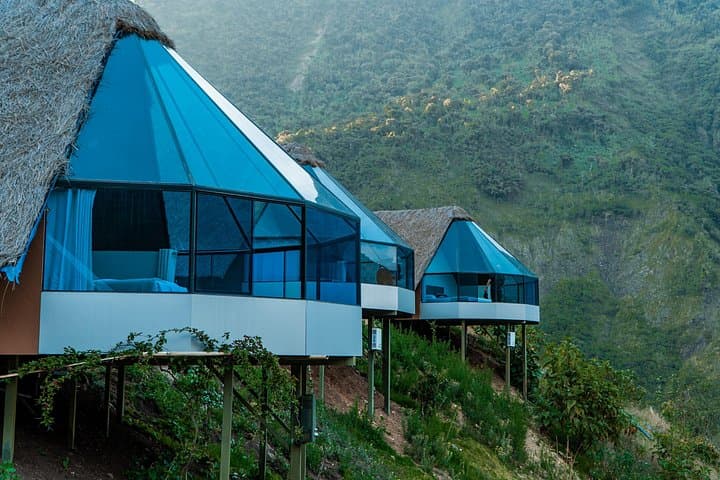
Practical guidance: this premium itinerary blends camping with upgraded domes and a hotel night in Aguas Calientes, includes meals and trained guides, and reaches Abra Salkantay at 4,630 m. Expect 5 days of hiking with several 6–8 hour days, large elevation swings, and wet weather possibilities—pack layered insulation, waterproofs, sturdy boots, and plan 48+ hours in Cusco before departure to acclimatize. Ride options and an emergency horse are available, but fitness and respect for altitude remain the trip’s decisive challenges.
challenging.
5 days.
Suitable for fit hikers accustomed to long uphill days and rapid altitude change; aerobic conditioning and stair or hill training recommended.
The itinerary reaches Abra Salkantay at about 4,630 m; many trekkers feel headaches or shortness of breath—proper acclimatization, hydration, and pacing reduce symptoms.
Yes—this premium package includes meals (breakfasts, lunches, dinners), private camping facilities, an experienced guide, chef, porters, and one hotel night in Aguas Calientes.
No specialized mountaineering gear is required—the route is high-altitude hiking rather than technical climbing; trekking poles and crampon-type gear are optional depending on season.
Children 12 and over may participate but must be accompanied by a responsible adult; the operator advises high fitness for all participants.
Sections of the route follow ancient Inca corridors and connect to sites like Llactapata, which offered strategic views toward Machu Picchu during the Inca era.
Stick to marked trails, avoid single-use plastics, and follow guide instructions; support for local porters and community-run coffee stops helps distribute tourism benefits sustainably.
Salkantay Trekking operates guided outdoor trips and adventures with an emphasis on safety, stewardship, and memorable experiences.
Before dawn you are moving—Cusco's streets still asleep as a private van climbs toward Challacancha. Cold air bites at 3,800 m; Salkantay looms like a patient giant and the trail threads upward through wind-swept moraine and glittering glacial cirques. By midday the sky brightens and Humantay Lake appears, a shock of turquoise cupped by snow. Over the next days the landscape changes with dramatic quickness: the high puna gives way to cloud forest, orchids appear, and the air grows humid as you drop toward Aguas Calientes and the jungle fringe of Machu Picchu.
Before dawn you are moving—Cusco's streets still asleep as a private van climbs toward Challacancha. Cold air bites at 3,800 m; Salkantay looms like a patient giant and the trail threads upward through wind-swept moraine and glittering glacial cirques. By midday the sky brightens and Humantay Lake appears, a shock of turquoise cupped by snow. Over the next days the landscape changes with dramatic quickness: the high puna gives way to cloud forest, orchids appear, and the air grows humid as you drop toward Aguas Calientes and the jungle fringe of Machu Picchu.
This route follows pre-Columbian corridors and secondary Inca approaches—Llactapata and lower terraces offer direct links to the empire that engineered these high valleys. Geologically the trek moves from glacially carved peaks above 4,600 m to river-sculpted canyons and humid flanks where erosion and rainfall feed waterfalls and hot springs.
Local Quechua communities and coffee growers sustain the valley; a stop at a family farm illuminates traditional processing and the cash-crop rhythm that supports the guides, porters, and horsemen you meet.
Practical guidance: this premium itinerary blends camping with upgraded domes and a hotel night in Aguas Calientes, includes meals and trained guides, and reaches Abra Salkantay at 4,630 m. Expect 5 days of hiking with several 6–8 hour days, large elevation swings, and wet weather possibilities—pack layered insulation, waterproofs, sturdy boots, and plan 48+ hours in Cusco before departure to acclimatize. Ride options and an emergency horse are available, but fitness and respect for altitude remain the trip’s decisive challenges.