THE ADVENTURE COLLECTIVE® · Independent discovery and booking for outdoor travel

Secure prebooked entry to the Cape of Good Hope Nature Reserve and Cape Point for hassle-free access to dramatic cliffs, the Cape Point lighthouse and abundant wildlife. This guide covers what to expect on the short lighthouse walks, historical context, and practical tips to plan your visit.
Secure prebooked entry to the Cape of Good Hope Nature Reserve and Cape Point for hassle-free access to dramatic cliffs, the Cape Point lighthouse and abundant wildlife. This guide covers what to expect on the short lighthouse walks, historical context, and practical tips to plan your visit.
The wind hits first — brisk, salt-laced and honest — as you pass through the Cape of Good Hope gate and step onto trails that tilt toward the ocean. Cliff faces drop away to the west where the currents clash, and the path threads through low, leathery fynbos that shivers in the breeze. Ahead, the Cape Point lighthouse perches on the headland, a pale marker against the sea.
Verified experiences and guided adventures in the surrounding area.
Operated by Ingwe Africa Safaris & Tours · Cape Town, Western Cape
The wind hits first — brisk, salt-laced and honest — as you pass through the Cape of Good Hope gate and step onto trails that tilt toward the ocean. Cliff faces drop away to the west where the currents clash, and the path threads through low, leathery fynbos that shivers in the breeze. Ahead, the Cape Point lighthouse perches on the headland, a pale marker against the sea.
Portuguese navigators left their names here two centuries ago; Dias and da Gama charted these capes and placed beacons that later drew ships and stories. Geologically, the promontory is ancient Table Mountain sandstone cut by wind and wave, creating steep cliffs, rocky beaches and a mosaic of endemic plants. Culturally, the area sits within Table Mountain National Park and has long been a crossroads for sailors, conservationists and local communities.
Practical details matter: the short walk from the lower car park to the upper lighthouse is roughly 600–800 m with about 80–120 m of elevation gain and takes 15–25 minutes. Trails are rocky and exposed; a paved service path leads to viewpoints while narrower singletrack drops toward Dias Beach. The Flying Dutchman Funicular reaches the lighthouse but requires a separate ticket; this entry grants access to the reserve only.
Expect to spend 1–3 hours exploring viewpoints, historic beacons and wildlife like baboons and grazing antelope. Bring layered windproof clothing, sun protection and water. Stay on designated paths, keep a respectful distance from animals, and plan driving time from Cape Town (about 60 km / 37 miles) to avoid peak crowds.
easy.
1–3 hours.
Suitable for most fitness levels; able to manage short uphill sections and uneven paths.
No — the prebooked entry covers park admission only; the funicular requires a separate ticket purchased on-site.
By road it's roughly 60 km (about 37 miles) and typically a 1–1.5 hour drive depending on traffic.
The paved walk from the lower car park to the upper lighthouse is short (15–25 minutes) with about 80–120 m of elevation gain; there are also steeper paths to lower viewpoints.
Yes—there are designated car parks near the main attractions; follow posted signs and park only in marked areas.
The cape was charted by Portuguese explorers in the 15th century; later lighthouses and beacons aided ships rounding Africa’s tip and the area is now part of Table Mountain National Park.
The reserve protects rare fynbos vegetation and coastal habitats—stay on trails, pack out waste, and don’t feed wildlife to limit human impact.
Ingwe Africa Safaris & Tours operates guided outdoor trips and adventures with an emphasis on safety, stewardship, and memorable experiences.

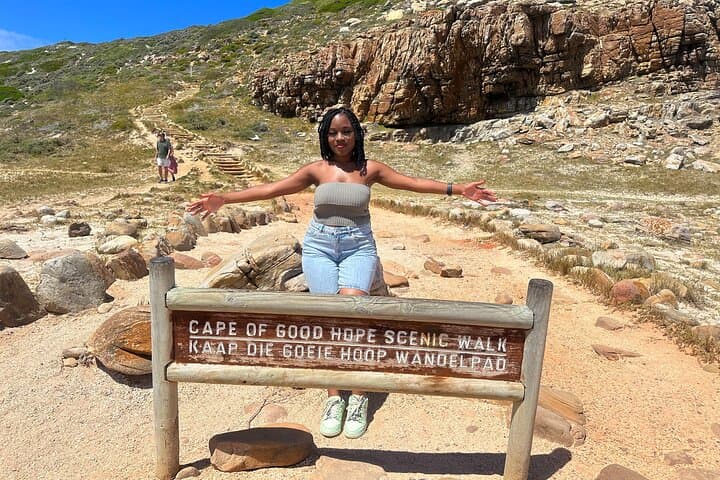

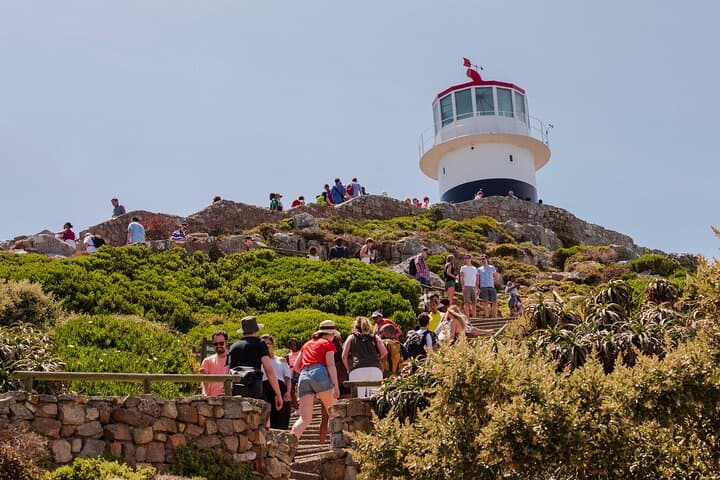
The wind hits first — brisk, salt-laced and honest — as you pass through the Cape of Good Hope gate and step onto trails that tilt toward the ocean. Cliff faces drop away to the west where the currents clash, and the path threads through low, leathery fynbos that shivers in the breeze. Ahead, the Cape Point lighthouse perches on the headland, a pale marker against the sea.
The wind hits first — brisk, salt-laced and honest — as you pass through the Cape of Good Hope gate and step onto trails that tilt toward the ocean. Cliff faces drop away to the west where the currents clash, and the path threads through low, leathery fynbos that shivers in the breeze. Ahead, the Cape Point lighthouse perches on the headland, a pale marker against the sea.
Portuguese navigators left their names here two centuries ago; Dias and da Gama charted these capes and placed beacons that later drew ships and stories. Geologically, the promontory is ancient Table Mountain sandstone cut by wind and wave, creating steep cliffs, rocky beaches and a mosaic of endemic plants. Culturally, the area sits within Table Mountain National Park and has long been a crossroads for sailors, conservationists and local communities.
Practical details matter: the short walk from the lower car park to the upper lighthouse is roughly 600–800 m with about 80–120 m of elevation gain and takes 15–25 minutes. Trails are rocky and exposed; a paved service path leads to viewpoints while narrower singletrack drops toward Dias Beach. The Flying Dutchman Funicular reaches the lighthouse but requires a separate ticket; this entry grants access to the reserve only.
Expect to spend 1–3 hours exploring viewpoints, historic beacons and wildlife like baboons and grazing antelope. Bring layered windproof clothing, sun protection and water. Stay on designated paths, keep a respectful distance from animals, and plan driving time from Cape Town (about 60 km / 37 miles) to avoid peak crowds.