THE ADVENTURE COLLECTIVE® · Independent discovery and booking for outdoor travel

A full‑day, guided excursion from Barcelona that pairs a moderate hike along the Collsacabra cliffs with a guided visit to Rupit’s medieval streets. Expect dramatic limestone viewpoints, chestnut forests, and a local lunch option in a historic village.
A full‑day, guided excursion from Barcelona that pairs a moderate hike along the Collsacabra cliffs with a guided visit to Rupit’s medieval streets. Expect dramatic limestone viewpoints, chestnut forests, and a local lunch option in a historic village.
You step out of the minivan and the air changes—cooler, drier, carrying the scent of pine and limestone. The trail rises immediately, a narrow ribbon across the Collsacabra cliffs that feels like a natural balcony over the Susqueda reservoir. Rock faces lean in, trees lean back; the wind plays along the escarpment and the cliffs answer with distant gulls and the cry of raptors.
Verified experiences and guided adventures in the surrounding area.
Operated by Catalan Trails · Rupit, Catalonia
You step out of the minivan and the air changes—cooler, drier, carrying the scent of pine and limestone. The trail rises immediately, a narrow ribbon across the Collsacabra cliffs that feels like a natural balcony over the Susqueda reservoir. Rock faces lean in, trees lean back; the wind plays along the escarpment and the cliffs answer with distant gulls and the cry of raptors.
This landscape is carved from Mesozoic limestones uplifted and faulted during the Pyrenean orogeny, then washed into the dramatic escarpments you cross today. Rupit’s cobbled alleys recall the town’s medieval growth around 12th–16th century stonework, bridges and farmsteads; local culture still revolves around seasonal farming and simple Catalan cuisine.
On trail you’ll pass chestnut and oak woodland, skirt shale scree and reach lookout points where Salt de Sallent, Catalonia’s highest waterfall, drops from the plateau. Eagles and vultures use the cliffs as thermals—watch without disturbing their thermals or nests.
Practical guidance: the route is a guided, moderate 3‑hour walk within a 9‑hour day that includes transport and a town tour. Wear sturdy hiking shoes with grip for mixed rock and dirt, bring layers—Rupit sits higher and is colder than Barcelona—carry 1–2 liters of water and snacks. The operator provides a bottle of water and hiking poles if needed; lunch is typically in a local restaurant and not included unless pre-booked.
Timing matters: go early in shoulder seasons to avoid heat and to catch raptor activity. Stick to marked trails to protect fragile cliff-side vegetation and archaeological sites.
moderate.
9 hours (full-day); ~3 hours hiking.
Moderate fitness—comfortable walking on uneven trails with short elevation changes
The guided hike is about 3 hours across mixed terrain; the overall experience is a 9‑hour full‑day trip including transport and a town tour.
Lunch is not included by default; the operator can reserve a traditional local restaurant in Rupit for you if requested.
Families with older, active children can join, but participants should have moderate fitness and be steady on uneven trails; the tour requires a minimum of two people.
You may spot raptors such as eagles or vultures near the cliffs and, in forested sections, wild boar or small passerines—maintain distance and avoid disturbing animals.
Rupit expanded as a medieval farming and market village from the 12th century; many stone houses and the old bridge date from the 16th century onward.
Trails cross sensitive cliff ecosystems and raptor territories—stick to paths, pack out waste, and avoid drone use to reduce disturbance.
Catalan Trails operates guided outdoor trips and adventures with an emphasis on safety, stewardship, and memorable experiences.
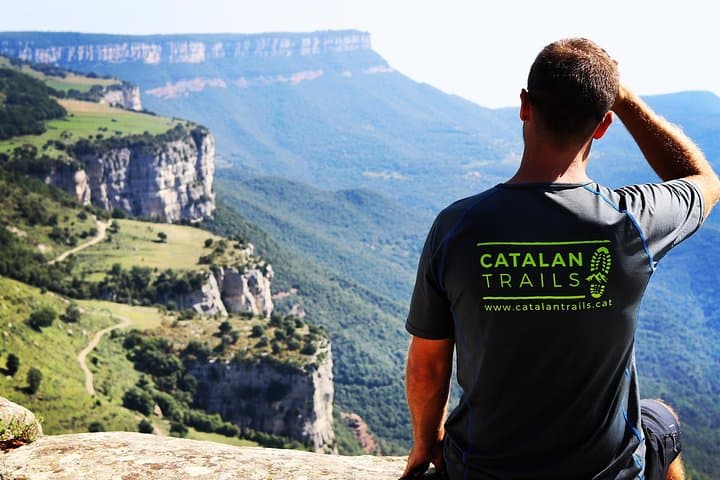
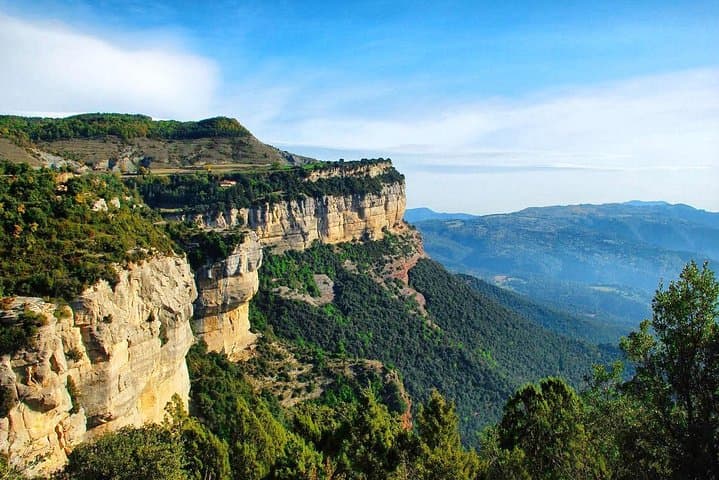
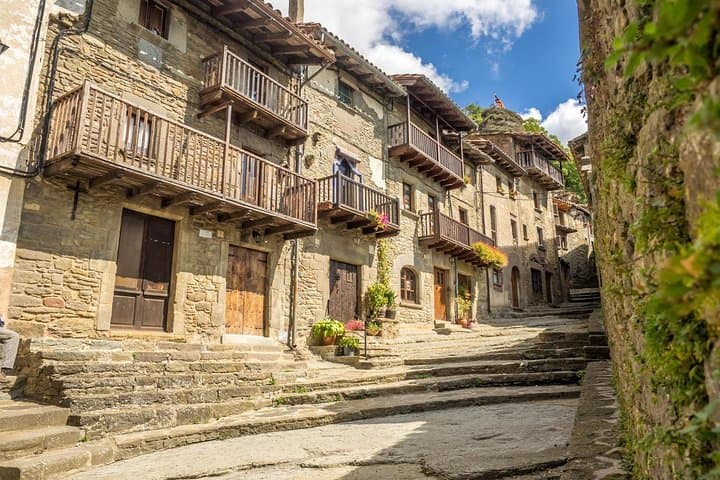
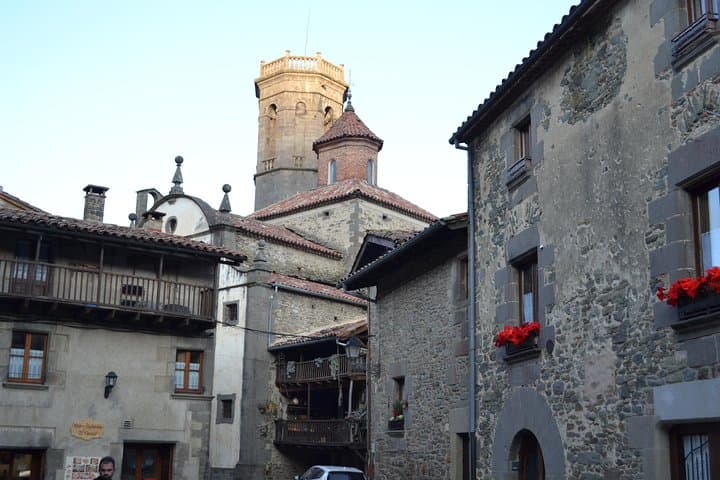
You step out of the minivan and the air changes—cooler, drier, carrying the scent of pine and limestone. The trail rises immediately, a narrow ribbon across the Collsacabra cliffs that feels like a natural balcony over the Susqueda reservoir. Rock faces lean in, trees lean back; the wind plays along the escarpment and the cliffs answer with distant gulls and the cry of raptors.
You step out of the minivan and the air changes—cooler, drier, carrying the scent of pine and limestone. The trail rises immediately, a narrow ribbon across the Collsacabra cliffs that feels like a natural balcony over the Susqueda reservoir. Rock faces lean in, trees lean back; the wind plays along the escarpment and the cliffs answer with distant gulls and the cry of raptors.
This landscape is carved from Mesozoic limestones uplifted and faulted during the Pyrenean orogeny, then washed into the dramatic escarpments you cross today. Rupit’s cobbled alleys recall the town’s medieval growth around 12th–16th century stonework, bridges and farmsteads; local culture still revolves around seasonal farming and simple Catalan cuisine.
On trail you’ll pass chestnut and oak woodland, skirt shale scree and reach lookout points where Salt de Sallent, Catalonia’s highest waterfall, drops from the plateau. Eagles and vultures use the cliffs as thermals—watch without disturbing their thermals or nests.
Practical guidance: the route is a guided, moderate 3‑hour walk within a 9‑hour day that includes transport and a town tour. Wear sturdy hiking shoes with grip for mixed rock and dirt, bring layers—Rupit sits higher and is colder than Barcelona—carry 1–2 liters of water and snacks. The operator provides a bottle of water and hiking poles if needed; lunch is typically in a local restaurant and not included unless pre-booked.
Timing matters: go early in shoulder seasons to avoid heat and to catch raptor activity. Stick to marked trails to protect fragile cliff-side vegetation and archaeological sites.