THE ADVENTURE COLLECTIVE® · Independent discovery and booking for outdoor travel

A compact overnight trek to a holy alpine lake, Prashar Lake pairs a three‑storied pagoda and a curious floating island with sweeping views of the Dhauladhar and Pir Panjal. This practical guide outlines what to expect on the 2‑day trek, terrain notes, and planning tips.
A compact overnight trek to a holy alpine lake, Prashar Lake pairs a three‑storied pagoda and a curious floating island with sweeping views of the Dhauladhar and Pir Panjal. This practical guide outlines what to expect on the 2‑day trek, terrain notes, and planning tips.
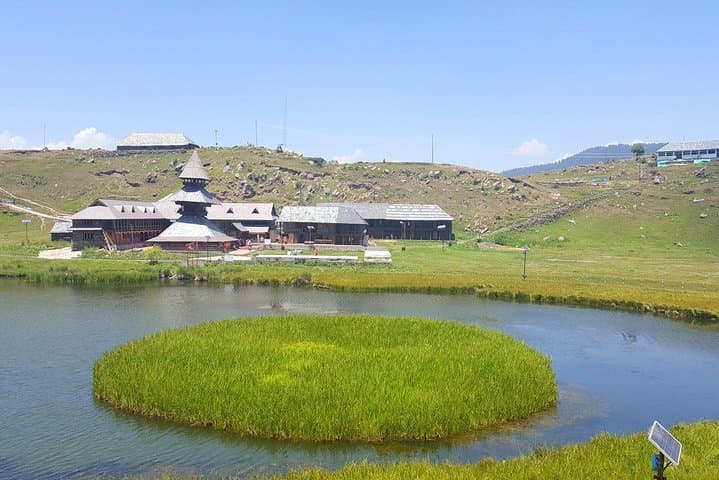
The air thins as you crest the last ridge and the lake unfolds — a clear, deep blue cupped by green meadows and a three‑storied pagoda that seems to watch the high ranges. Prashar Lake sits at 2,730 meters; the path hums with pine-scented wind and the quiet interruption of mountain birds. A short walk around the roughly 300‑meter perimeter gives you time to read the water, spot fish beneath the surface, and study the mysterious floating island that appears to drift free of shore.
Verified experiences and guided adventures in the surrounding area.
Operated by International Youth Club · Panarsa, Himachal Pradesh
The air thins as you crest the last ridge and the lake unfolds — a clear, deep blue cupped by green meadows and a three‑storied pagoda that seems to watch the high ranges. Prashar Lake sits at 2,730 meters; the path hums with pine-scented wind and the quiet interruption of mountain birds. A short walk around the roughly 300‑meter perimeter gives you time to read the water, spot fish beneath the surface, and study the mysterious floating island that appears to drift free of shore.
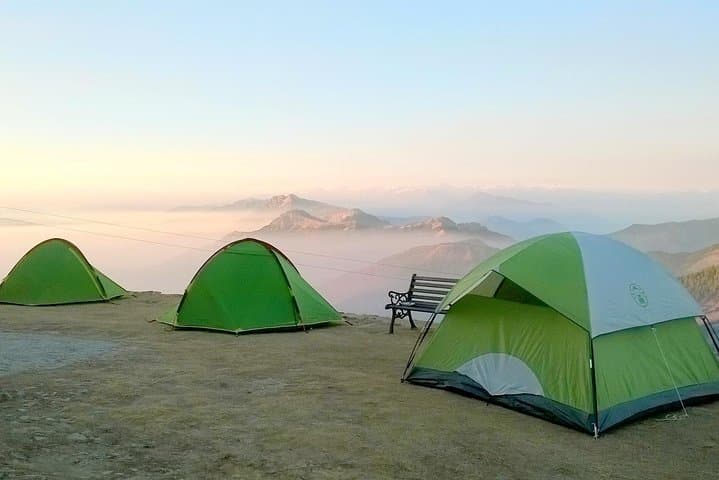
This place is part shrine and part alpine basin: the pagoda temple honors sage Prashar and has long drawn local pilgrims. Geologically the bowl is carved into high Himalayan foothills, offering unobstructed views of the Dhauladhar, Pir Panjal and farther Great Himalayas. Meadows cradle the campsite and the surrounding alpine forest filters light into pockets of shade.
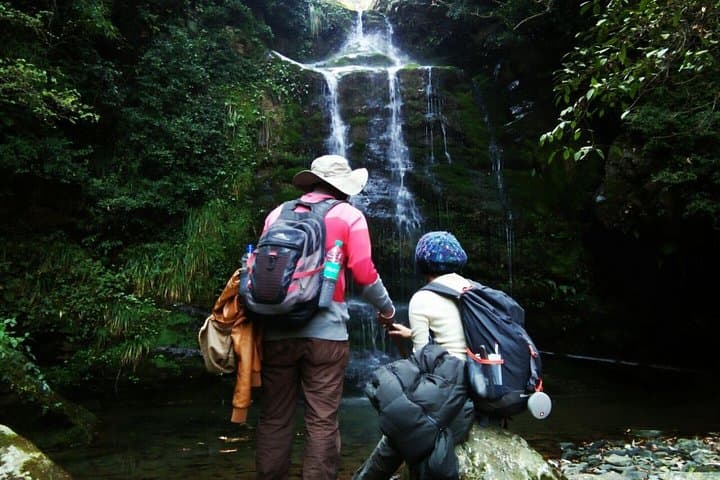
Practically, the standard itinerary uses Panarsa as a staging point and a jeep road to Jwalapur before the uphill approach to the lake; the trip is run as an overnight 2‑day trek with guided camping and simple homestay options. Expect intermittent rocky sections, grassy ledges and a steady climb; altitude is moderate but noticeable. Bring layered insulation for cold nights, sun protection for daytime exposure, and plan shorter hiking sessions for acclimatization. Water is scarce above the village level — treat or carry enough. Early morning rewards clear mountain vistas; afternoons can cloud in. Respect the temple and fragile meadows: pack out waste, keep fires confined to established sites, and leave the floating island to its quiet drift.
moderate.
2 days (overnight).
Suitable for visitors with basic fitness who can manage several hours of uphill walking; short breaks recommended for acclimatization.
The trip is typically run as a 2‑day itinerary: drive to Jwalapur then an uphill trek to the lake on day one, overnight camp or homestay, and descent back the next day.
There is no formal national park permit required for Prashar Lake, but local entry contributions or temple donations are common; your operator handles logistics.
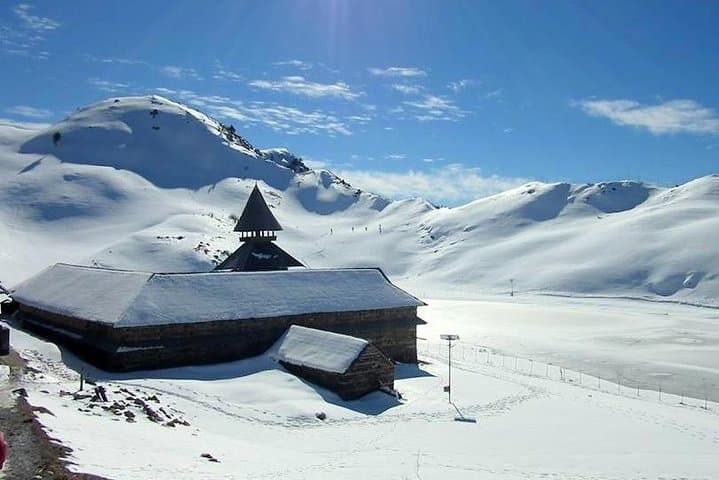
Access is easiest late spring through early autumn; heavy winter snow can make the approach more difficult and may require snow gear.
At 2,730 m the risk is moderate; most travelers acclimatize with a slow start, hydration, and rest—seek medical help if symptoms worsen.
The pagoda‑style Prashar Temple is dedicated to the sage Prashar and has been a local pilgrimage site for generations, blending spiritual use with seasonal shepherding.
The area’s alpine meadows are fragile; minimize impact by using established campsites, packing out waste, and avoiding open fires where prohibited.
International Youth Club operates guided outdoor trips and adventures with an emphasis on safety, stewardship, and memorable experiences.
The air thins as you crest the last ridge and the lake unfolds — a clear, deep blue cupped by green meadows and a three‑storied pagoda that seems to watch the high ranges. Prashar Lake sits at 2,730 meters; the path hums with pine-scented wind and the quiet interruption of mountain birds. A short walk around the roughly 300‑meter perimeter gives you time to read the water, spot fish beneath the surface, and study the mysterious floating island that appears to drift free of shore.
The air thins as you crest the last ridge and the lake unfolds — a clear, deep blue cupped by green meadows and a three‑storied pagoda that seems to watch the high ranges. Prashar Lake sits at 2,730 meters; the path hums with pine-scented wind and the quiet interruption of mountain birds. A short walk around the roughly 300‑meter perimeter gives you time to read the water, spot fish beneath the surface, and study the mysterious floating island that appears to drift free of shore.
This place is part shrine and part alpine basin: the pagoda temple honors sage Prashar and has long drawn local pilgrims. Geologically the bowl is carved into high Himalayan foothills, offering unobstructed views of the Dhauladhar, Pir Panjal and farther Great Himalayas. Meadows cradle the campsite and the surrounding alpine forest filters light into pockets of shade.
Practically, the standard itinerary uses Panarsa as a staging point and a jeep road to Jwalapur before the uphill approach to the lake; the trip is run as an overnight 2‑day trek with guided camping and simple homestay options. Expect intermittent rocky sections, grassy ledges and a steady climb; altitude is moderate but noticeable. Bring layered insulation for cold nights, sun protection for daytime exposure, and plan shorter hiking sessions for acclimatization. Water is scarce above the village level — treat or carry enough. Early morning rewards clear mountain vistas; afternoons can cloud in. Respect the temple and fragile meadows: pack out waste, keep fires confined to established sites, and leave the floating island to its quiet drift.