THE ADVENTURE COLLECTIVE® · Independent discovery and booking for outdoor travel

Spend three full days moving through Angkor’s major temples and the jungle-claimed Beng Mealea. Expect long walking days, dramatic sunrises, a Tonle Sap cruise, and authentic Khmer meals—ideal for travelers wanting cultural depth with practical logistics taken care of.
Spend three full days moving through Angkor’s major temples and the jungle-claimed Beng Mealea. Expect long walking days, dramatic sunrises, a Tonle Sap cruise, and authentic Khmer meals—ideal for travelers wanting cultural depth with practical logistics taken care of.
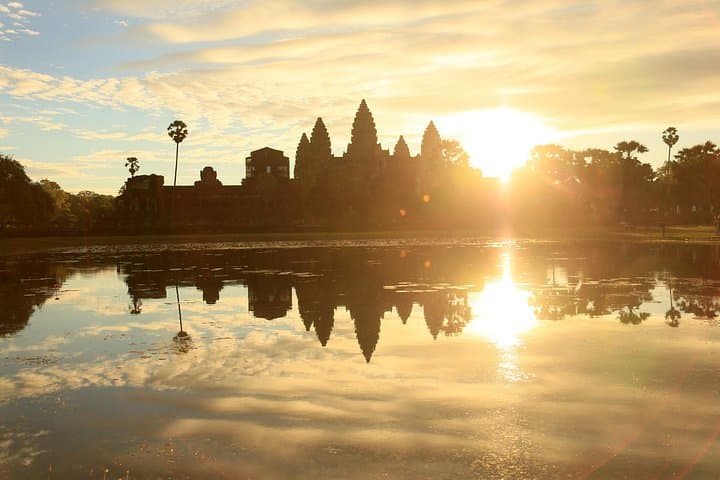
You arrive before dawn, rickshaw wheels whispering on cracked pavement while a band of early light pries the first shadows from Angkor Wat’s gilt towers. The causeway is cool beneath your feet; temple stones hold the day’s heat like a slow-burning memory. Around you, the spires and strangling roots of Ta Prohm breathe—alive, deliberate, and indifferent to the cameras.
Verified experiences and guided adventures in the surrounding area.
Operated by サザンブリーズ · Siem Reap, Siem Reap
You arrive before dawn, rickshaw wheels whispering on cracked pavement while a band of early light pries the first shadows from Angkor Wat’s gilt towers. The causeway is cool beneath your feet; temple stones hold the day’s heat like a slow-burning memory. Around you, the spires and strangling roots of Ta Prohm breathe—alive, deliberate, and indifferent to the cameras.
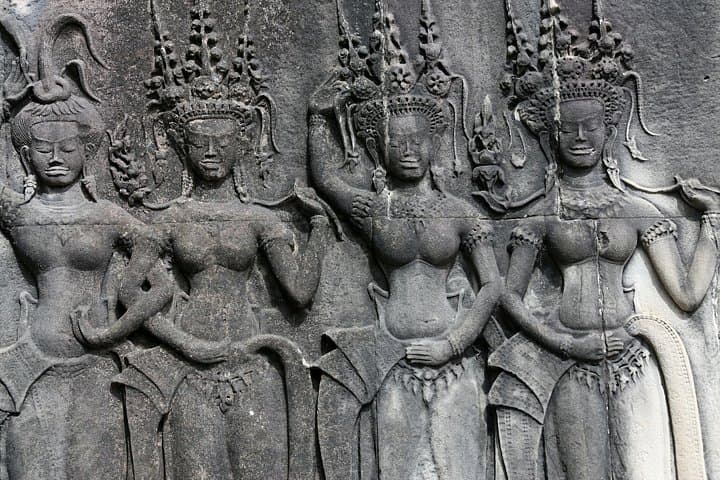
These three days trace the arc of the Khmer Empire: Angkor Wat’s sandstone bas-reliefs speak of kings and cosmology carved in the 12th century, while Angkor Thom’s Bayon shows faces that watch the world change. Beng Mealea, further east, offers a wilder reading—collapsed galleries and fallen lintels left to the jungle, where vines and crickets rewrite architecture into landscape.
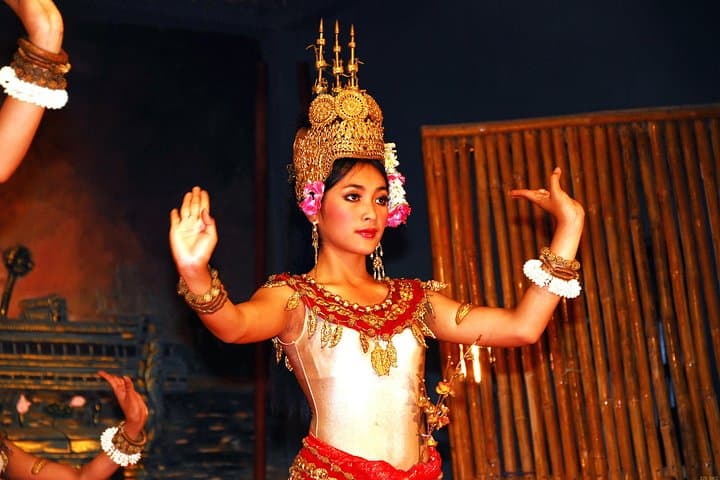
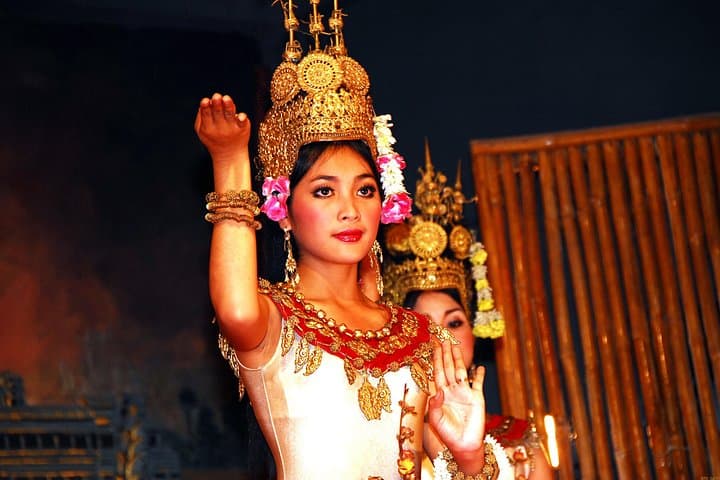
Geologically the region is flat Mekong floodplain: laterite foundations support temples of soft sandstone, which erodes quickly under tropical rain and root pressure. Culturally, expect a living heritage—monks in saffron, local vendors selling palm sugar, and Apsara dancers who carry myth in gesture.
Practical guidance: start each day early to avoid heat and crowds; sunscreen, a wide-brim hat, and steady shoes for uneven stone are non-negotiable. Carry small bills for tips, support local eateries for authentic Khmer meals, and respect temple rules—no bare shoulders or loud behavior inside sanctuaries. The itinerary mixes long driving stretches, boat time on Tonle Sap, and multiple walking loops—plan for full, active days rather than gentle sightseeing.
By dusk, after a sunset at Pre Rup or the slow float of Tonle Sap, the temples close ranks and the next traveler’s silhouette becomes part of the ruin’s ongoing story.
moderate.
3 days (full-day sightseeing each day).
Good endurance for multiple long days of walking and short hikes over uneven temple terrain; comfortable mobility required.
Yes—this tour includes the necessary Angkor archaeological park entrance tickets as listed in the itinerary.
Visa support is provided by the operator, but confirm entry requirements for your nationality and carry your passport and any required documents.
Expect several hours of walking across uneven stone, steps, and short jungle trails—days are full but broken by vehicle transfers and rest stops.
Water levels vary seasonally; in the dry season boats navigate narrower channels and the boat experience focuses on stilt villages and birdlife.
Angkor was the capital of the Khmer Empire from the 9th to 15th centuries, its monumental temples built primarily from soft sandstone and laterite.
Angkor is a UNESCO site with ongoing conservation; visitors should not climb fragile carvings, avoid touching bas-reliefs, and support local guides and community-run businesses.
サザンブリーズ operates guided outdoor trips and adventures with an emphasis on safety, stewardship, and memorable experiences.
You arrive before dawn, rickshaw wheels whispering on cracked pavement while a band of early light pries the first shadows from Angkor Wat’s gilt towers. The causeway is cool beneath your feet; temple stones hold the day’s heat like a slow-burning memory. Around you, the spires and strangling roots of Ta Prohm breathe—alive, deliberate, and indifferent to the cameras.
You arrive before dawn, rickshaw wheels whispering on cracked pavement while a band of early light pries the first shadows from Angkor Wat’s gilt towers. The causeway is cool beneath your feet; temple stones hold the day’s heat like a slow-burning memory. Around you, the spires and strangling roots of Ta Prohm breathe—alive, deliberate, and indifferent to the cameras.
These three days trace the arc of the Khmer Empire: Angkor Wat’s sandstone bas-reliefs speak of kings and cosmology carved in the 12th century, while Angkor Thom’s Bayon shows faces that watch the world change. Beng Mealea, further east, offers a wilder reading—collapsed galleries and fallen lintels left to the jungle, where vines and crickets rewrite architecture into landscape.
Geologically the region is flat Mekong floodplain: laterite foundations support temples of soft sandstone, which erodes quickly under tropical rain and root pressure. Culturally, expect a living heritage—monks in saffron, local vendors selling palm sugar, and Apsara dancers who carry myth in gesture.
Practical guidance: start each day early to avoid heat and crowds; sunscreen, a wide-brim hat, and steady shoes for uneven stone are non-negotiable. Carry small bills for tips, support local eateries for authentic Khmer meals, and respect temple rules—no bare shoulders or loud behavior inside sanctuaries. The itinerary mixes long driving stretches, boat time on Tonle Sap, and multiple walking loops—plan for full, active days rather than gentle sightseeing.
By dusk, after a sunset at Pre Rup or the slow float of Tonle Sap, the temples close ranks and the next traveler’s silhouette becomes part of the ruin’s ongoing story.