THE ADVENTURE COLLECTIVE® · Independent discovery and booking for outdoor travel

Pair ancient Hindu temples with a rugged Merapi jeep ride on this private day trip from Yogyakarta. Walk carved 9th‑century temples then bounce over lava‑scoured tracks to observe volcanic landscapes and local eruption relics.
Pair ancient Hindu temples with a rugged Merapi jeep ride on this private day trip from Yogyakarta. Walk carved 9th‑century temples then bounce over lava‑scoured tracks to observe volcanic landscapes and local eruption relics.
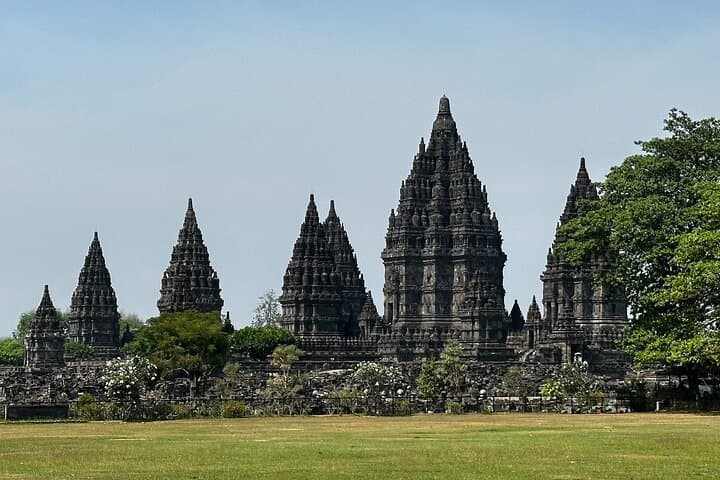
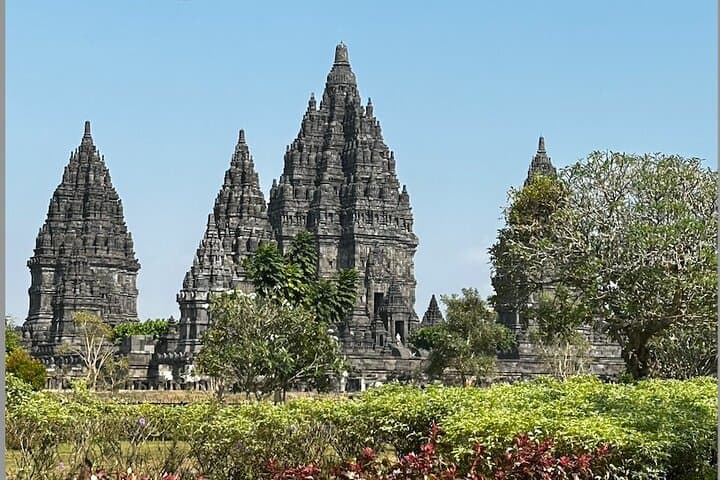
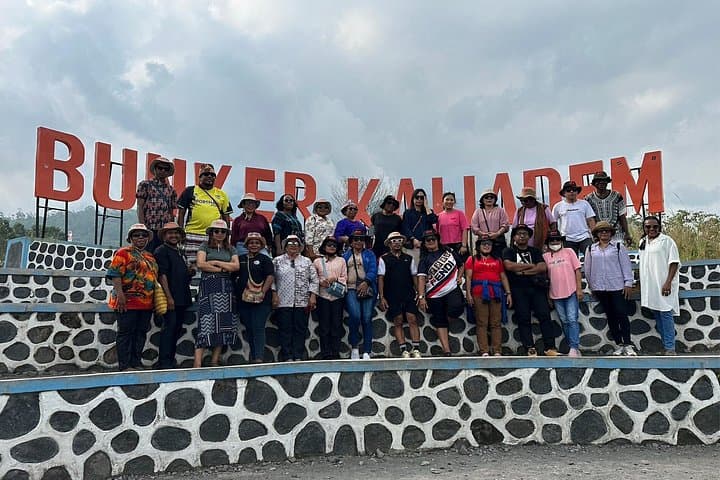
Dawn light slides across stone reliefs as you step into Prambanan’s courtyard—shadows carve the Ramayana panels while the central spires lift toward the sky. Later, a Land Cruiser rumbles onto blackened tracks, and Mount Merapi’s slopes loom; the volcano seems to breathe history and heat as you approach the bunker and the yellow riverbed where past flows reshaped the land.
Verified experiences and guided adventures in the surrounding area.
Operated by Gemilang Travel Pack · Yogyakarta, Special Region of Yogyakarta
Dawn light slides across stone reliefs as you step into Prambanan’s courtyard—shadows carve the Ramayana panels while the central spires lift toward the sky. Later, a Land Cruiser rumbles onto blackened tracks, and Mount Merapi’s slopes loom; the volcano seems to breathe history and heat as you approach the bunker and the yellow riverbed where past flows reshaped the land.
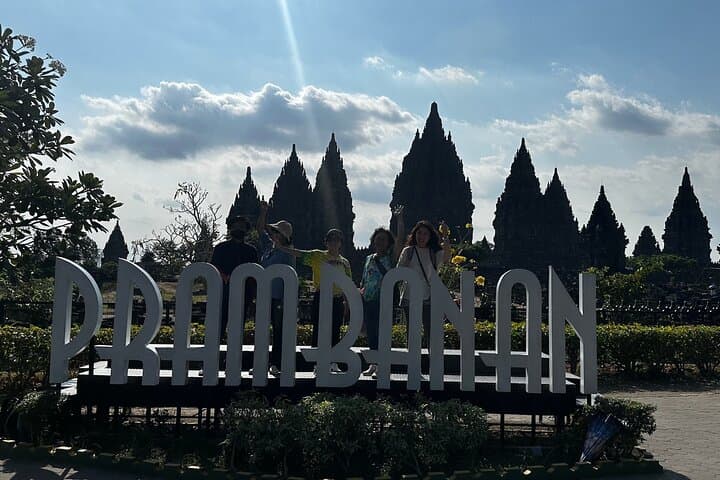
Prambanan is a 9th‑century Hindu complex built by the Mataram kingdom, its three main temples honoring the Trimurti. The site's volcanic setting is no accident: Merapi, one of Indonesia’s most active volcanoes (summit ~2,930 m), has repeatedly rewritten the surrounding landscape and local livelihoods. Cultural rhythms—from ritual offerings to village agriculture—still follow patterns set centuries ago.
On the Merapi lava tour you’ll visit eruption relics, a local eruption museum, and take short off‑road sections along Kali Kuning (the “yellow river”), where hardened ash and pumice tell a recent geological story. Expect uneven ground, short stair climbs at temple platforms, and bumpy jeep rides that put you close to raw terrain without technical climbing.
Practical guidance: aim for early morning or late afternoon for softer light and cooler temperatures, carry 1–2 liters of water, wear sturdy closed‑toe shoes for both temple stones and jeep exits, and bring a light rain layer—tropical weather is changeable. Check local advisories for Merapi activity; guides will route around restricted zones. With basic preparation, this private blend of culture and volcanic adventure delivers vivid contrasts—carved stone cool beneath a sun that remembers the molten history of the island.
moderate.
7 hours.
Light to moderate fitness: able to walk 1–2 km on uneven ground, climb short flights of stairs, and tolerate bumpy jeep rides.
The private tour runs about 7 hours and typically includes private transport, English‑speaking driver/guide, entrance fees, bottled water, and the jeep hire for the Merapi lava tour.
Guides follow current safety advisories and restricted‑zone rules; you will visit safe observation points such as the bunker and museum but never enter prohibited areas—always confirm activity status before booking.
No technical experience required; the trip suits most travelers who can manage short walks, stairs, and bumpy jeep rides.
Yes—modest dress is recommended: cover shoulders and knees out of respect for the sacred site; you can bring a sarong or scarf if needed.
Prambanan was built in the 9th century by the Sanjaya dynasty as a Hindu temple complex; Mount Merapi has been an active influence on local settlement patterns for centuries, with major eruptions reshaping villages in recent decades.
Prambanan is an actively conserved UNESCO site—stay on marked paths and avoid touching reliefs; Merapi’s slopes are prone to erosion and habitat disturbance, so follow guides and minimize off‑trail impact.
Gemilang Travel Pack operates guided outdoor trips and adventures with an emphasis on safety, stewardship, and memorable experiences.
Dawn light slides across stone reliefs as you step into Prambanan’s courtyard—shadows carve the Ramayana panels while the central spires lift toward the sky. Later, a Land Cruiser rumbles onto blackened tracks, and Mount Merapi’s slopes loom; the volcano seems to breathe history and heat as you approach the bunker and the yellow riverbed where past flows reshaped the land.
Dawn light slides across stone reliefs as you step into Prambanan’s courtyard—shadows carve the Ramayana panels while the central spires lift toward the sky. Later, a Land Cruiser rumbles onto blackened tracks, and Mount Merapi’s slopes loom; the volcano seems to breathe history and heat as you approach the bunker and the yellow riverbed where past flows reshaped the land.
Prambanan is a 9th‑century Hindu complex built by the Mataram kingdom, its three main temples honoring the Trimurti. The site's volcanic setting is no accident: Merapi, one of Indonesia’s most active volcanoes (summit ~2,930 m), has repeatedly rewritten the surrounding landscape and local livelihoods. Cultural rhythms—from ritual offerings to village agriculture—still follow patterns set centuries ago.
On the Merapi lava tour you’ll visit eruption relics, a local eruption museum, and take short off‑road sections along Kali Kuning (the “yellow river”), where hardened ash and pumice tell a recent geological story. Expect uneven ground, short stair climbs at temple platforms, and bumpy jeep rides that put you close to raw terrain without technical climbing.
Practical guidance: aim for early morning or late afternoon for softer light and cooler temperatures, carry 1–2 liters of water, wear sturdy closed‑toe shoes for both temple stones and jeep exits, and bring a light rain layer—tropical weather is changeable. Check local advisories for Merapi activity; guides will route around restricted zones. With basic preparation, this private blend of culture and volcanic adventure delivers vivid contrasts—carved stone cool beneath a sun that remembers the molten history of the island.