THE ADVENTURE COLLECTIVE® · Independent discovery and booking for outdoor travel

Walk Praia’s historic Plateau with a local guide to see colonial buildings, the municipal market, and Cape Verdean street life. This short urban tour mixes history, market stops, and practical tips for exploring the capital on foot.
Walk Praia’s historic Plateau with a local guide to see colonial buildings, the municipal market, and Cape Verdean street life. This short urban tour mixes history, market stops, and practical tips for exploring the capital on foot.
Morning light spills over Alexandre Albuquerque Square and the guide waits by the fountain—this is where the story of Praia’s Plateau begins. On a compact walk through Cape Verde’s capital, visitors move from the ceremonial facades of the Presidential Palace past Jaime Mota Barracks, through narrow streets that still carry the grit of Portuguese colonial planning and the salt of Atlantic trade.
Verified experiences and guided adventures in the surrounding area.
Operated by Bu Country Tours · Praia, Santiago
Morning light spills over Alexandre Albuquerque Square and the guide waits by the fountain—this is where the story of Praia’s Plateau begins. On a compact walk through Cape Verde’s capital, visitors move from the ceremonial facades of the Presidential Palace past Jaime Mota Barracks, through narrow streets that still carry the grit of Portuguese colonial planning and the salt of Atlantic trade.
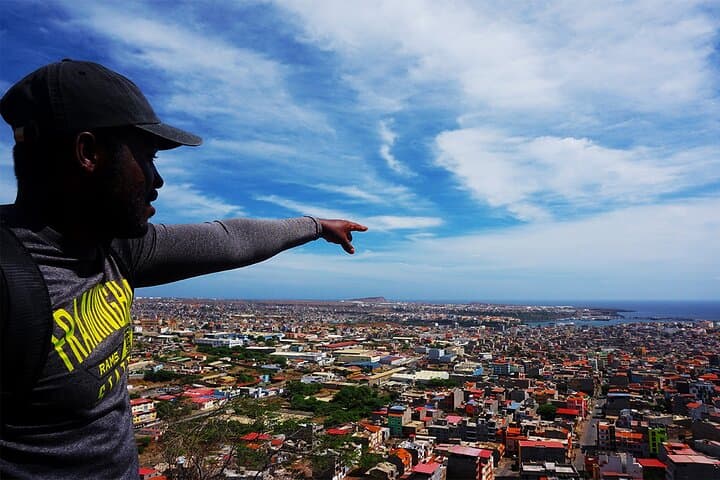
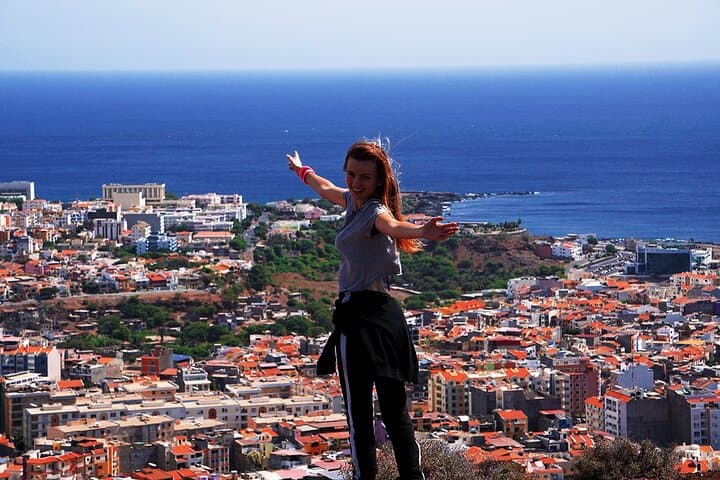
Praia sits on Santiago Island’s leeward coast, a city grown from a 16th-century anchorage into a chaotic, sun-baked capital. Geology here is volcanic: black basalt cliffs and coarse sandy beaches frame neighborhoods, while centuries of trade shaped the city’s multicultural character—African, Portuguese, and Brazilian links visible in building styles and market offerings.
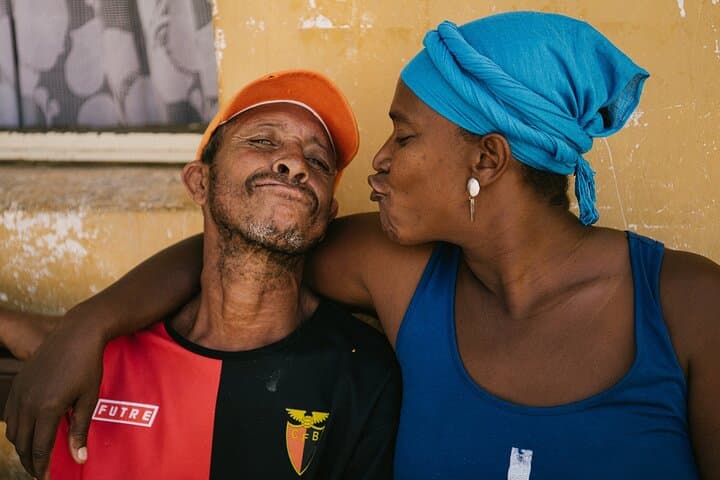
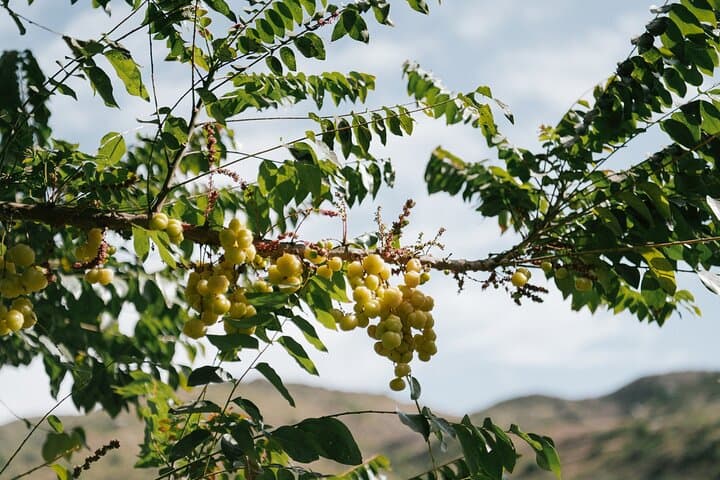
The itinerary threads culture and commerce: the municipal market (closed Sundays) offers seasonal organic fruits and the pulse of local life; the Diogo Gomes monument marks the island’s contact-era history; and a bustling souvenir market brings contemporary craft and commerce together.
Practical guidance: the tour lasts roughly 1–2 hours across mostly paved streets with short climbs and stairs—comfortable walking shoes and sun protection are essential. Expect friendly haggling at stalls and opportunities to sample fruit at your own expense. Guides often help with directions back to nearby hotels or transport hubs.
Timing matters—early morning or late afternoon keeps heat low and markets lively. Travel light, carry local cash for purchases, and leave room to explore post-tour: a short detour to Quebra Canela beach or the Museu Etnográfico adds local flavor without strain.
easy.
1–2 hours.
Suitable for most fitness levels; involves moderate, flat walking with occasional stairs.
The guided walk runs approximately 60–120 minutes depending on pace and group size.
Yes—infants must sit on laps; the route is family-friendly though some streets have steps.
Tastings are at your own expense; the guide can point you to recommended stalls and items to try.
Guides typically speak Portuguese and at least one other language—confirm at booking for specific language needs.
Praia’s Plateau became the colonial administrative center in the 19th century; its grid of public buildings reflects Portuguese urban planning tied to Atlantic commerce.
Support local vendors and minimize plastic use—Santiago faces water scarcity and coastal pressure, so low-impact choices help preserve communities and shorelines.
Bu Country Tours operates guided outdoor trips and adventures with an emphasis on safety, stewardship, and memorable experiences.
Morning light spills over Alexandre Albuquerque Square and the guide waits by the fountain—this is where the story of Praia’s Plateau begins. On a compact walk through Cape Verde’s capital, visitors move from the ceremonial facades of the Presidential Palace past Jaime Mota Barracks, through narrow streets that still carry the grit of Portuguese colonial planning and the salt of Atlantic trade.
Morning light spills over Alexandre Albuquerque Square and the guide waits by the fountain—this is where the story of Praia’s Plateau begins. On a compact walk through Cape Verde’s capital, visitors move from the ceremonial facades of the Presidential Palace past Jaime Mota Barracks, through narrow streets that still carry the grit of Portuguese colonial planning and the salt of Atlantic trade.
Praia sits on Santiago Island’s leeward coast, a city grown from a 16th-century anchorage into a chaotic, sun-baked capital. Geology here is volcanic: black basalt cliffs and coarse sandy beaches frame neighborhoods, while centuries of trade shaped the city’s multicultural character—African, Portuguese, and Brazilian links visible in building styles and market offerings.
The itinerary threads culture and commerce: the municipal market (closed Sundays) offers seasonal organic fruits and the pulse of local life; the Diogo Gomes monument marks the island’s contact-era history; and a bustling souvenir market brings contemporary craft and commerce together.
Practical guidance: the tour lasts roughly 1–2 hours across mostly paved streets with short climbs and stairs—comfortable walking shoes and sun protection are essential. Expect friendly haggling at stalls and opportunities to sample fruit at your own expense. Guides often help with directions back to nearby hotels or transport hubs.
Timing matters—early morning or late afternoon keeps heat low and markets lively. Travel light, carry local cash for purchases, and leave room to explore post-tour: a short detour to Quebra Canela beach or the Museu Etnográfico adds local flavor without strain.