THE ADVENTURE COLLECTIVE® · Independent discovery and booking for outdoor travel

Walk the actual streets where Prague’s WWII history unfolded with a Czech historian who brings primary research and eyewitness accounts to life. This 2.5-hour semi-private tour visits assassination sites, the Parachutists’ Church, former Gestapo headquarters, and stories of rescue and uprising.
Walk the actual streets where Prague’s WWII history unfolded with a Czech historian who brings primary research and eyewitness accounts to life. This 2.5-hour semi-private tour visits assassination sites, the Parachutists’ Church, former Gestapo headquarters, and stories of rescue and uprising.
The street bends and cobblestones of Prague carry the weight of the mid-20th century; here a tram rattles past buildings that watched occupation, resistance, and the slow unspooling of history.
Verified experiences and guided adventures in the surrounding area.
Operated by Prague: Local Historian Tours · Prague, Prague
The street bends and cobblestones of Prague carry the weight of the mid-20th century; here a tram rattles past buildings that watched occupation, resistance, and the slow unspooling of history.
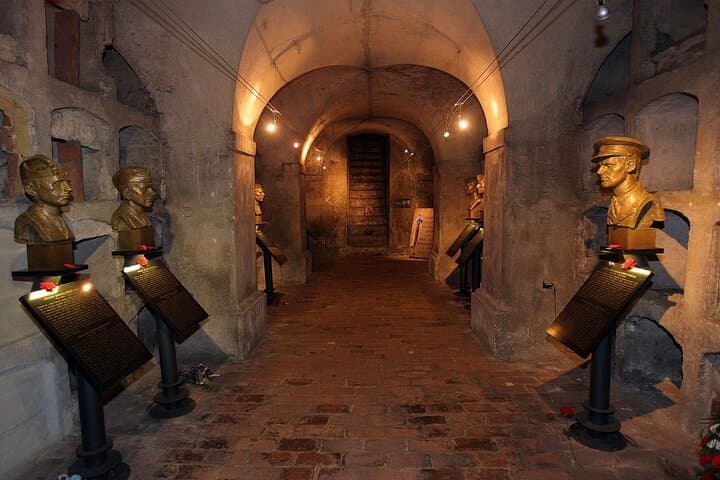
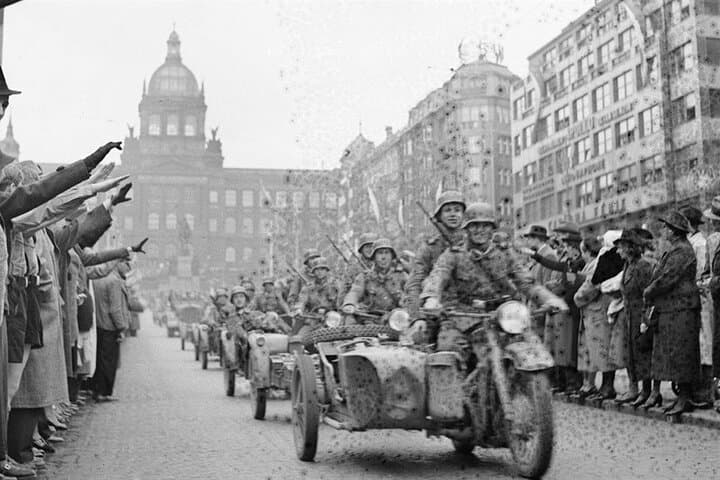
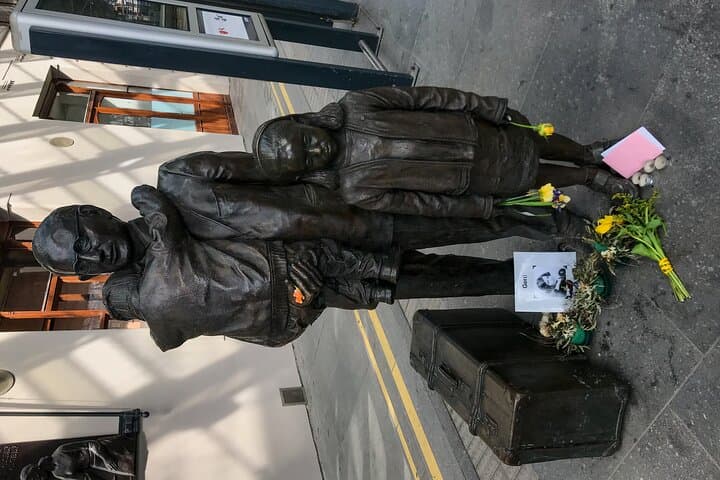
On this 2.5-hour semi-private walking tour, a Czech historian guides visitors through core WWII sites — former Gestapo offices, the Parachutists’ Church with visible bullet holes, and the locations tied to Operation Anthropoid and Reinhard Heydrich’s assassination. The narrative moves from the early shock of Nazi occupation to the 1945 Prague Uprising and Nicholas Winton’s rescue of hundreds of children, connecting local testimonies to archival research.
Prague’s stone streets are built on older geology of Bohemian Massif granite and river-deposited terraces along the Vltava; walls and memorials bear layers of history shaped by those materials and centuries of urban change. Culturally, neighborhoods you walk through show Prague’s complex identity: Czech civic pride, wartime scars, and post-war memory culture visible in plaques, small museums, and church displays.
Practical guidance: wear sturdy walking shoes for uneven cobbles and steps, and bring a light waterproof layer — weather shifts quickly in Prague. Morning tours avoid crowds at memorials; late afternoon offers softer light for reading plaques and photos. Expect moderate walking pace with several stops totaling about 150 minutes.
This is a considered, research-driven experience for travelers who want context as much as places: expect detailed storytelling, primary-source anecdotes, and a route that prioritizes the sites where events actually happened.
easy.
2–2.5 hours.
Suitable for most fitness levels; requires standing and walking on uneven surfaces for up to 2.5 hours.
Yes — the operator lists wheelchair accessibility, though some historic sites may have limited access; contact the provider ahead to confirm exact route accommodations.
The tour includes admission to at least one site; other locations are outdoor memorials with no fee as noted in the itinerary.
This specific experience is led by a Czech historian who conducts the tour in English for international visitors.
Infants and small children are allowed; content covers wartime violence and may be intense for very young audiences — discretion advised.
The tour centers on Operation Anthropoid and the 1942 assassination of Reinhard Heydrich, plus later events like the 1945 Prague Uprising and Nicholas Winton’s child rescue transports.
Prague’s historical sites are protected by municipal preservation rules; visitors are asked to avoid touching fragile monuments and to stay on designated paths to reduce wear on heritage fabric.
Prague: Local Historian Tours operates guided outdoor trips and adventures with an emphasis on safety, stewardship, and memorable experiences.
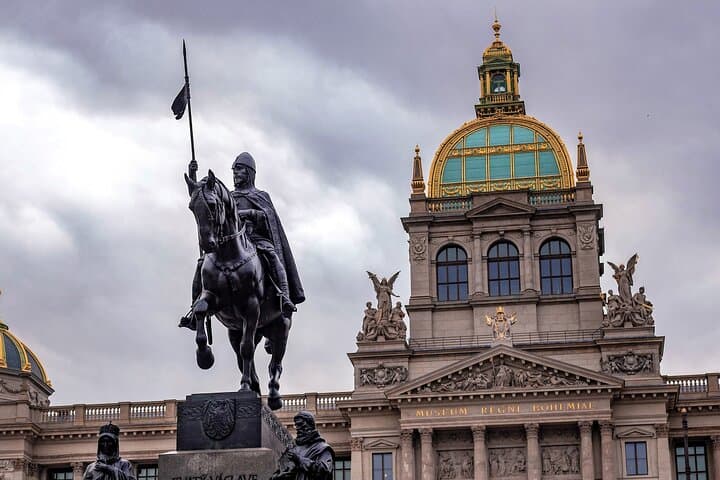
The street bends and cobblestones of Prague carry the weight of the mid-20th century; here a tram rattles past buildings that watched occupation, resistance, and the slow unspooling of history.
The street bends and cobblestones of Prague carry the weight of the mid-20th century; here a tram rattles past buildings that watched occupation, resistance, and the slow unspooling of history.
On this 2.5-hour semi-private walking tour, a Czech historian guides visitors through core WWII sites — former Gestapo offices, the Parachutists’ Church with visible bullet holes, and the locations tied to Operation Anthropoid and Reinhard Heydrich’s assassination. The narrative moves from the early shock of Nazi occupation to the 1945 Prague Uprising and Nicholas Winton’s rescue of hundreds of children, connecting local testimonies to archival research.
Prague’s stone streets are built on older geology of Bohemian Massif granite and river-deposited terraces along the Vltava; walls and memorials bear layers of history shaped by those materials and centuries of urban change. Culturally, neighborhoods you walk through show Prague’s complex identity: Czech civic pride, wartime scars, and post-war memory culture visible in plaques, small museums, and church displays.
Practical guidance: wear sturdy walking shoes for uneven cobbles and steps, and bring a light waterproof layer — weather shifts quickly in Prague. Morning tours avoid crowds at memorials; late afternoon offers softer light for reading plaques and photos. Expect moderate walking pace with several stops totaling about 150 minutes.
This is a considered, research-driven experience for travelers who want context as much as places: expect detailed storytelling, primary-source anecdotes, and a route that prioritizes the sites where events actually happened.