THE ADVENTURE COLLECTIVE® · Independent discovery and booking for outdoor travel

Explore Prague beyond the tourist circuit with a local historian who leads you from the National Museum through forgotten alleys, Art Nouveau oddities, medieval churches and across Charles Bridge to the John Lennon Wall. This 2.5‑hour walk blends deep history with modern street art and practical tips for navigating the city on foot.
Explore Prague beyond the tourist circuit with a local historian who leads you from the National Museum through forgotten alleys, Art Nouveau oddities, medieval churches and across Charles Bridge to the John Lennon Wall. This 2.5‑hour walk blends deep history with modern street art and practical tips for navigating the city on foot.
You step out from the grand steps of the National Museum into a city that carries centuries underfoot—the cobbles warm from the day, the Vltava river daring you to look toward its bridges. The guide, a local historian, threads the group through streets most tours avoid: an Art Nouveau palace with an upside-down horse, a quiet Franciscan garden, and the narrow lanes where Mozart and Kepler once moved through the city.
Verified experiences and guided adventures in the surrounding area.
Operated by Ivitsa Manovski · Prague, Prague
You step out from the grand steps of the National Museum into a city that carries centuries underfoot—the cobbles warm from the day, the Vltava river daring you to look toward its bridges. The guide, a local historian, threads the group through streets most tours avoid: an Art Nouveau palace with an upside-down horse, a quiet Franciscan garden, and the narrow lanes where Mozart and Kepler once moved through the city.
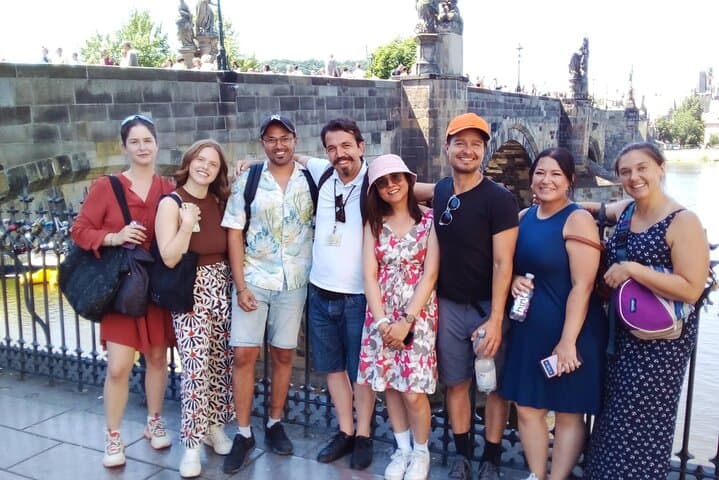
Prague’s layers are tactile: Gothic spires from the medieval Old Town, Baroque palaces that followed Habsburg tastes, and 20th‑century sites tied to the student resistance. You’ll pass the site of the oldest Jewish cemetery and stand where Jan Hus stirred early reform, then cross Charles Bridge while statues watch and the panorama of Prague Castle holds court across the river. Modern interventions—David Černý’s rotating head and street art—place the city’s living culture beside its history.
Practical guidance: the route covers roughly 3–4 km over 2.5 hours on mostly paved, often uneven cobbles and occasional steps. Wear broken‑in shoes, layer for microclimates between river breeze and sheltered alleys, and bring a water bottle; rest stops are cafes rather than benches. Small group size keeps narration lively and questions welcomed; tours typically start near tram and metro lines for easy access. Photographers should time the walk for golden hour to catch the bridge’s silhouette and quieter lanes. Most importantly, move at the guide’s pace—these streets are best understood on foot.
easy.
2–3 hours.
Light aerobic fitness—able to stand and walk at a steady pace for 2.5 hours with short breaks
The tour meets at the front steps of the National Museum (Václavské náměstí); it’s a short walk from Muzeum metro station.
Yes—routes are stroller‑accessible on most stretches, though cobblestones and occasional steps may require folding the stroller briefly.
This listing is led by an English‑speaking local historian; check the booking page for other language options or private tours.
Full refunds are available if you cancel at least 24 hours before departure; tours may be canceled for bad weather or insufficient participants.
Prague’s streets are layered with events from Jan Hus’s reformist sermons to Mozart’s Don Giovanni premiere; the city’s urban fabric records medieval, Baroque and modern chapters side by side.
Historic center rules protect facades and monuments—stay on designated paths, avoid touching fragile sculptures, and support local guides to encourage small‑group cultural tourism.
Ivitsa Manovski operates guided outdoor trips and adventures with an emphasis on safety, stewardship, and memorable experiences.
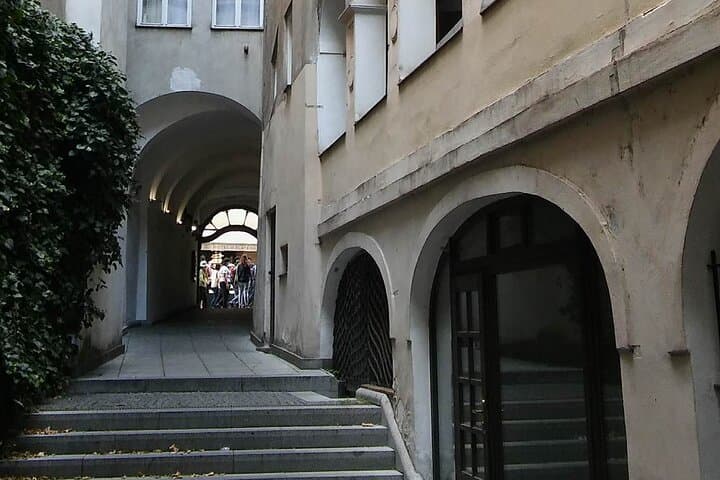
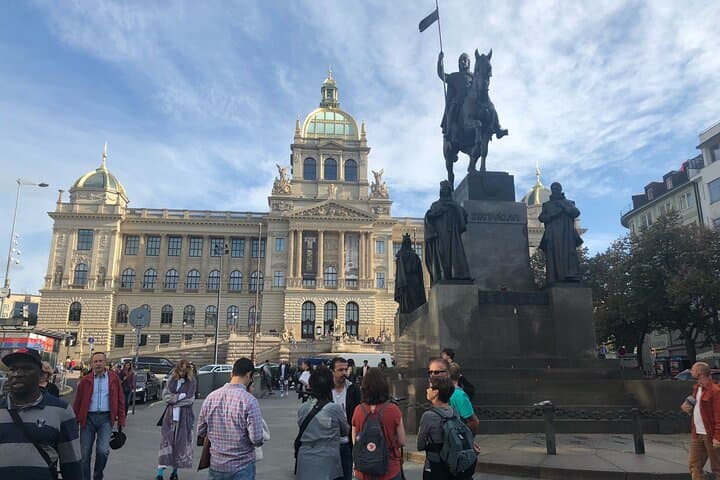
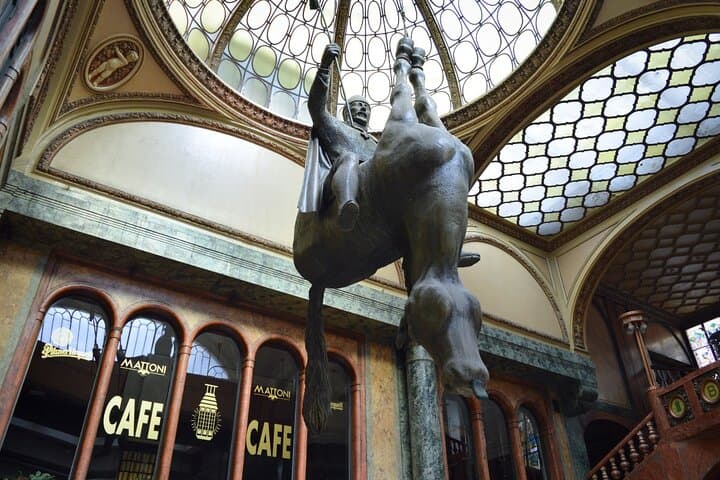
You step out from the grand steps of the National Museum into a city that carries centuries underfoot—the cobbles warm from the day, the Vltava river daring you to look toward its bridges. The guide, a local historian, threads the group through streets most tours avoid: an Art Nouveau palace with an upside-down horse, a quiet Franciscan garden, and the narrow lanes where Mozart and Kepler once moved through the city.
You step out from the grand steps of the National Museum into a city that carries centuries underfoot—the cobbles warm from the day, the Vltava river daring you to look toward its bridges. The guide, a local historian, threads the group through streets most tours avoid: an Art Nouveau palace with an upside-down horse, a quiet Franciscan garden, and the narrow lanes where Mozart and Kepler once moved through the city.
Prague’s layers are tactile: Gothic spires from the medieval Old Town, Baroque palaces that followed Habsburg tastes, and 20th‑century sites tied to the student resistance. You’ll pass the site of the oldest Jewish cemetery and stand where Jan Hus stirred early reform, then cross Charles Bridge while statues watch and the panorama of Prague Castle holds court across the river. Modern interventions—David Černý’s rotating head and street art—place the city’s living culture beside its history.
Practical guidance: the route covers roughly 3–4 km over 2.5 hours on mostly paved, often uneven cobbles and occasional steps. Wear broken‑in shoes, layer for microclimates between river breeze and sheltered alleys, and bring a water bottle; rest stops are cafes rather than benches. Small group size keeps narration lively and questions welcomed; tours typically start near tram and metro lines for easy access. Photographers should time the walk for golden hour to catch the bridge’s silhouette and quieter lanes. Most importantly, move at the guide’s pace—these streets are best understood on foot.