THE ADVENTURE COLLECTIVE® · Independent discovery and booking for outdoor travel

This full-day transfer from Prague to Vienna stops in Český Krumlov for guided exploration of its UNESCO-listed medieval center and imposing castle. Expect cobbled streets, a riverside loop, and a steep climb to castle viewpoints—perfect for a compact, camera-ready day out.
This full-day transfer from Prague to Vienna stops in Český Krumlov for guided exploration of its UNESCO-listed medieval center and imposing castle. Expect cobbled streets, a riverside loop, and a steep climb to castle viewpoints—perfect for a compact, camera-ready day out.
A mist clings to the Vltava as the minibus pulls out of Prague and the city’s spires slide behind you. After two hours of lowland fields and wooded ridges, the road winds into the hollow where Český Krumlov crouches—red roofs stacked against a limestone bluff, the castle tower watching over a slow, looping river.
Verified experiences and guided adventures in the surrounding area.
Operated by Loxper - Get Local Experience · Český Krumlov, South Bohemian Region
A mist clings to the Vltava as the minibus pulls out of Prague and the city’s spires slide behind you. After two hours of lowland fields and wooded ridges, the road winds into the hollow where Český Krumlov crouches—red roofs stacked against a limestone bluff, the castle tower watching over a slow, looping river.
The town dates back to the 13th century and earned UNESCO recognition in 1992 for its exceptional medieval urban fabric and intact Renaissance and Baroque buildings. Geology here is gentle: rolling South Bohemian hills, shallow river valleys and a castle perched on a rocky promontory carved by the Vltava. Culture is palpable at every corner—wooden signs above pubs, folk motifs in shop windows, and the legacy of the Rosenberg and Eggenberg families in stone and fresco.
Visitors spend roughly 1–3 km walking through cobbled streets, with a steady climb to the castle complex and tower; expect uneven stone underfoot and short flights of stairs rather than long alpine ascents. The guide-led stop highlights cloistered courtyards, the Baroque theatre, and riverside viewpoints, with time for sampling local dumplings or beer.
Plan practicalities: wear sturdy shoes for cobbles and stairs, carry a lightweight rain layer, and budget a small amount for optional castle interior access. Timing wise, this is a full-day transfer with around seven hours of door-to-door travel; it suits travelers who want comfortable transport combined with a focused, on-foot exploration. The town rewards slow walking—look up as often as you look ahead.
moderate.
10 hours (full-day).
Suitable for travelers with a moderate fitness level who can walk 1–3 km on uneven surfaces and climb short flights of stairs.
General access to castle grounds is included in the visit, but guided interior tours are optional and typically require a small additional fee.
The itinerary typically allows about 2 hours on-site for guided walking, photos, and a quick meal before continuing toward Vienna.
Yes—this is a transfer-style tour that provides private transportation pickup from arranged points in Prague and drop-off in Vienna as described at booking.
Parts of the historic center are stroller-friendly, but cobbles and castle access include steps; travelers with mobility concerns should notify at booking for assistance options.
The town grew around a 13th-century castle and later flourished under the Rosenberg and Eggenberg houses; its medieval core survived large-scale modern redevelopment.
Heavy visitation is managed by preserved pedestrian routes and regulated access to sensitive castle interiors—stay on marked paths and avoid touching frescoes or stonework.
Loxper - Get Local Experience operates guided outdoor trips and adventures with an emphasis on safety, stewardship, and memorable experiences.
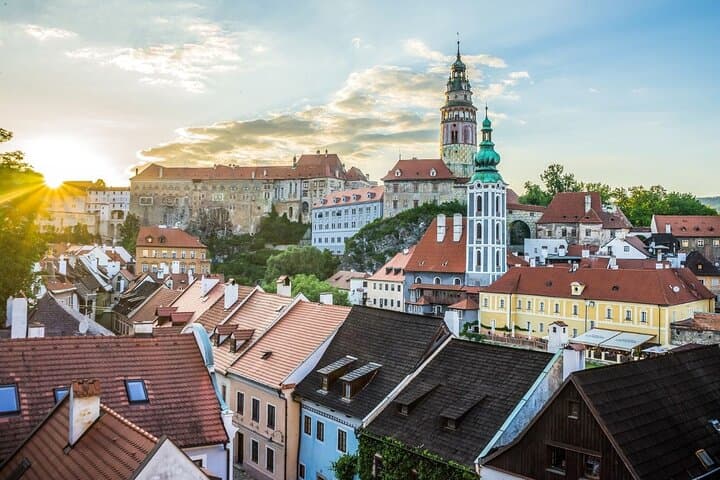
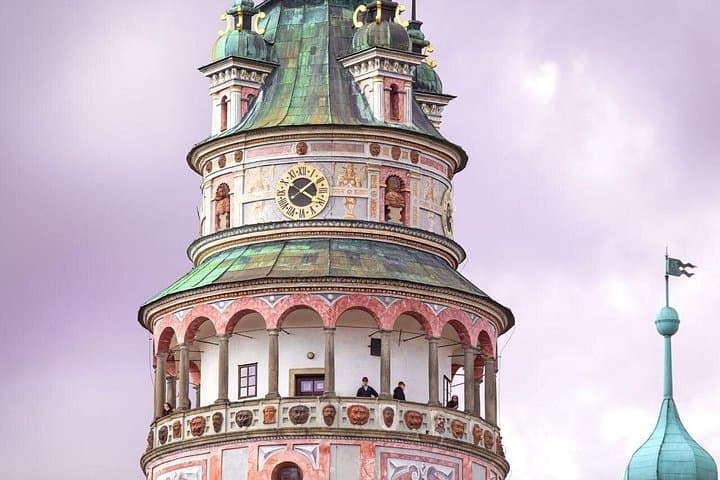

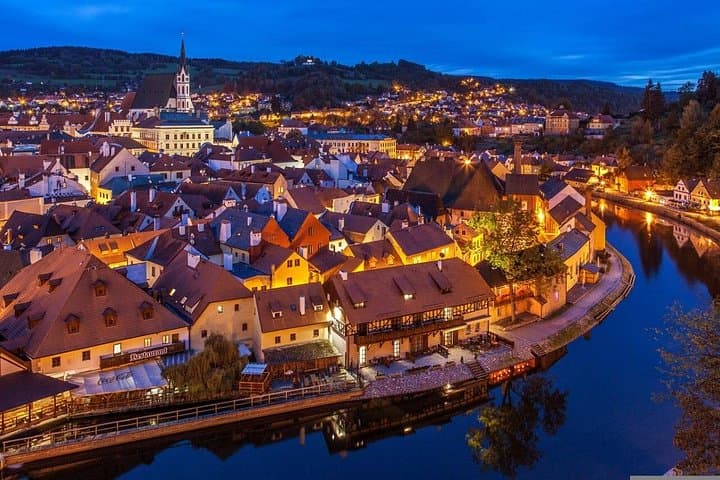
A mist clings to the Vltava as the minibus pulls out of Prague and the city’s spires slide behind you. After two hours of lowland fields and wooded ridges, the road winds into the hollow where Český Krumlov crouches—red roofs stacked against a limestone bluff, the castle tower watching over a slow, looping river.
A mist clings to the Vltava as the minibus pulls out of Prague and the city’s spires slide behind you. After two hours of lowland fields and wooded ridges, the road winds into the hollow where Český Krumlov crouches—red roofs stacked against a limestone bluff, the castle tower watching over a slow, looping river.
The town dates back to the 13th century and earned UNESCO recognition in 1992 for its exceptional medieval urban fabric and intact Renaissance and Baroque buildings. Geology here is gentle: rolling South Bohemian hills, shallow river valleys and a castle perched on a rocky promontory carved by the Vltava. Culture is palpable at every corner—wooden signs above pubs, folk motifs in shop windows, and the legacy of the Rosenberg and Eggenberg families in stone and fresco.
Visitors spend roughly 1–3 km walking through cobbled streets, with a steady climb to the castle complex and tower; expect uneven stone underfoot and short flights of stairs rather than long alpine ascents. The guide-led stop highlights cloistered courtyards, the Baroque theatre, and riverside viewpoints, with time for sampling local dumplings or beer.
Plan practicalities: wear sturdy shoes for cobbles and stairs, carry a lightweight rain layer, and budget a small amount for optional castle interior access. Timing wise, this is a full-day transfer with around seven hours of door-to-door travel; it suits travelers who want comfortable transport combined with a focused, on-foot exploration. The town rewards slow walking—look up as often as you look ahead.