THE ADVENTURE COLLECTIVE® · Independent discovery and booking for outdoor travel

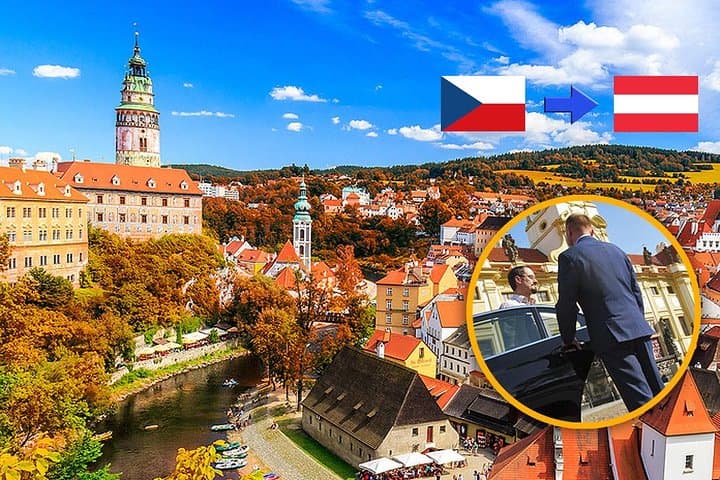
A private transfer links Prague and Vienna with a purposeful stop in Cesky Krumlov—walk its cobbled lanes, tour the castle, then continue east. This one-day route blends scenic driving with concentrated cultural time in a UNESCO-listed medieval town.
A private transfer links Prague and Vienna with a purposeful stop in Cesky Krumlov—walk its cobbled lanes, tour the castle, then continue east. This one-day route blends scenic driving with concentrated cultural time in a UNESCO-listed medieval town.
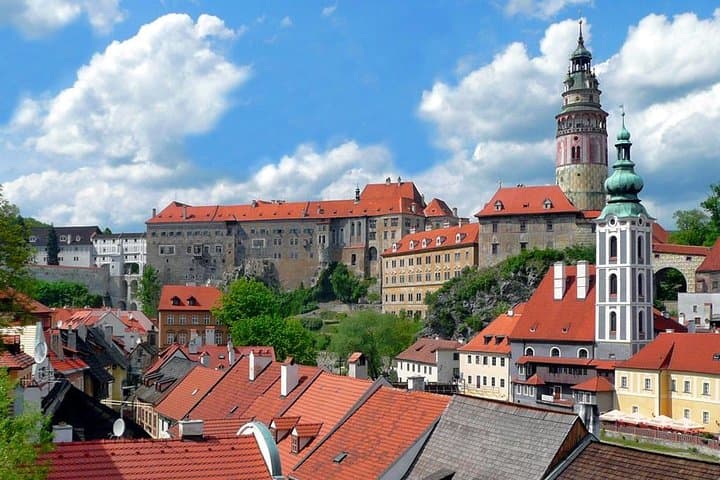
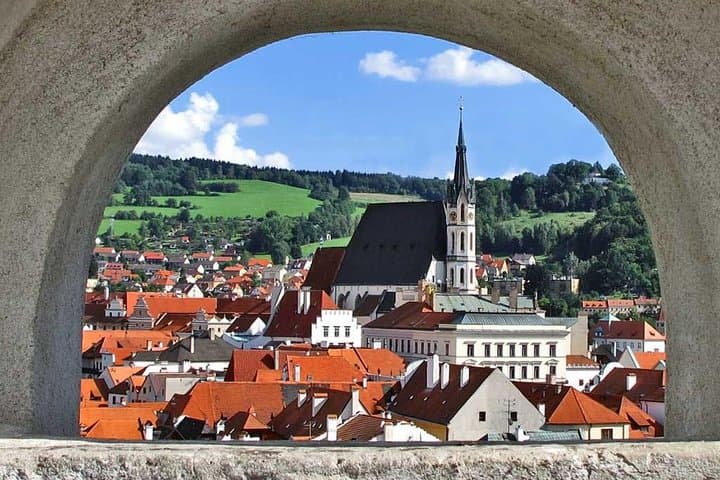
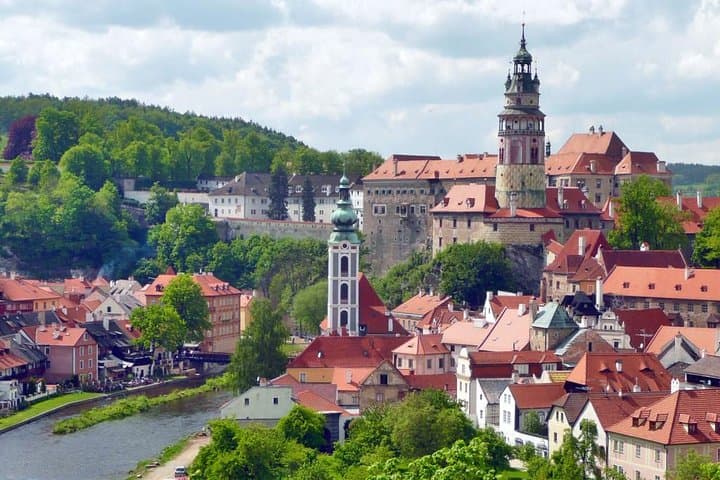
You leave Prague at first light, the city thinning behind you as lanes of highway slice through fields and low hills. The van hums; the Vltava river appears like a deliberate curve on the map and then becomes real—arching around Cesky Krumlov so that the town folds inward toward the water. Stepping onto the cobbles, you feel the town’s geometry: narrow lanes, painted façades, and the castle rising over the horseshoe bend.
Verified experiences and guided adventures in the surrounding area.
Operated by Continental Travel · Cesky Krumlov, South Bohemian Region
You leave Prague at first light, the city thinning behind you as lanes of highway slice through fields and low hills. The van hums; the Vltava river appears like a deliberate curve on the map and then becomes real—arching around Cesky Krumlov so that the town folds inward toward the water. Stepping onto the cobbles, you feel the town’s geometry: narrow lanes, painted façades, and the castle rising over the horseshoe bend.
Cesky Krumlov’s layout and castle reflect centuries of Bohemian and Central European history. The town was inscribed as a UNESCO site in 1992 for its well-preserved medieval core and Renaissance-Baroque castle complex. The geology is simple but telling—the Vltava cut its bend through softer sediments and left the castle perched on firmer bedrock, a defensive advantage exploited by medieval builders. Local culture still orients around river life: small cafés by the bend, traditional Czech kitchens, and craftsmen in the alleyways.
Practical guidance: plan about 2.5 hours driving from Prague to Cesky Krumlov, allow roughly 60–90 minutes for a brisk walk through the Old Town and another hour for a public castle tour when included in summer. Cobblestones demand stable footwear; keep a daypack with water and a light layer. Luggage can ride in the vehicle while you explore; infant seats and bottled water are provided. In summer, interior castle tours are often available—book or confirm in advance. The transfer continues to Vienna in roughly three hours after your stop, with short rest breaks built in. Expect a relaxed day that balances scenic driving with concentrated cultural walking.
easy.
10 hours (approx.).
Minimal fitness required beyond walking on uneven cobbles for up to an hour; suitable for most travelers.
Yes—on private transfers larger bags typically remain locked in the vehicle while you use a daypack to explore the Old Town and castle.
Castle interiors are sometimes available in summer; check with the operator in advance and factor extra time for guided interior tours.
The itinerary includes short rest stops during transfers and the vehicle carries bottled water; local cafés in Cesky Krumlov serve meals and toilets are available in public areas.
The service notes stroller access and infant seats are available, but cobblestones and castle stairs may limit stroller use in parts of the Old Town.
Cesky Krumlov grew around a 13th-century castle complex and later developed significant Renaissance and Baroque elements under regional noble families, giving the town its layered architecture.
Tourism is concentrated on the historic core; visitors are encouraged to stay on marked paths, avoid littering, and support local services to reduce pressure on fragile buildings and the riverbank.
Continental Travel operates guided outdoor trips and adventures with an emphasis on safety, stewardship, and memorable experiences.
You leave Prague at first light, the city thinning behind you as lanes of highway slice through fields and low hills. The van hums; the Vltava river appears like a deliberate curve on the map and then becomes real—arching around Cesky Krumlov so that the town folds inward toward the water. Stepping onto the cobbles, you feel the town’s geometry: narrow lanes, painted façades, and the castle rising over the horseshoe bend.
You leave Prague at first light, the city thinning behind you as lanes of highway slice through fields and low hills. The van hums; the Vltava river appears like a deliberate curve on the map and then becomes real—arching around Cesky Krumlov so that the town folds inward toward the water. Stepping onto the cobbles, you feel the town’s geometry: narrow lanes, painted façades, and the castle rising over the horseshoe bend.
Cesky Krumlov’s layout and castle reflect centuries of Bohemian and Central European history. The town was inscribed as a UNESCO site in 1992 for its well-preserved medieval core and Renaissance-Baroque castle complex. The geology is simple but telling—the Vltava cut its bend through softer sediments and left the castle perched on firmer bedrock, a defensive advantage exploited by medieval builders. Local culture still orients around river life: small cafés by the bend, traditional Czech kitchens, and craftsmen in the alleyways.
Practical guidance: plan about 2.5 hours driving from Prague to Cesky Krumlov, allow roughly 60–90 minutes for a brisk walk through the Old Town and another hour for a public castle tour when included in summer. Cobblestones demand stable footwear; keep a daypack with water and a light layer. Luggage can ride in the vehicle while you explore; infant seats and bottled water are provided. In summer, interior castle tours are often available—book or confirm in advance. The transfer continues to Vienna in roughly three hours after your stop, with short rest breaks built in. Expect a relaxed day that balances scenic driving with concentrated cultural walking.