THE ADVENTURE COLLECTIVE® · Independent discovery and booking for outdoor travel

A full‑day private transfer from Prague to Munich that pairs Gothic architecture, the birthplace of Pilsner beer, and a reflective visit to Dachau. Ideal for travelers who want history, culture, and a craft‑beer tasting in a single, well‑paced day.
A full‑day private transfer from Prague to Munich that pairs Gothic architecture, the birthplace of Pilsner beer, and a reflective visit to Dachau. Ideal for travelers who want history, culture, and a craft‑beer tasting in a single, well‑paced day.
You pull away from Prague as the Vltava recedes, soft hills pressing against the windows and a Gothic tower coming into view. At Karlštejn the stonework seems to lean toward you, centuries of rain and wind giving the castle a dry, honest voice; you climb narrow stairways where light forgets to linger and the countryside opens in green terraces.
Verified experiences and guided adventures in the surrounding area.
Operated by mytripline · Prague, Prague
You pull away from Prague as the Vltava recedes, soft hills pressing against the windows and a Gothic tower coming into view. At Karlštejn the stonework seems to lean toward you, centuries of rain and wind giving the castle a dry, honest voice; you climb narrow stairways where light forgets to linger and the countryside opens in green terraces.
The route stitches together three distinct chapters of Central European history: Karlštejn, founded by Charles IV in the 14th century to safeguard crown jewels and relics; Plzeň, where a 19th‑century brewmaster distilled clarity into what became Pilsner; and Dachau, the sobering memorial on the outskirts of Munich, established in 1933 and preserved as a site of remembrance. Geologically the area transitions from the rolling sandstone and limestone of Central Bohemia to the flatter, industrial plains around Plzeň, which historically supported malting and brewing. Local culture here is defined by regional pride—craftsmanship in masonry, a deep beer tradition, and a solemn approach to memory at former camp sites.
Practical guide: this private full‑day transfer runs about 10–11 hours with door‑to‑door pickup. Wear comfortable walking shoes for castle steps and cobbled brewery cellars, bring a valid passport for cross‑border travel, and set aside quiet time at Dachau out of respect. Expect moderate walking, photo stops, and a tasting at Pilsner Urquell; the driver will handle logistics and offer local context so you can focus on the landscapes and stories unfolding outside the window.
easy.
10–11 hours.
Suitable for travelers of average mobility; includes walking on uneven surfaces and stairs
The tour starts in Prague with private pickup and ends in Munich; confirm your pickup and drop‑off points when booking.
Admissions vary—this tour includes guided stops and timing but check whether entrance fees or brewery tasting fees are covered in your booking details.
The itinerary is family friendly, but Karlštejn and some memorial exhibits have stairs and uneven surfaces; transport is wheelchair accessible but some sites have limited ramp access.
The brewery stop is typically about 60–90 minutes and includes a guided tasting of fresh Pilsner; non‑alcoholic options are usually available.
Karlštejn was founded in 1348 by Emperor Charles IV to protect royal treasures; Plzeň brewed the world’s first Pilsner in 1842; Dachau opened in 1933 and is now a memorial site.
Respect site rules at Dachau and stay on marked paths at Karlštejn; breweries and towns encourage responsible water use and recycling during tours.
mytripline operates guided outdoor trips and adventures with an emphasis on safety, stewardship, and memorable experiences.
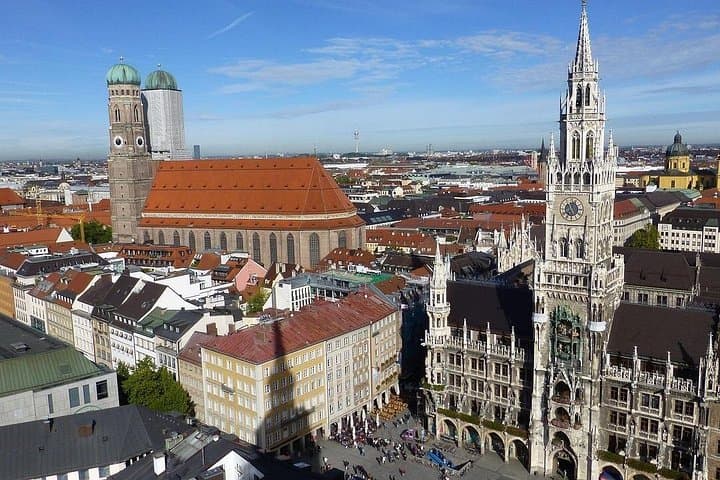

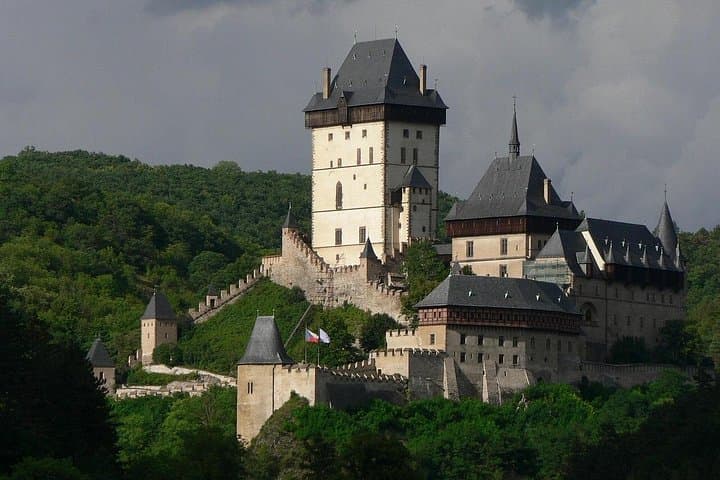
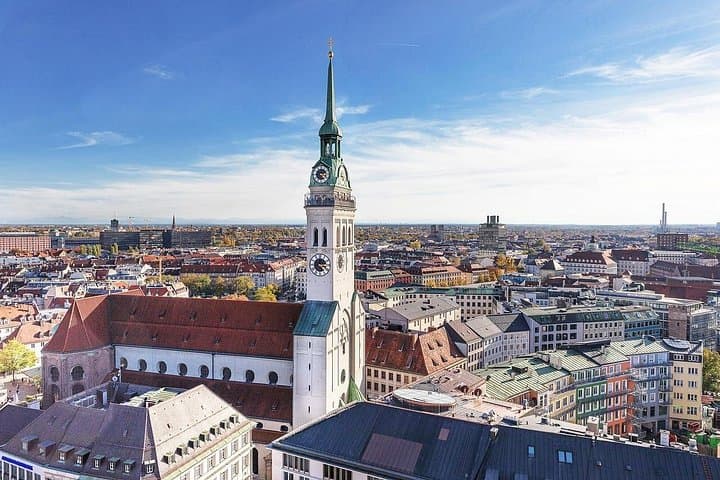
You pull away from Prague as the Vltava recedes, soft hills pressing against the windows and a Gothic tower coming into view. At Karlštejn the stonework seems to lean toward you, centuries of rain and wind giving the castle a dry, honest voice; you climb narrow stairways where light forgets to linger and the countryside opens in green terraces.
You pull away from Prague as the Vltava recedes, soft hills pressing against the windows and a Gothic tower coming into view. At Karlštejn the stonework seems to lean toward you, centuries of rain and wind giving the castle a dry, honest voice; you climb narrow stairways where light forgets to linger and the countryside opens in green terraces.
The route stitches together three distinct chapters of Central European history: Karlštejn, founded by Charles IV in the 14th century to safeguard crown jewels and relics; Plzeň, where a 19th‑century brewmaster distilled clarity into what became Pilsner; and Dachau, the sobering memorial on the outskirts of Munich, established in 1933 and preserved as a site of remembrance. Geologically the area transitions from the rolling sandstone and limestone of Central Bohemia to the flatter, industrial plains around Plzeň, which historically supported malting and brewing. Local culture here is defined by regional pride—craftsmanship in masonry, a deep beer tradition, and a solemn approach to memory at former camp sites.
Practical guide: this private full‑day transfer runs about 10–11 hours with door‑to‑door pickup. Wear comfortable walking shoes for castle steps and cobbled brewery cellars, bring a valid passport for cross‑border travel, and set aside quiet time at Dachau out of respect. Expect moderate walking, photo stops, and a tasting at Pilsner Urquell; the driver will handle logistics and offer local context so you can focus on the landscapes and stories unfolding outside the window.