THE ADVENTURE COLLECTIVE® · Independent discovery and booking for outdoor travel

A full-day private transfer from Prague brings you to the dramatic sandstone viewpoints of the Bastei before a guided exploration of Dresden’s baroque heart. Short hikes, scenic drives and city landmarks combine for a compact Saxon experience.
A full-day private transfer from Prague brings you to the dramatic sandstone viewpoints of the Bastei before a guided exploration of Dresden’s baroque heart. Short hikes, scenic drives and city landmarks combine for a compact Saxon experience.
The van eases out of Prague before dawn and the Bohemian plains slide past like a muted map; after roughly 1 hour 45 minutes you stand on the edge of the Elbe Sandstone plateau, wind riffling through pines and sandstone dust. The Bastei Bridge rises ahead—narrow, human-made, daring you to step into a view carved by river and time.
Verified experiences and guided adventures in the surrounding area.
Operated by Arkway · Rathen, Saxony
The van eases out of Prague before dawn and the Bohemian plains slide past like a muted map; after roughly 1 hour 45 minutes you stand on the edge of the Elbe Sandstone plateau, wind riffling through pines and sandstone dust. The Bastei Bridge rises ahead—narrow, human-made, daring you to step into a view carved by river and time.
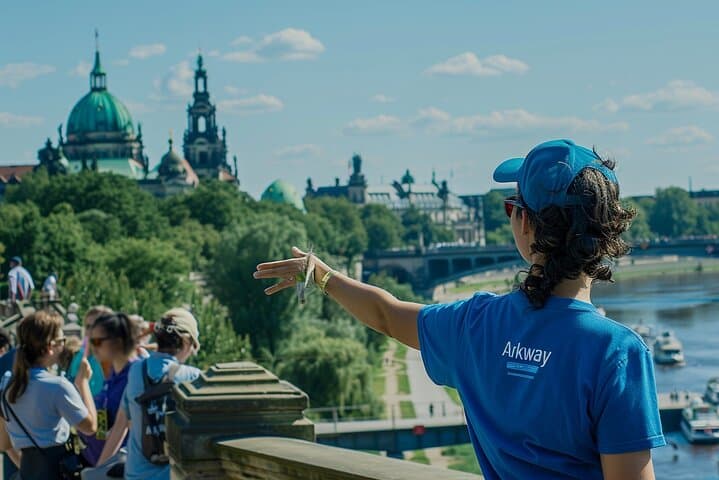
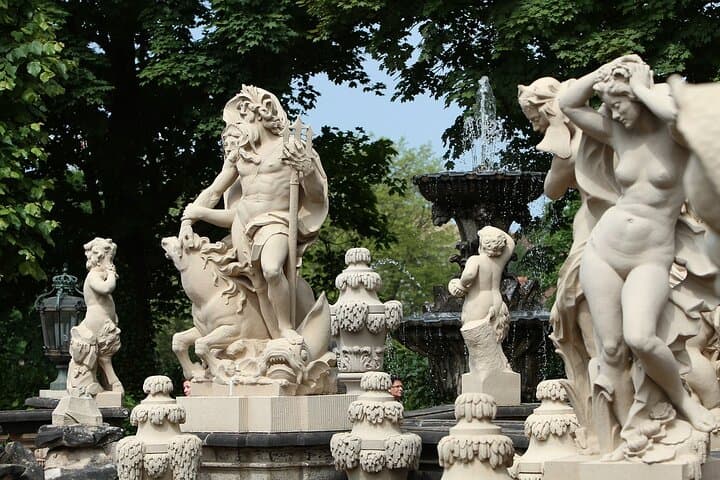
This route stitches together two stories: the geology of Saxon Switzerland—soft sandstone eroded into towers, arches and canyons—and Dresden’s architectural recovery, where baroque facades and reconstructed churches mark a city rebuilt from wartime ruin. Cultural highlights include the ruins of Neurathen rock castle at Bastei and Dresden’s Royal Palace, Zwinger and Frauenkirche, each reflecting regional art, craft and resilience.
Expect short, steep trails around the Bastei (1–2 km round trips with stone stairs and 100–200 m of gain on uneven sandstone), then a drive into Dresden for guided stops and free time. The day balances easy natural walks with city sightseeing—bring a camera, layered clothing and waterproof footwear: sandstone is slippery after rain.
Practicalities: the full trip is about 10–11 hours door-to-door; private transport with onboard Wi‑Fi and bottled water is typical. Border formalities are minimal within Schengen but carry an ID. Pick mornings for the Bastei to avoid midday crowds; reserve afternoons in Dresden for museum visits or a riverfront walk. This is a compact, well-paced day that pairs hands-on nature with cultured city stops—ideal for travelers short on time who still want depth.
moderate.
10–11 hours.
Suitable for travelers with basic fitness—short hikes with stair sections and periods of standing; most of the day is on easy-to-moderate terrain or seated in transport.
Travel between Czech Republic and Germany is within Schengen—formal checks are uncommon, but you should carry a valid passport or national ID card.
Expect short hikes of 1–2 km with stair sections and up to about 100–200 m of elevation change on uneven sandstone paths; routes are short but can be steep.
Most city museum admissions are optional and typically not included—the itinerary includes guided stops and free time but not standard museum entrance fees.
The tour notes wheelchair access and is generally suitable for families; however, the Bastei’s stone paths and stairs are not fully wheelchair-friendly—discuss alternatives with the operator when booking.
The Elbe Sandstone area formed over millions of years; human use dates to medieval times when rock castles like Neurathen exploited natural defenses. Dresden’s core reflects centuries of artistic patronage and post-war reconstruction.
Saxon Switzerland is a protected national park—stay on marked trails to prevent erosion of fragile sandstone and follow leave-no-trace principles to protect rare flora.
Arkway operates guided outdoor trips and adventures with an emphasis on safety, stewardship, and memorable experiences.

The van eases out of Prague before dawn and the Bohemian plains slide past like a muted map; after roughly 1 hour 45 minutes you stand on the edge of the Elbe Sandstone plateau, wind riffling through pines and sandstone dust. The Bastei Bridge rises ahead—narrow, human-made, daring you to step into a view carved by river and time.
The van eases out of Prague before dawn and the Bohemian plains slide past like a muted map; after roughly 1 hour 45 minutes you stand on the edge of the Elbe Sandstone plateau, wind riffling through pines and sandstone dust. The Bastei Bridge rises ahead—narrow, human-made, daring you to step into a view carved by river and time.
This route stitches together two stories: the geology of Saxon Switzerland—soft sandstone eroded into towers, arches and canyons—and Dresden’s architectural recovery, where baroque facades and reconstructed churches mark a city rebuilt from wartime ruin. Cultural highlights include the ruins of Neurathen rock castle at Bastei and Dresden’s Royal Palace, Zwinger and Frauenkirche, each reflecting regional art, craft and resilience.
Expect short, steep trails around the Bastei (1–2 km round trips with stone stairs and 100–200 m of gain on uneven sandstone), then a drive into Dresden for guided stops and free time. The day balances easy natural walks with city sightseeing—bring a camera, layered clothing and waterproof footwear: sandstone is slippery after rain.
Practicalities: the full trip is about 10–11 hours door-to-door; private transport with onboard Wi‑Fi and bottled water is typical. Border formalities are minimal within Schengen but carry an ID. Pick mornings for the Bastei to avoid midday crowds; reserve afternoons in Dresden for museum visits or a riverfront walk. This is a compact, well-paced day that pairs hands-on nature with cultured city stops—ideal for travelers short on time who still want depth.