THE ADVENTURE COLLECTIVE® · Independent discovery and booking for outdoor travel

Turn a long transfer into a curated day of castles, a gothic mining town, and a riverside capital. This private Prague–Budapest route lets you customize stops at Kutná Hora, Lednice, and Bratislava while traveling in comfort.
Turn a long transfer into a curated day of castles, a gothic mining town, and a riverside capital. This private Prague–Budapest route lets you customize stops at Kutná Hora, Lednice, and Bratislava while traveling in comfort.
A grey morning in Prague loosens its cobblestones under the wheels of a private car as the city recedes and the road opens toward oak-lined horizons. Windows frame fields and castle silhouettes; the Danube waits like a ribbon that will guide the day. This private transfer converts a long haul into a moving itinerary—two capitals linked by history, chateau gardens, and a medieval mining town.
Verified experiences and guided adventures in the surrounding area.
Operated by mytripline · Prague, Prague
A grey morning in Prague loosens its cobblestones under the wheels of a private car as the city recedes and the road opens toward oak-lined horizons. Windows frame fields and castle silhouettes; the Danube waits like a ribbon that will guide the day. This private transfer converts a long haul into a moving itinerary—two capitals linked by history, chateau gardens, and a medieval mining town.
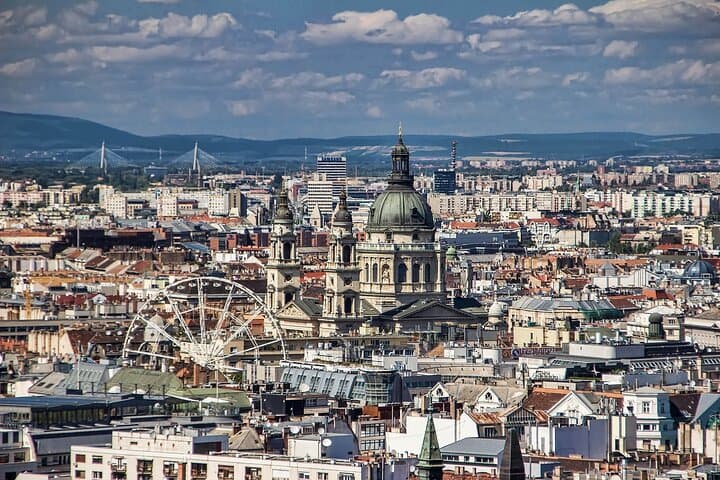
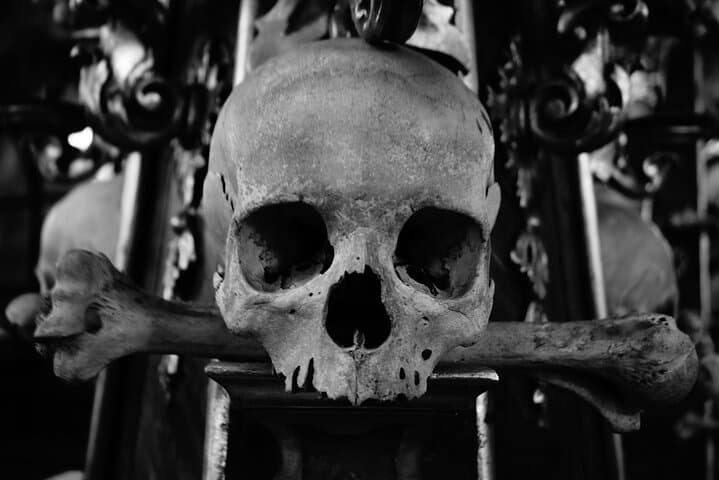
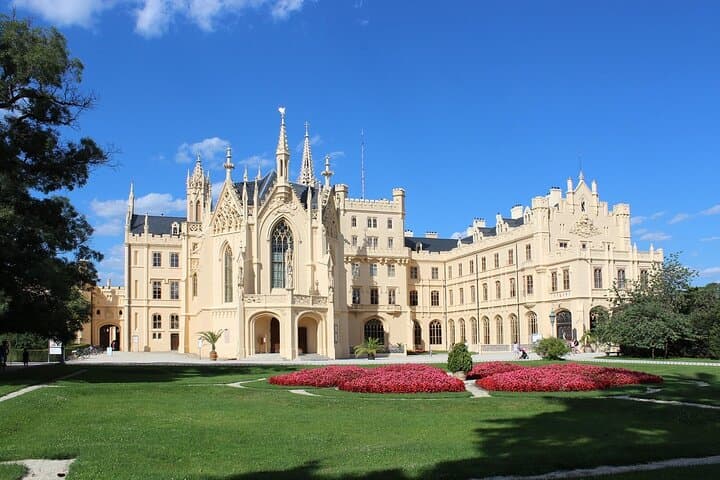
History threads the route: Kutná Hora’s 14th-century silver boom left St. Barbara’s Gothic vaulting and an ossuary that makes visitors pause. Lednice, reborn in Neo-Gothic fancy by the Liechtensteins, reveals landscaped lakes and a surprising minaret—an aristocratic playground on the Moravian plains. Bratislava sits low and watchful on the Danube, with a compact Old Town and a castle that surveys centuries of trade and empire.
Geology is subtle but present: the gentle limestone and loess soils feed vineyards and shaped defensive sites; river terraces dictate where settlements cluster. Local culture skews hospitable—small-town cafes, market cakes, and slow-paced squares provide human textures between monuments.
Practical guidance: expect 5–9 hours depending on chosen stops. Bring passports for border formalities, euros or crowns for small-ticket entries, and comfortable footwear for short explorations at each stop. Timed visits to major attractions reduce queueing; carry a light layer—the plains can be windy. Drivers often offer insider detours; use them to trade a photographed skyline for a quiet alleyway cafe. This is travel that privileges pace and presence—move deliberately, stop freely, and let the route compile a small European syllabus of architecture, river life, and frontier towns.
easy.
5–9 hours.
Suitable for most fitness levels; minimal walking required but includes short exploratory strolls at stops.
Yes—this is a private, door-to-door transfer that can be customized with stops along the route.
Entry fees are typically not included; the itinerary notes which stops include admission and which require individual payment.
Typical stop durations are about 60–120 minutes each, depending on whether you explore interiors or stick to exteriors and viewpoints.
Yes—private drivers usually allow flexible timing and detours, subject to schedule and any entrance availability.
The route links Bohemian silver wealth (Kutná Hora) and Moravian noble estates (Lednice) with Bratislava’s role as a Danube trading and administrative center, reflecting centuries of shifting Central European borders.
Many heritage sites limit group sizes and encourage stay-on-path rules to protect fragile interiors and landscaped gardens; use designated parking and support local conservation fees where required.
mytripline operates guided outdoor trips and adventures with an emphasis on safety, stewardship, and memorable experiences.
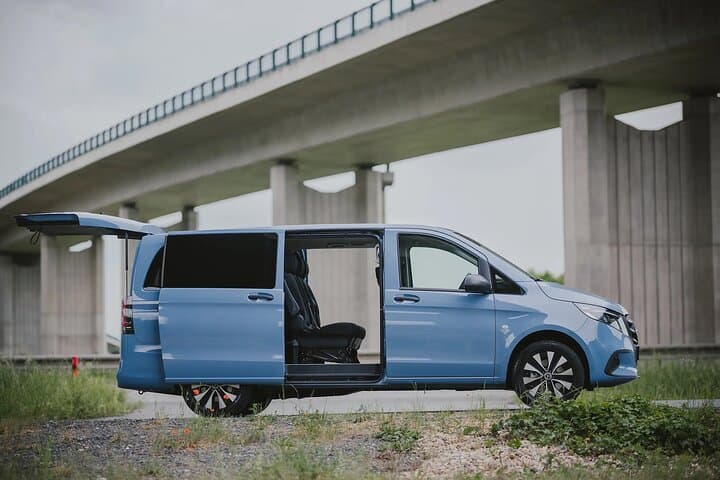
A grey morning in Prague loosens its cobblestones under the wheels of a private car as the city recedes and the road opens toward oak-lined horizons. Windows frame fields and castle silhouettes; the Danube waits like a ribbon that will guide the day. This private transfer converts a long haul into a moving itinerary—two capitals linked by history, chateau gardens, and a medieval mining town.
A grey morning in Prague loosens its cobblestones under the wheels of a private car as the city recedes and the road opens toward oak-lined horizons. Windows frame fields and castle silhouettes; the Danube waits like a ribbon that will guide the day. This private transfer converts a long haul into a moving itinerary—two capitals linked by history, chateau gardens, and a medieval mining town.
History threads the route: Kutná Hora’s 14th-century silver boom left St. Barbara’s Gothic vaulting and an ossuary that makes visitors pause. Lednice, reborn in Neo-Gothic fancy by the Liechtensteins, reveals landscaped lakes and a surprising minaret—an aristocratic playground on the Moravian plains. Bratislava sits low and watchful on the Danube, with a compact Old Town and a castle that surveys centuries of trade and empire.
Geology is subtle but present: the gentle limestone and loess soils feed vineyards and shaped defensive sites; river terraces dictate where settlements cluster. Local culture skews hospitable—small-town cafes, market cakes, and slow-paced squares provide human textures between monuments.
Practical guidance: expect 5–9 hours depending on chosen stops. Bring passports for border formalities, euros or crowns for small-ticket entries, and comfortable footwear for short explorations at each stop. Timed visits to major attractions reduce queueing; carry a light layer—the plains can be windy. Drivers often offer insider detours; use them to trade a photographed skyline for a quiet alleyway cafe. This is travel that privileges pace and presence—move deliberately, stop freely, and let the route compile a small European syllabus of architecture, river life, and frontier towns.