THE ADVENTURE COLLECTIVE® · Independent discovery and booking for outdoor travel

A full-day private transfer from Prague to Berlin that pairs comfortable door-to-door transport with a focused three-hour walking tour of the city’s top sights. Ideal for travelers who want concentrated history, street art, and major landmarks without planning logistics.
A full-day private transfer from Prague to Berlin that pairs comfortable door-to-door transport with a focused three-hour walking tour of the city’s top sights. Ideal for travelers who want concentrated history, street art, and major landmarks without planning logistics.
You step into the car as Prague still yawns; the engine hums and the highway unspools toward Germany. By midmorning the city grid gives way to broad boulevards and the Tiergarten’s trees lean over the pavement like watchful hosts. In Berlin the Brandenburg Gate appears—stone and measured—then the Reichstag’s glass dome catches the light as if inviting you to look closer.
Verified experiences and guided adventures in the surrounding area.
Operated by Visita Praga · Berlin, Berlin
You step into the car as Prague still yawns; the engine hums and the highway unspools toward Germany. By midmorning the city grid gives way to broad boulevards and the Tiergarten’s trees lean over the pavement like watchful hosts. In Berlin the Brandenburg Gate appears—stone and measured—then the Reichstag’s glass dome catches the light as if inviting you to look closer.
Berlin is a city of scars and reinvention: Cold War divisions left concrete canvases that today host elaborate murals along the East Side Gallery, while Prussian-era avenues such as Unter den Linden frame a layered urban history. Geologically the region sits on low-lying glacial plains; the city’s open parks and former river channels make for unexpectedly green sightlines, and places like Tempelhofer Feld recall the city’s aviation past.
Culturally, Berlin moves at its own tempo—street art, memorials, neighborhood markets and café culture collide in short blocks. A private guide compresses context and routes into a tidy three-hour walking segment, while private transportation covers long distances and hotel pickup returns the group to Prague before nightfall.
Practical guidance: start early, bring passports (Schengen travel but ID is required), and expect long periods in the vehicle punctuated by brisk, often paved walks. Wear supportive shoes and layers—the city’s weather can shift quickly. Pack a portable charger and photocapable ID for museum lines. For those who prefer less driving, consider an outline that replaces the Prague–Berlin drive with train travel and a Berlin-only itinerary to lower your carbon footprint.
moderate.
12 hours.
Suitable for most fitness levels but comfortable sitting for several hours and walking short urban distances is required.
If you hold an EU or Schengen passport you can travel freely; non-EU visitors should verify visa requirements before booking—bring your passport or ID on the day.
Driving typically takes about 3.5–4 hours each way depending on traffic; expect the full trip to be about 12 hours including stops and the walking tour.
No—this day trip covers transport and a private guide; admissions to museum interiors are paid separately and can be arranged on request.
Yes—the private tour is designed to be fully customized, so you can prioritize specific sights, add extra stops, or request more time at certain locations.
Berlin’s modern form was shaped by Prussian planning and 20th-century events—most visibly the division and reunification marked by the Berlin Wall.
Tour operators should minimize idling and consider carbon offset options; visitors must respect memorial sites and keep to paths in parks to reduce wear on urban green spaces.
Visita Praga operates guided outdoor trips and adventures with an emphasis on safety, stewardship, and memorable experiences.
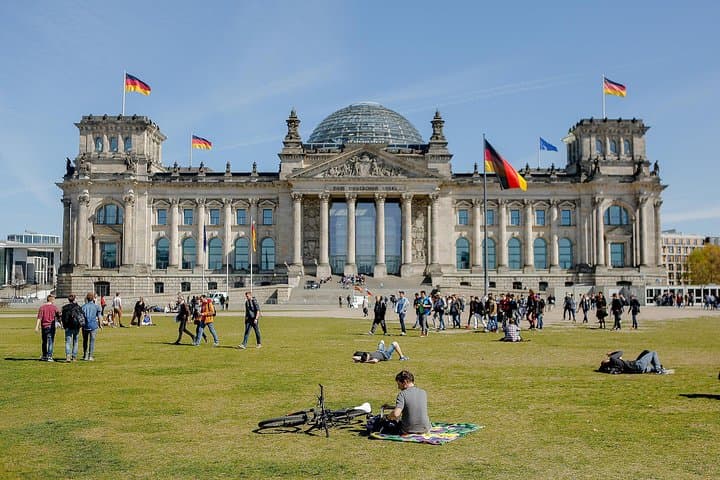
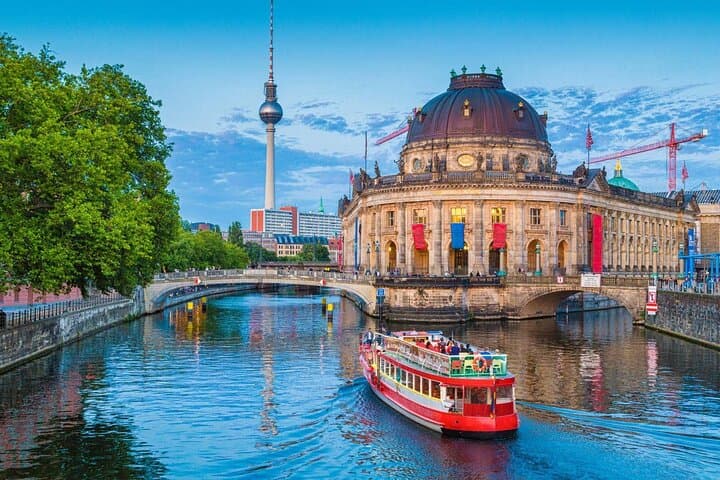
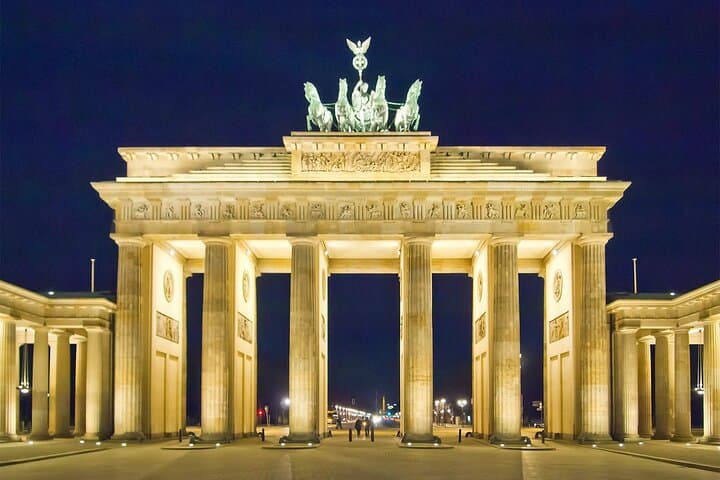
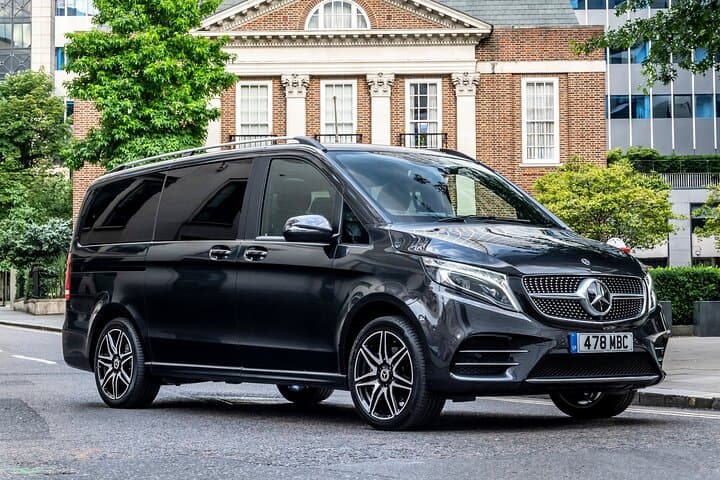
You step into the car as Prague still yawns; the engine hums and the highway unspools toward Germany. By midmorning the city grid gives way to broad boulevards and the Tiergarten’s trees lean over the pavement like watchful hosts. In Berlin the Brandenburg Gate appears—stone and measured—then the Reichstag’s glass dome catches the light as if inviting you to look closer.
You step into the car as Prague still yawns; the engine hums and the highway unspools toward Germany. By midmorning the city grid gives way to broad boulevards and the Tiergarten’s trees lean over the pavement like watchful hosts. In Berlin the Brandenburg Gate appears—stone and measured—then the Reichstag’s glass dome catches the light as if inviting you to look closer.
Berlin is a city of scars and reinvention: Cold War divisions left concrete canvases that today host elaborate murals along the East Side Gallery, while Prussian-era avenues such as Unter den Linden frame a layered urban history. Geologically the region sits on low-lying glacial plains; the city’s open parks and former river channels make for unexpectedly green sightlines, and places like Tempelhofer Feld recall the city’s aviation past.
Culturally, Berlin moves at its own tempo—street art, memorials, neighborhood markets and café culture collide in short blocks. A private guide compresses context and routes into a tidy three-hour walking segment, while private transportation covers long distances and hotel pickup returns the group to Prague before nightfall.
Practical guidance: start early, bring passports (Schengen travel but ID is required), and expect long periods in the vehicle punctuated by brisk, often paved walks. Wear supportive shoes and layers—the city’s weather can shift quickly. Pack a portable charger and photocapable ID for museum lines. For those who prefer less driving, consider an outline that replaces the Prague–Berlin drive with train travel and a Berlin-only itinerary to lower your carbon footprint.