THE ADVENTURE COLLECTIVE® · Independent discovery and booking for outdoor travel

Walk Prague’s post‑Communist landmarks with a local guide and see how art, politics, and architecture reshape the city’s public spaces. This 90‑minute tour highlights the Dancing House, Žižkov Tower, Lennon Wall and works by David Černý, pairing history with on‑the‑ground insight.
Walk Prague’s post‑Communist landmarks with a local guide and see how art, politics, and architecture reshape the city’s public spaces. This 90‑minute tour highlights the Dancing House, Žižkov Tower, Lennon Wall and works by David Černý, pairing history with on‑the‑ground insight.
You step off the tram and the city reasserts itself: cobblestones underfoot, the Vltava nudging traffic along its banks, and a skyline that alternates between austere spires and playful modern silhouettes.
Verified experiences and guided adventures in the surrounding area.
Operated by LocalBini - The go-to platform for Experiences by Locals in Europe · Prague, Prague
You step off the tram and the city reasserts itself: cobblestones underfoot, the Vltava nudging traffic along its banks, and a skyline that alternates between austere spires and playful modern silhouettes.
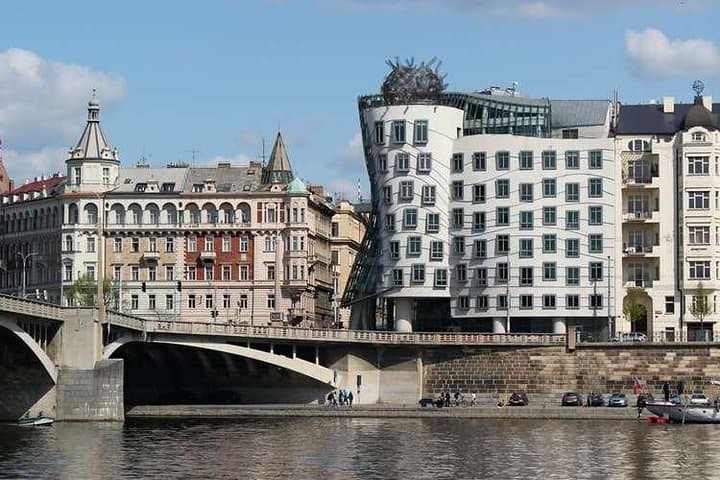
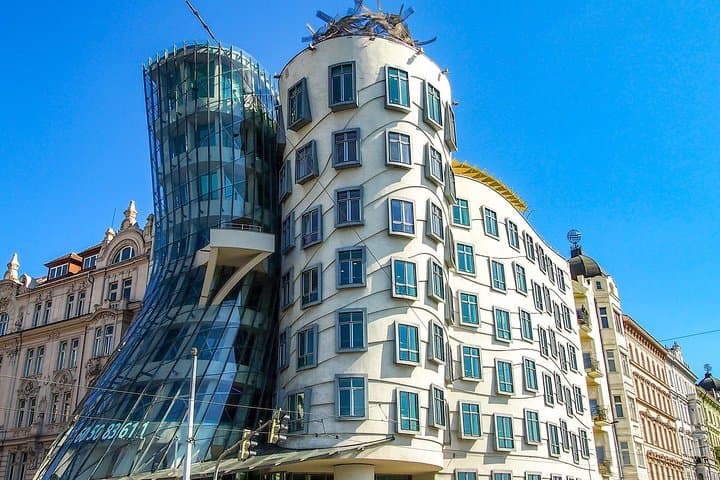
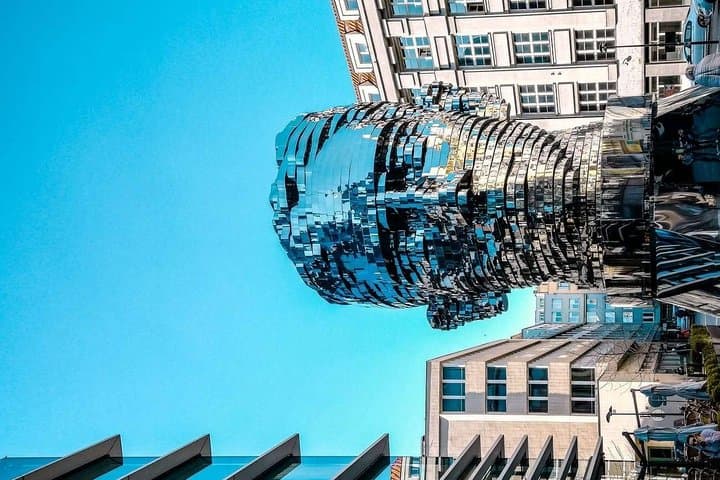
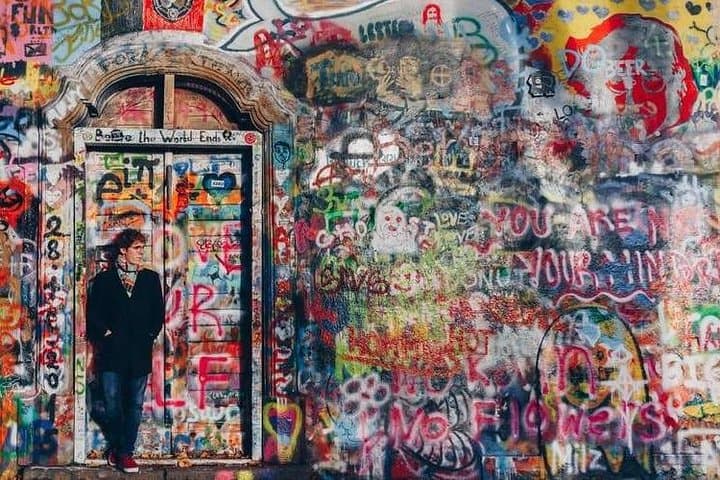
This 90‑minute walk threads through Prague’s late‑20th‑century conversation — the Dancing House’s contorted glass answering the rigid lines of socialist blocks, the Žižkov Television Tower rising like an awkward question from the 1980s skyline, and the Lennon Wall’s layers of paint marking decades of dissent. Local sculptor David Černý’s provocations — from cheeky bronze figures to other public stunts — punctuate the route and spark conversation about art’s role in a changing public sphere.
Historically, Prague’s architecture records rapid political shifts: empire, interwar innovation, wartime occupation, four decades of Communist rule, and the Velvet Revolution’s swift reclaiming of public space. The geology underfoot — river plains and low hills — helped concentrate development along the Vltava, giving many of these modern works dramatic foregrounds.
Practical guidance: expect 90 minutes of easy walking on uneven city pavement and occasional steps; wear stable shoes and a light layer. Bring a charged phone for photos, but be respectful at politically significant sites. Start mid‑morning to avoid rush hour and to catch soft light on the façades.
What you’ll leave with is a sharper sense of Prague as a living city where history and contemporary art argue in the open — an urban stroll that teaches as it surprises.
easy.
1.5 hours (90 minutes).
Light urban walking ability — comfortable standing and walking for 90 minutes with short pauses.
Meeting location is typically a central tram stop or public square in Prague’s center; check your booking confirmation for the exact address and be there 10 minutes early.
Yes — the pace is gentle and accessible to most ages, though participants should be able to walk for 90 minutes on city pavement.
Tours are generally conducted in English; check the booking page for language options or private‑tour requests.
Walks proceed in light rain — bring a rain jacket; for heavy storms or extreme conditions, cancellations or rescheduling options are provided per the operator’s policy.
Prague’s public art traces a 20th‑century arc from Austro‑Hungarian rule to the First Republic, Nazi occupation, decades of Communist governance, and the Velvet Revolution of 1989 that reopened public discourse.
Street art and political murals are fragile cultural assets; visitors should avoid altering surfaces and support local guides and cultural institutions that maintain these sites.
LocalBini - The go-to platform for Experiences by Locals in Europe operates guided outdoor trips and adventures with an emphasis on safety, stewardship, and memorable experiences.
You step off the tram and the city reasserts itself: cobblestones underfoot, the Vltava nudging traffic along its banks, and a skyline that alternates between austere spires and playful modern silhouettes.
You step off the tram and the city reasserts itself: cobblestones underfoot, the Vltava nudging traffic along its banks, and a skyline that alternates between austere spires and playful modern silhouettes.
This 90‑minute walk threads through Prague’s late‑20th‑century conversation — the Dancing House’s contorted glass answering the rigid lines of socialist blocks, the Žižkov Television Tower rising like an awkward question from the 1980s skyline, and the Lennon Wall’s layers of paint marking decades of dissent. Local sculptor David Černý’s provocations — from cheeky bronze figures to other public stunts — punctuate the route and spark conversation about art’s role in a changing public sphere.
Historically, Prague’s architecture records rapid political shifts: empire, interwar innovation, wartime occupation, four decades of Communist rule, and the Velvet Revolution’s swift reclaiming of public space. The geology underfoot — river plains and low hills — helped concentrate development along the Vltava, giving many of these modern works dramatic foregrounds.
Practical guidance: expect 90 minutes of easy walking on uneven city pavement and occasional steps; wear stable shoes and a light layer. Bring a charged phone for photos, but be respectful at politically significant sites. Start mid‑morning to avoid rush hour and to catch soft light on the façades.
What you’ll leave with is a sharper sense of Prague as a living city where history and contemporary art argue in the open — an urban stroll that teaches as it surprises.