THE ADVENTURE COLLECTIVE® · Independent discovery and booking for outdoor travel

A 90‑minute guided walk that takes you from the Dancing House to Letná Park, combining expert local storytelling with the best photo angles in Prague. Ideal for first‑time visitors who want quick access to iconic and lesser‑seen sights.
A 90‑minute guided walk that takes you from the Dancing House to Letná Park, combining expert local storytelling with the best photo angles in Prague. Ideal for first‑time visitors who want quick access to iconic and lesser‑seen sights.
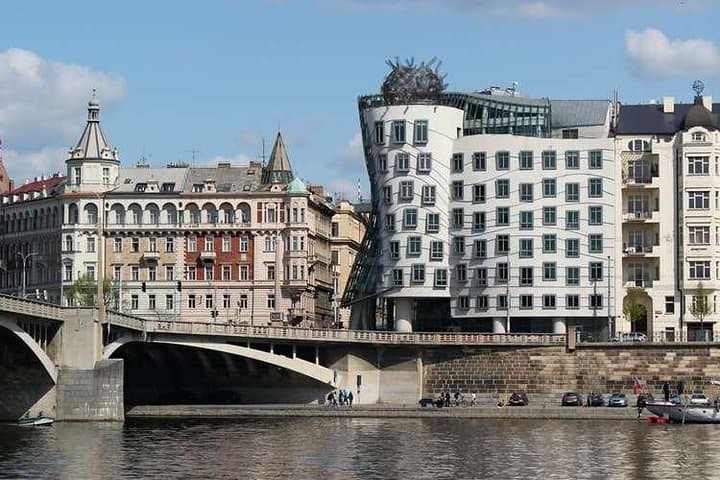
Morning light slides across the Vltava and Prague answers in stone and metal—bridges, spires and a Metronome that keeps the city’s rhythm. You meet your local guide near the river, cameras slung, and set off through streets that change expression every block: the Dancing House’s modern curves, the rotating Kafka head, then the dense, human history of Old Town Square.
Verified experiences and guided adventures in the surrounding area.
Operated by LocalBini - The go-to platform for Experiences by Locals in Europe · Prague, Prague
Morning light slides across the Vltava and Prague answers in stone and metal—bridges, spires and a Metronome that keeps the city’s rhythm. You meet your local guide near the river, cameras slung, and set off through streets that change expression every block: the Dancing House’s modern curves, the rotating Kafka head, then the dense, human history of Old Town Square.
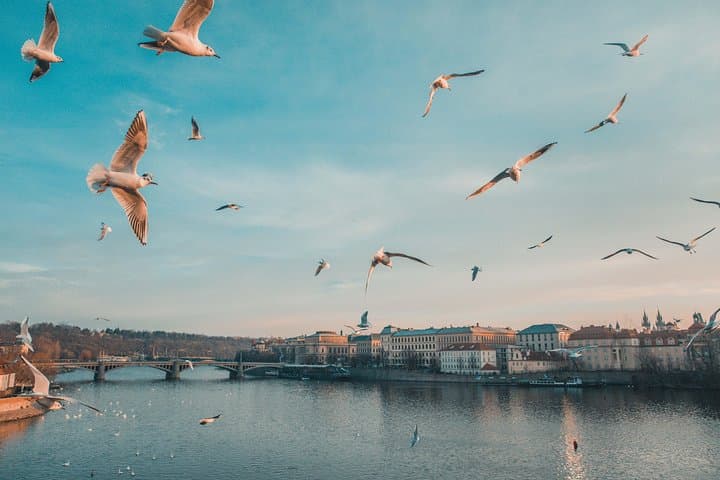
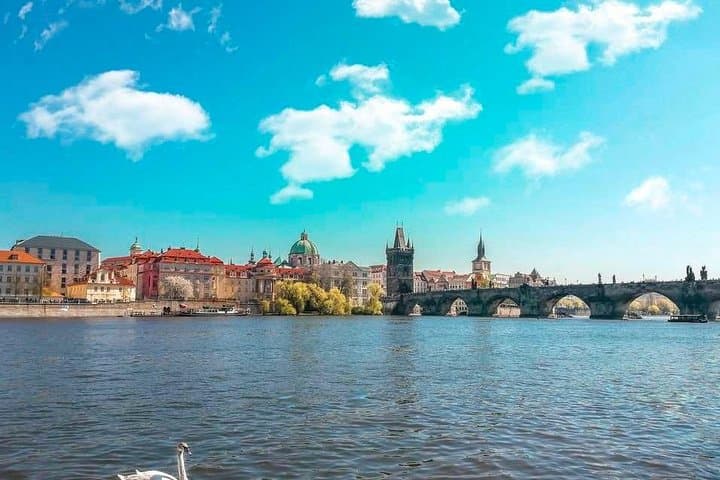
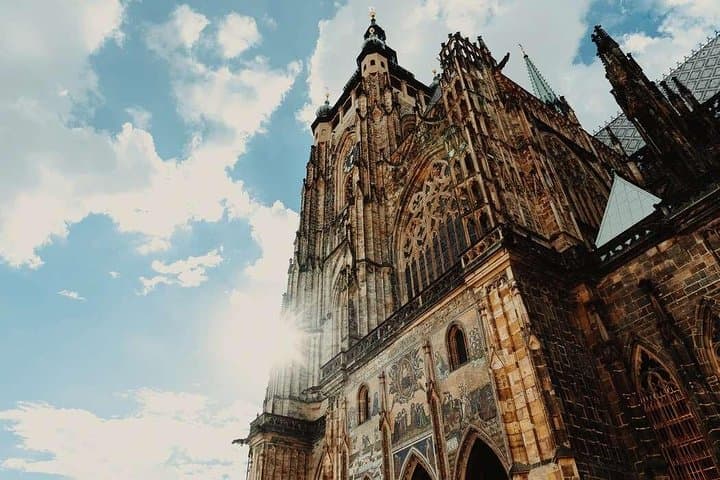
Prague’s architecture maps centuries: Gothic silhouettes from the medieval period, Baroque facades from its Habsburg era, and 20th‑century interventions that push the city into surprising compositions. The Charles Bridge still hums with buskers and statues that have watched the city through floods and revolutions. Letná Park gives you a clean vantage—city rooftops unfold like a photo negative while the Vltava winds below, daring you to find a new angle.
Cultural notes come easily: Lennon Wall graffiti as living protest, Pařížská Street’s art nouveau buildings recalling Prague’s turn‑of‑the‑century cosmopolitanism, and Černý’s sculptures prodding modern sensibilities. Expect a tour shaped by a guide who balances story with composition—where to shoot light on the Astronomical Clock, or which alley will flatten crowds.
Practical guidance: wear comfortable shoes for paved cobbles, bring extra batteries or a power bank, and plan for 90 minutes of mostly flat walking with frequent photo stops. Arrive early for softer light and fewer tourists; use public transport to reach the meeting point and keep small change for trams. The pace is adaptable—bring a sense of curiosity and a charged camera.
easy.
1.5 hours.
Suitable for most visitors; able to walk ~1–2 miles and stand for short periods
The meeting point is near the riverfront close to the Dancing House; your booking confirmation includes a map pin and public transport directions.
Yes—short, flat walks make it accessible for children and strollers, though some cobbles may be bumpy.
No—this is a walking tour; entry fees for museums or paid attractions are not included but can be arranged separately.
The tour is hosted by a local guide; availability in specific languages varies by schedule—check the booking page for current options.
Prague’s layered skyline reflects medieval trade routes, Habsburg-era urban design, and 20th‑century modernism; public art often comments on political history.
High foot traffic concentrates wear on historic paving and monuments—follow local guidance, avoid littering, and respect graffiti that has cultural significance.
LocalBini - The go-to platform for Experiences by Locals in Europe operates guided outdoor trips and adventures with an emphasis on safety, stewardship, and memorable experiences.
Morning light slides across the Vltava and Prague answers in stone and metal—bridges, spires and a Metronome that keeps the city’s rhythm. You meet your local guide near the river, cameras slung, and set off through streets that change expression every block: the Dancing House’s modern curves, the rotating Kafka head, then the dense, human history of Old Town Square.
Morning light slides across the Vltava and Prague answers in stone and metal—bridges, spires and a Metronome that keeps the city’s rhythm. You meet your local guide near the river, cameras slung, and set off through streets that change expression every block: the Dancing House’s modern curves, the rotating Kafka head, then the dense, human history of Old Town Square.
Prague’s architecture maps centuries: Gothic silhouettes from the medieval period, Baroque facades from its Habsburg era, and 20th‑century interventions that push the city into surprising compositions. The Charles Bridge still hums with buskers and statues that have watched the city through floods and revolutions. Letná Park gives you a clean vantage—city rooftops unfold like a photo negative while the Vltava winds below, daring you to find a new angle.
Cultural notes come easily: Lennon Wall graffiti as living protest, Pařížská Street’s art nouveau buildings recalling Prague’s turn‑of‑the‑century cosmopolitanism, and Černý’s sculptures prodding modern sensibilities. Expect a tour shaped by a guide who balances story with composition—where to shoot light on the Astronomical Clock, or which alley will flatten crowds.
Practical guidance: wear comfortable shoes for paved cobbles, bring extra batteries or a power bank, and plan for 90 minutes of mostly flat walking with frequent photo stops. Arrive early for softer light and fewer tourists; use public transport to reach the meeting point and keep small change for trams. The pace is adaptable—bring a sense of curiosity and a charged camera.