THE ADVENTURE COLLECTIVE® · Independent discovery and booking for outdoor travel

Trace Prague’s turbulent 20th century on a private walking tour from Josefov’s synagogues to Wenceslas Square. Choose a concise 2‑hour route or a 4‑hour option that includes the Museum of Communism for a fuller historical picture.
Trace Prague’s turbulent 20th century on a private walking tour from Josefov’s synagogues to Wenceslas Square. Choose a concise 2‑hour route or a 4‑hour option that includes the Museum of Communism for a fuller historical picture.
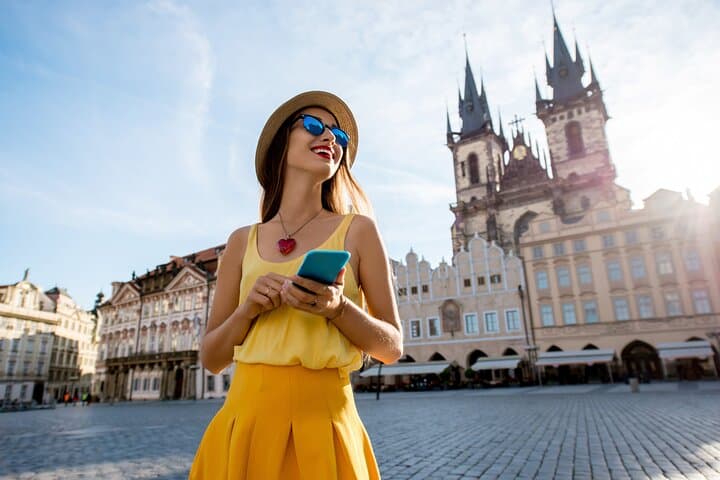
A late-morning in Prague’s Old Town begins with the city’s cobbles warming underfoot and the Astronomical Clock’s face watching like an old, mechanical chronicle. Guides meet outside the World of Franz Kafka and the group slips into narrow lanes where façades still carry scuffs from gunfire and the hush of memory. The streets push visitors from synagogue courtyards through squares where demonstrators once gathered and toward plaques that mark resistance and sacrifice.
Verified experiences and guided adventures in the surrounding area.
Operated by Rosotravel - Ostrava City Tours · Prague, Prague
A late-morning in Prague’s Old Town begins with the city’s cobbles warming underfoot and the Astronomical Clock’s face watching like an old, mechanical chronicle. Guides meet outside the World of Franz Kafka and the group slips into narrow lanes where façades still carry scuffs from gunfire and the hush of memory. The streets push visitors from synagogue courtyards through squares where demonstrators once gathered and toward plaques that mark resistance and sacrifice.
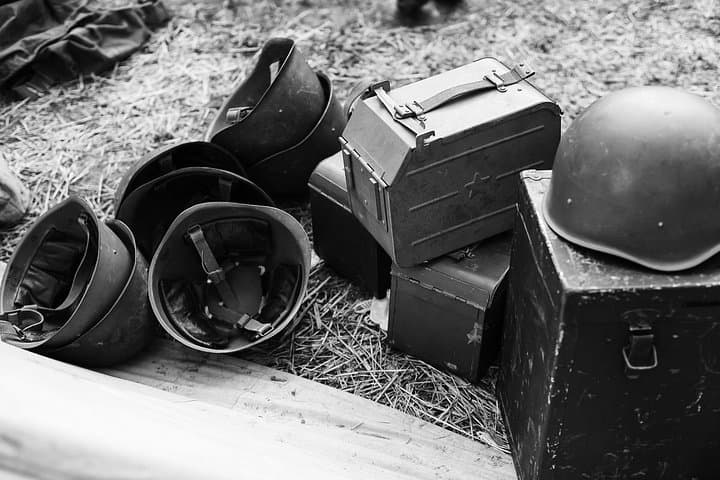
This tour threads together Prague’s 20th‑century story: the German occupation, Operation Anthropoid and the 1945 Prague Uprising, then the postwar Communist era that reshaped politics, public life and architecture. Stops include Josefov’s Maisel and Spanish Synagogues, the Petschek Palace—once Gestapo HQ—and the broad sweep of Wenceslas Square where the Velvet Revolution unfolded. The optional Museum of Communism adds artifacts and propaganda posters that clarify everyday life under the regime.
Practicalities matter: choose the 2‑hour route for a concise walking history or the 4‑hour option to add the museum visit. The pace is urban and accessible—cobblestones demand steady shoes and attention to tram and pedestrian traffic. Tours are private and wheelchair‑accessible; museum admission is only included in the extended option. Expect 2–4 hours on foot, multilingual expert commentary, and chances to ask about local stories not in guidebooks.
Plan to arrive early to avoid crowds at the Old Town Square, carry a small bottle of water, and leave room for a café stop afterward—Prague’s coffee culture keeps the conversation going long after the history lesson ends.
easy.
2–4 hours.
Suitable for most fitness levels; requires ability to walk on uneven urban terrain for several hours.
Yes—this private tour notes wheelchair accessibility, though cobblestones may require assistance in places; confirm any specific mobility needs when booking.
Museum admission is included only in the 4‑hour option; the 2‑hour tour covers outdoor sites and synagogues without museum entry.
The meeting point is in front of the World of Franz Kafka, Nám. Franze Kafky 16/1, in Prague’s Old Town—look for your guide there at the scheduled time.
Yes—this is a private tour and guides can tailor the itinerary and emphasis (WWII, resistance, Communist era) based on your interests; note that the number of attractions varies by option.
Prague was central to key 20th‑century events: Nazi occupation, the 1945 uprising, and four decades of Communist rule that culminated in the 1989 Velvet Revolution.
Respect memorial sites and urban heritage by staying on paved paths, avoiding touching fragile plaques, and supporting museums that preserve primary sources and oral histories.
Rosotravel - Ostrava City Tours operates guided outdoor trips and adventures with an emphasis on safety, stewardship, and memorable experiences.


A late-morning in Prague’s Old Town begins with the city’s cobbles warming underfoot and the Astronomical Clock’s face watching like an old, mechanical chronicle. Guides meet outside the World of Franz Kafka and the group slips into narrow lanes where façades still carry scuffs from gunfire and the hush of memory. The streets push visitors from synagogue courtyards through squares where demonstrators once gathered and toward plaques that mark resistance and sacrifice.
A late-morning in Prague’s Old Town begins with the city’s cobbles warming underfoot and the Astronomical Clock’s face watching like an old, mechanical chronicle. Guides meet outside the World of Franz Kafka and the group slips into narrow lanes where façades still carry scuffs from gunfire and the hush of memory. The streets push visitors from synagogue courtyards through squares where demonstrators once gathered and toward plaques that mark resistance and sacrifice.
This tour threads together Prague’s 20th‑century story: the German occupation, Operation Anthropoid and the 1945 Prague Uprising, then the postwar Communist era that reshaped politics, public life and architecture. Stops include Josefov’s Maisel and Spanish Synagogues, the Petschek Palace—once Gestapo HQ—and the broad sweep of Wenceslas Square where the Velvet Revolution unfolded. The optional Museum of Communism adds artifacts and propaganda posters that clarify everyday life under the regime.
Practicalities matter: choose the 2‑hour route for a concise walking history or the 4‑hour option to add the museum visit. The pace is urban and accessible—cobblestones demand steady shoes and attention to tram and pedestrian traffic. Tours are private and wheelchair‑accessible; museum admission is only included in the extended option. Expect 2–4 hours on foot, multilingual expert commentary, and chances to ask about local stories not in guidebooks.
Plan to arrive early to avoid crowds at the Old Town Square, carry a small bottle of water, and leave room for a café stop afterward—Prague’s coffee culture keeps the conversation going long after the history lesson ends.