THE ADVENTURE COLLECTIVE® · Independent discovery and booking for outdoor travel

Walk the line between medieval and modern in Prague’s Old and New Towns. This three‑hour guided route highlights the astronomical clock, Wenceslas Square and the narrow streets where the city’s history is most visible.
Walk the line between medieval and modern in Prague’s Old and New Towns. This three‑hour guided route highlights the astronomical clock, Wenceslas Square and the narrow streets where the city’s history is most visible.
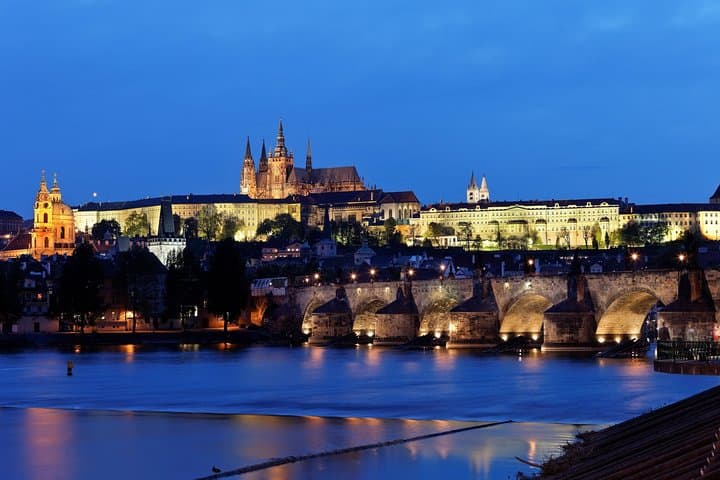
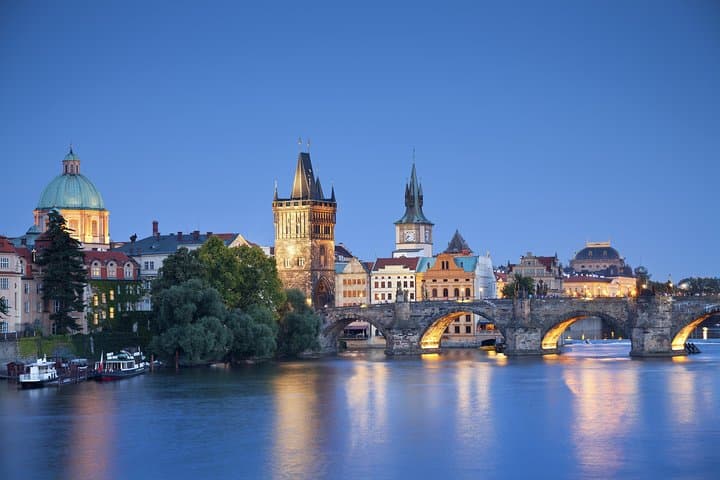
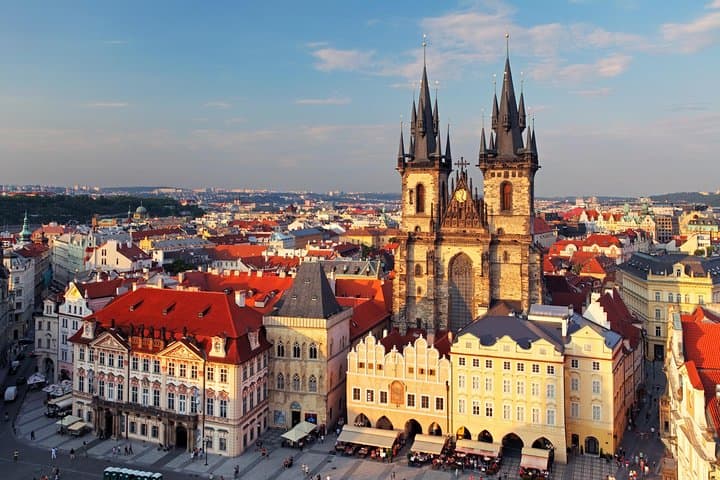
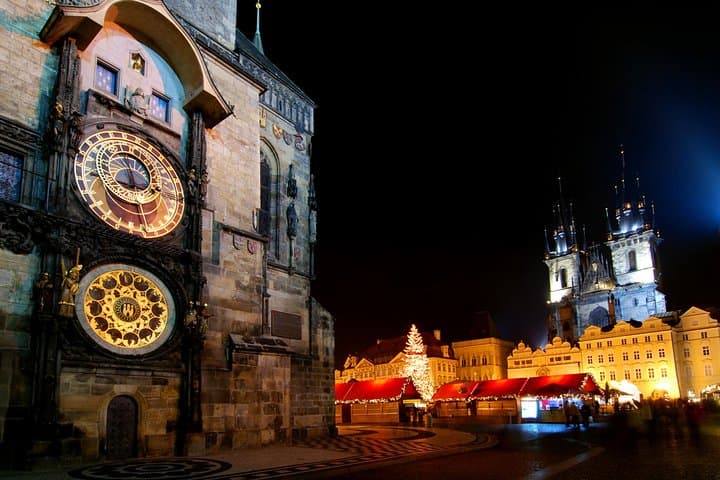
You step off the tram and the cobbles answer underfoot: a theater of spires, merchants’ façades and the Vltava tipping light across bridges. The Old Town Square opens like a chapter — churches, guild houses and the astronomical clock that still gathers a crowd every hour.
Verified experiences and guided adventures in the surrounding area.
Operated by Precious Legacy Tours s.r.o · Prague, Prague
You step off the tram and the cobbles answer underfoot: a theater of spires, merchants’ façades and the Vltava tipping light across bridges. The Old Town Square opens like a chapter — churches, guild houses and the astronomical clock that still gathers a crowd every hour.
Old Town is one of Europe’s oldest public spaces, with records stretching back more than 700 years; across the water, New Town (Nové Město) dates to Charles IV’s 14th‑century urban expansion and shows Prague’s evolution from medieval guild center to modern capital. Geologically the city is shaped by the Vltava’s terraces and low hills — Petřín and Letná add green relief and viewpoints — and those features shape how you move through neighborhoods: narrow alleys, stepped lanes and wide boulevards.
Culture here is tactile: cafés pour thick espresso, boulangeries share pavements with churches, and the city wears its Gothic and Baroque layers in plain sight. The medieval astronomical clock, Wenceslas Square and the narrow lanes of the Jewish Quarter are highlights on a compact route that balances monuments with everyday life.
Practical guide: this is a roughly three‑hour, low‑elevation urban walk over uneven cobblestones — bring supportive shoes, a water bottle and weather layers. Start early to avoid clock crowds and late‑afternoon tour groups. Expect frequent photo stops and some uphill stretches if you detour to viewpoints. The guide will point out architectural details and local stories; your job is to keep pace, stay aware of pickpockets in crowded areas, and enjoy the city’s layered history.
easy.
3 hours.
Suitable for most fitness levels; requires standing and walking on uneven surfaces for several hours.
The guided route lasts about three hours and covers key sites in Old and New Town at a walking pace.
Yes—it's rated easy. Expect some standing and brief uphill stretches; bring rest breaks if needed.
This listing specifies an English-speaking professional guide; check with the operator for other language options.
Full refund is available if you cancel at least 24 hours before departure; shorter notice is not refundable.
Old Town Square has functioned as Prague’s civic heart for centuries; New Town was laid out by Charles IV in 1348, reflecting medieval urban planning ambitions.
Prague’s historic center is protected as a UNESCO site; visitors help preserve its fabric by staying on marked paths, respecting interiors, and limiting single‑use plastics.
Precious Legacy Tours s.r.o operates guided outdoor trips and adventures with an emphasis on safety, stewardship, and memorable experiences.
You step off the tram and the cobbles answer underfoot: a theater of spires, merchants’ façades and the Vltava tipping light across bridges. The Old Town Square opens like a chapter — churches, guild houses and the astronomical clock that still gathers a crowd every hour.
You step off the tram and the cobbles answer underfoot: a theater of spires, merchants’ façades and the Vltava tipping light across bridges. The Old Town Square opens like a chapter — churches, guild houses and the astronomical clock that still gathers a crowd every hour.
Old Town is one of Europe’s oldest public spaces, with records stretching back more than 700 years; across the water, New Town (Nové Město) dates to Charles IV’s 14th‑century urban expansion and shows Prague’s evolution from medieval guild center to modern capital. Geologically the city is shaped by the Vltava’s terraces and low hills — Petřín and Letná add green relief and viewpoints — and those features shape how you move through neighborhoods: narrow alleys, stepped lanes and wide boulevards.
Culture here is tactile: cafés pour thick espresso, boulangeries share pavements with churches, and the city wears its Gothic and Baroque layers in plain sight. The medieval astronomical clock, Wenceslas Square and the narrow lanes of the Jewish Quarter are highlights on a compact route that balances monuments with everyday life.
Practical guide: this is a roughly three‑hour, low‑elevation urban walk over uneven cobblestones — bring supportive shoes, a water bottle and weather layers. Start early to avoid clock crowds and late‑afternoon tour groups. Expect frequent photo stops and some uphill stretches if you detour to viewpoints. The guide will point out architectural details and local stories; your job is to keep pace, stay aware of pickpockets in crowded areas, and enjoy the city’s layered history.