THE ADVENTURE COLLECTIVE® · Independent discovery and booking for outdoor travel

Explore Josefov at your own pace with an online audio guide that narrates synagogues, the Old Jewish Cemetery and cultural context. Ideal for independent walkers who want history and direction without bundled admission tickets.
Explore Josefov at your own pace with an online audio guide that narrates synagogues, the Old Jewish Cemetery and cultural context. Ideal for independent walkers who want history and direction without bundled admission tickets.
A traveler steps off the tram and onto cobblestones that still remember centuries of footsteps—here Josefov unfolds in a compact series of courtyards, synagogues and a cemetery whose tombstones rise like a city of stone.
Verified experiences and guided adventures in the surrounding area.
Operated by Get Prague Guide · Prague, Prague
A traveler steps off the tram and onto cobblestones that still remember centuries of footsteps—here Josefov unfolds in a compact series of courtyards, synagogues and a cemetery whose tombstones rise like a city of stone.
The audio guide leads visitors from exterior to exterior, placing each facade and plaque into context: the medieval ghetto that became Josefov, the 19th‑century Josephine reforms that reshaped civic life, and the painful ruptures of the 20th century. Listeners hear stories tied to real addresses—the Old-New Synagogue's continuous ritual use, the Spanish Synagogue's theatrical interiors, and the Maisel Synagogue's museum displays—while an integrated map keeps navigation simple.
Geology and streetscape are part of the experience: Prague's compact island of historical fabric sits on layered river gravels above the Vltava, so routes are mostly flat but punctuated by narrow alleys and repeated thresholds between public square and sacred space. Culture here is lived: kosher cafes, memorial plaques, and guided tours share the same sidewalks.
Practical guidance: plan 60–120 minutes but allow more to read inscriptions and visit exhibitions where you hold separate tickets. A reliable internet connection improves map syncing, but download images or screenshots if you expect black spots. Keep volume respectful near services and ceremonies, and use headphones. The guide is wheelchair- and stroller-friendly on main surfaces, though some historic thresholds and cemetery lanes are uneven—move at a measured pace and carry a charged phone for navigation and vouchers included in the guide.
easy.
1–2 hours.
Suitable for most fitness levels; walking on flat but uneven urban surfaces.
No—the guide provides exterior narration and historical context only; purchase any required entry tickets separately at venues or online.
The online map and some content require an internet connection; save screenshots or check whether the provider offers an offline option before you go.
Main thoroughfares and many exterior viewpoints are wheelchair- and stroller-friendly, but some historic thresholds and cemetery lanes remain uneven—plan accordingly.
The suggested duration is 60–120 minutes; allow extra time if you intend to buy tickets and enter synagogues or museums.
Josefov was Prague’s Jewish ghetto from the medieval period through modern times; its surviving synagogues and cemetery reflect layers of communal life, 19th‑century reforms, and wartime losses.
The quarter is under heritage protection—stay on marked paths, avoid touching fragile stonework, and support local preservation by buying museum tickets and following site rules.
Get Prague Guide operates guided outdoor trips and adventures with an emphasis on safety, stewardship, and memorable experiences.

A traveler steps off the tram and onto cobblestones that still remember centuries of footsteps—here Josefov unfolds in a compact series of courtyards, synagogues and a cemetery whose tombstones rise like a city of stone.
A traveler steps off the tram and onto cobblestones that still remember centuries of footsteps—here Josefov unfolds in a compact series of courtyards, synagogues and a cemetery whose tombstones rise like a city of stone.
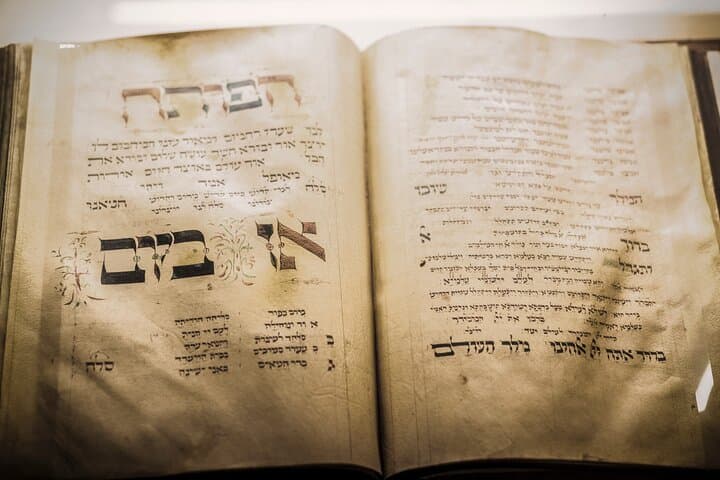
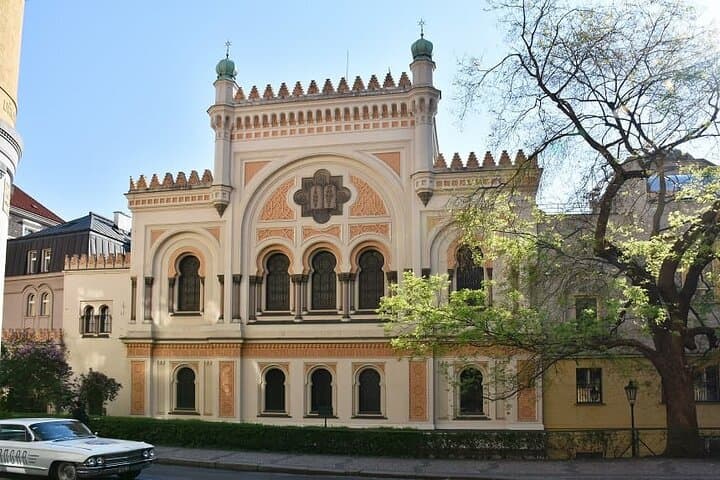
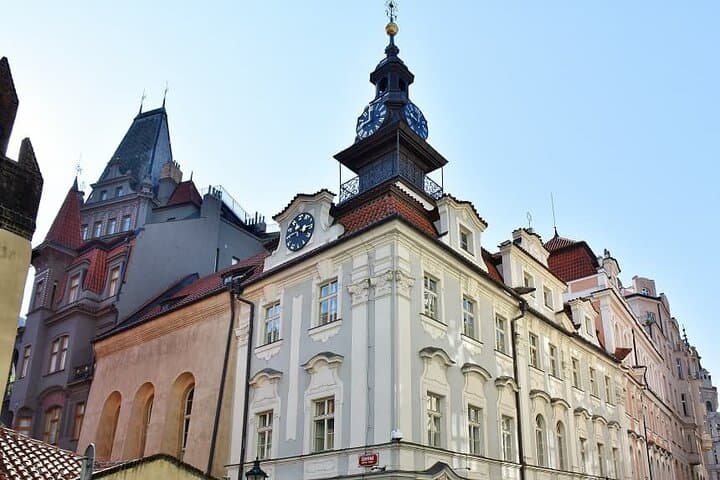
The audio guide leads visitors from exterior to exterior, placing each facade and plaque into context: the medieval ghetto that became Josefov, the 19th‑century Josephine reforms that reshaped civic life, and the painful ruptures of the 20th century. Listeners hear stories tied to real addresses—the Old-New Synagogue's continuous ritual use, the Spanish Synagogue's theatrical interiors, and the Maisel Synagogue's museum displays—while an integrated map keeps navigation simple.
Geology and streetscape are part of the experience: Prague's compact island of historical fabric sits on layered river gravels above the Vltava, so routes are mostly flat but punctuated by narrow alleys and repeated thresholds between public square and sacred space. Culture here is lived: kosher cafes, memorial plaques, and guided tours share the same sidewalks.
Practical guidance: plan 60–120 minutes but allow more to read inscriptions and visit exhibitions where you hold separate tickets. A reliable internet connection improves map syncing, but download images or screenshots if you expect black spots. Keep volume respectful near services and ceremonies, and use headphones. The guide is wheelchair- and stroller-friendly on main surfaces, though some historic thresholds and cemetery lanes are uneven—move at a measured pace and carry a charged phone for navigation and vouchers included in the guide.