THE ADVENTURE COLLECTIVE® · Independent discovery and booking for outdoor travel

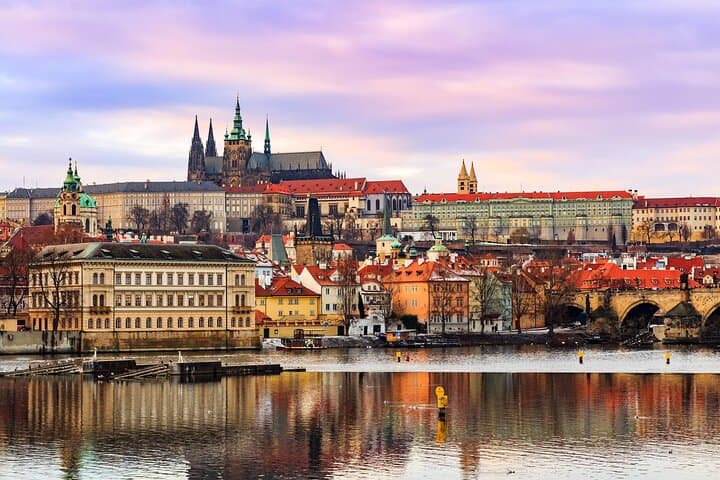
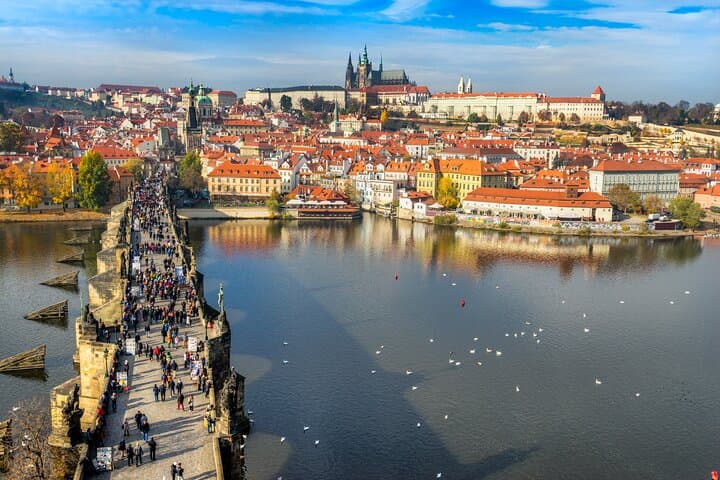
See Prague’s essentials—Prague Castle, Charles Bridge, Old Town and the Astronomical Clock—in a focused 3–4 hour walk. This private half‑day tour pairs sweeping viewpoints with local stories and practical tips for navigating cobbles and crowds.
See Prague’s essentials—Prague Castle, Charles Bridge, Old Town and the Astronomical Clock—in a focused 3–4 hour walk. This private half‑day tour pairs sweeping viewpoints with local stories and practical tips for navigating cobbles and crowds.
You step off the tram into Wenceslas Square and the city opens like a well-thumbed map—granite facades, a rumble of tram tracks, and the Vltava quietly threading the blocks beyond.
Verified experiences and guided adventures in the surrounding area.
Operated by Friendly Walks Prague · Prague, Prague
You step off the tram into Wenceslas Square and the city opens like a well-thumbed map—granite facades, a rumble of tram tracks, and the Vltava quietly threading the blocks beyond.
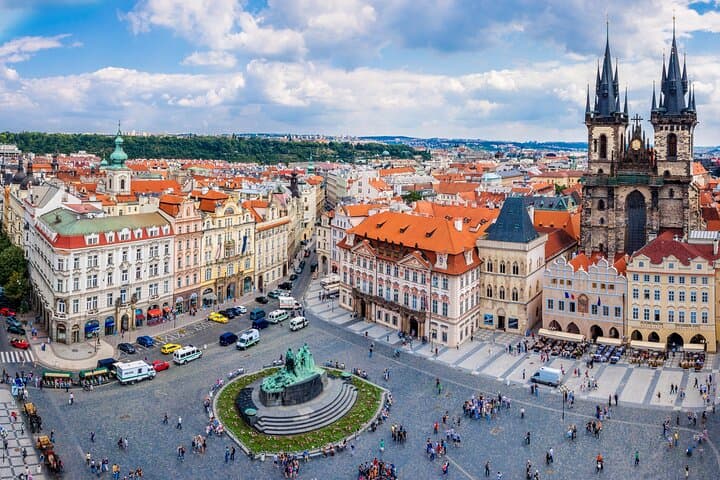
This half-day walking tour stitches together Prague’s major chapters: the Gothic weight of Prague Castle, the baroque domes seen from the castle lookout, and the medieval cobbles of Old Town where the Astronomical Clock still marks time the way it did in the 15th century. Geologically, Prague sits on ancient Bohemian Massif bedrock that gives the city its firm hilltops and exposed stone stairways; architecturally, you’ll move through Romanesque foundations, Gothic spires and Art Nouveau flourishes in the span of a few kilometers.
Culturally the route maps revolutions and writers—Wenceslas Square’s political gatherings, Franz Kafka’s birthplace, and the Jewish Quarter’s layered history. Local guides often add practical quirks: where to taste a proper trdelník, which bridge statues collect the best city light, and where the rooftop terraces give quieter vistas away from crowds.
Practical guidance: plan for 3–4 hours of steady walking on cobbles and occasional stairs; mornings or late afternoons reduce crowds. Bring a lightweight rain layer and shoes with good traction—cobblestones get slick when wet. The tour visits a rooftop viewpoint with panoramic photo opportunities, and public-transport tickets are handled as part of the itinerary. Hydrate, keep valuables close in busy areas, and allow time for short pauses at viewpoints—the city rewards the slow look as much as the brisk walk.
easy.
3–4 hours.
Light to moderate fitness; you should be comfortable walking 3–5 miles (5–8 km) on uneven cobbles with short stair sections.
The guide will confirm a central meeting point—commonly Wenceslas Square—and the route typically finishes near the Old Town or a central tram stop for easy onward travel.
Yes; the tour is rated easy and can be tailored for different paces, though participants should be able to walk for several uninterrupted hours and manage occasional steps.
The standard itinerary includes public transport tickets but generally does not include paid admissions to museums; the guide will indicate optional stops that may require tickets.
Full refunds are typically available if you cancel at least 24 hours before the scheduled departure; check your booking confirmation for exact terms.
Prague Castle is considered one of the largest ancient castle complexes in the world and has been the seat of Czech rulers for centuries.
Prague manages heavy visitor flows by encouraging guided routes and using public transport; travel light, stay on marked paths, and respect memorial sites to reduce wear and preserve historic fabric.
Friendly Walks Prague operates guided outdoor trips and adventures with an emphasis on safety, stewardship, and memorable experiences.
You step off the tram into Wenceslas Square and the city opens like a well-thumbed map—granite facades, a rumble of tram tracks, and the Vltava quietly threading the blocks beyond.
You step off the tram into Wenceslas Square and the city opens like a well-thumbed map—granite facades, a rumble of tram tracks, and the Vltava quietly threading the blocks beyond.
This half-day walking tour stitches together Prague’s major chapters: the Gothic weight of Prague Castle, the baroque domes seen from the castle lookout, and the medieval cobbles of Old Town where the Astronomical Clock still marks time the way it did in the 15th century. Geologically, Prague sits on ancient Bohemian Massif bedrock that gives the city its firm hilltops and exposed stone stairways; architecturally, you’ll move through Romanesque foundations, Gothic spires and Art Nouveau flourishes in the span of a few kilometers.
Culturally the route maps revolutions and writers—Wenceslas Square’s political gatherings, Franz Kafka’s birthplace, and the Jewish Quarter’s layered history. Local guides often add practical quirks: where to taste a proper trdelník, which bridge statues collect the best city light, and where the rooftop terraces give quieter vistas away from crowds.
Practical guidance: plan for 3–4 hours of steady walking on cobbles and occasional stairs; mornings or late afternoons reduce crowds. Bring a lightweight rain layer and shoes with good traction—cobblestones get slick when wet. The tour visits a rooftop viewpoint with panoramic photo opportunities, and public-transport tickets are handled as part of the itinerary. Hydrate, keep valuables close in busy areas, and allow time for short pauses at viewpoints—the city rewards the slow look as much as the brisk walk.