THE ADVENTURE COLLECTIVE® · Independent discovery and booking for outdoor travel

Explore Prague’s Easter markets with a local guide: sample mazanec and mead, learn about kraslice egg-painting, and visit both the Old Town Square and Wenceslas Square markets. This easy, 2.5–3 hour walking tour mixes history, hands-on traditions, and market shopping.
Explore Prague’s Easter markets with a local guide: sample mazanec and mead, learn about kraslice egg-painting, and visit both the Old Town Square and Wenceslas Square markets. This easy, 2.5–3 hour walking tour mixes history, hands-on traditions, and market shopping.
You step out of the shadow of the Old Town Hall into a square humming with voices, painted eggs swinging from willow branches and the scent of warm mazanec drifting over cobblestones.
Verified experiences and guided adventures in the surrounding area.
Operated by Prague City Adventures · Prague, Prague
You step out of the shadow of the Old Town Hall into a square humming with voices, painted eggs swinging from willow branches and the scent of warm mazanec drifting over cobblestones.
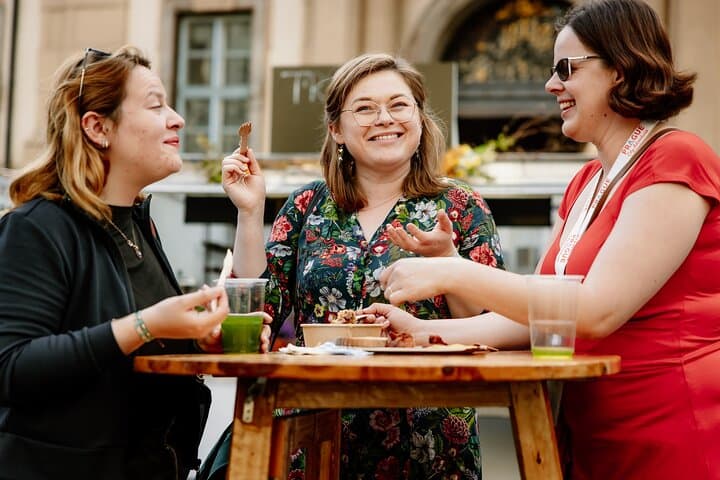
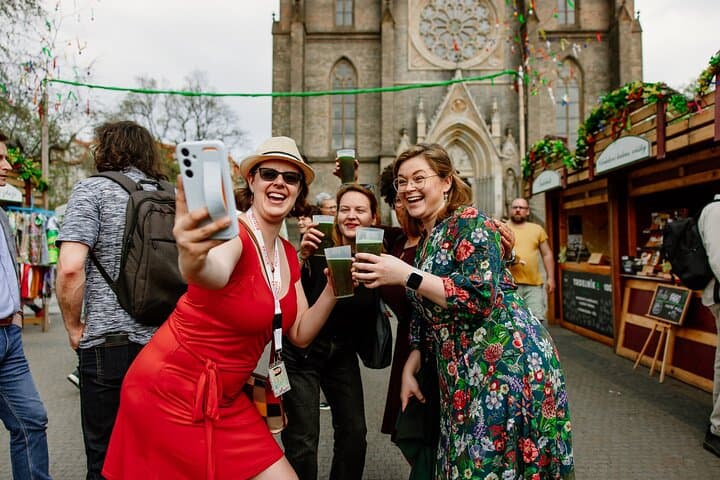
This walking tour threads the city’s spring ritual: the large markets of Old Town and Wenceslas Square and a neighborhood market where Prague’s residents still shop. The guide explains kraslice egg-painting, willow whipping, and the layered history — pagan spring rites folded into Christian Easter practices — while you sample Good Friday bread, sip herbal tea or a small glass of sweet mead, and watch artisans at work.
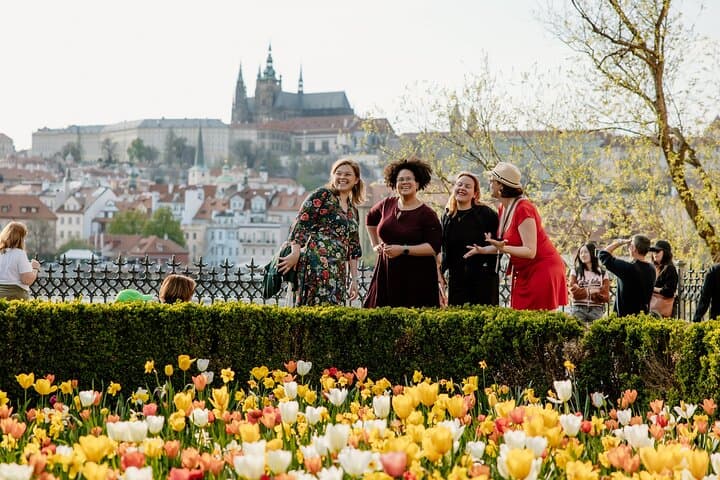
Geology and urban form shape the experience: Prague’s compact medieval core sits on a plateau above the Vltava, its stone streets and Gothic facades formed from Bohemian bedrock and centuries of rebuilding. Cultural details matter here — look for hand-painted eggs that use wax-resist techniques passed down through villages, and stalls selling ceramics from nearby workshops.
Practical side: the tour lasts about 2.5–3 hours, covers mostly flat cobbles, and includes public transport between sites. Wear solid walking shoes, carry a lightweight pack for purchases, and bring small change for vendors who prefer cash. Markets are busiest mid-morning and at dusk; early visits avoid crowds and late stops let you see how locals gather after work. The tour’s local guide and included public-transport pass make navigation simple — leave bigger backpacks at your hotel and come ready to taste, ask questions, and buy directly from artisans.
easy.
2.5–3 hours.
Suitable for most fitness levels; expect light walking and standing for up to 3 hours.
The tour is approximately 2.5–3 hours and covers short public-transport hops plus mostly flat walking on cobbles; plan for light activity.
Yes — traditional snacks like mazanec, Good Friday bread, and a small Easter beverage such as mead or seasonal beer are included during the tour.
Yes — the itinerary notes stroller accessibility and is family-friendly, though cobbles can be bumpy for small wheels.
Yes — tours are led by local guides who explain traditions in English and can offer cultural context and vendor recommendations.
Prague’s markets are built on centuries of Central European trade and seasonal fairs; many Easter customs blend pre-Christian spring rites with church observance, preserved in rural craft traditions.
Support local artisans by buying crafted items rather than mass-produced souvenirs; bring a reusable bag and avoid disposable plastics at the markets.
Prague City Adventures operates guided outdoor trips and adventures with an emphasis on safety, stewardship, and memorable experiences.
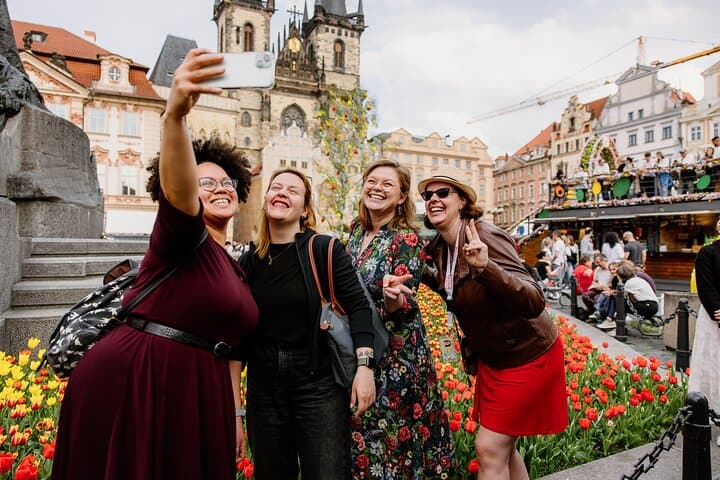
You step out of the shadow of the Old Town Hall into a square humming with voices, painted eggs swinging from willow branches and the scent of warm mazanec drifting over cobblestones.
You step out of the shadow of the Old Town Hall into a square humming with voices, painted eggs swinging from willow branches and the scent of warm mazanec drifting over cobblestones.
This walking tour threads the city’s spring ritual: the large markets of Old Town and Wenceslas Square and a neighborhood market where Prague’s residents still shop. The guide explains kraslice egg-painting, willow whipping, and the layered history — pagan spring rites folded into Christian Easter practices — while you sample Good Friday bread, sip herbal tea or a small glass of sweet mead, and watch artisans at work.
Geology and urban form shape the experience: Prague’s compact medieval core sits on a plateau above the Vltava, its stone streets and Gothic facades formed from Bohemian bedrock and centuries of rebuilding. Cultural details matter here — look for hand-painted eggs that use wax-resist techniques passed down through villages, and stalls selling ceramics from nearby workshops.
Practical side: the tour lasts about 2.5–3 hours, covers mostly flat cobbles, and includes public transport between sites. Wear solid walking shoes, carry a lightweight pack for purchases, and bring small change for vendors who prefer cash. Markets are busiest mid-morning and at dusk; early visits avoid crowds and late stops let you see how locals gather after work. The tour’s local guide and included public-transport pass make navigation simple — leave bigger backpacks at your hotel and come ready to taste, ask questions, and buy directly from artisans.