THE ADVENTURE COLLECTIVE® · Independent discovery and booking for outdoor travel

Learn to make rye sourdough, potato sauerkraut pancakes, and fruit dumplings in an intimate 400‑year‑old Prague home. This hands‑on evening blends technique, tasting, and a communal sit‑down meal with local wines and spirits.
Learn to make rye sourdough, potato sauerkraut pancakes, and fruit dumplings in an intimate 400‑year‑old Prague home. This hands‑on evening blends technique, tasting, and a communal sit‑down meal with local wines and spirits.
Step through a heavy wooden door into a 400‑year‑old Prague residence where the city’s stone and river air seem to breathe into the kitchen. Light from tall windows picks out jars of pickles and stacked loaves of sourdough rye as your host lays out farm cheeses, smoked meats, and a line of local spirits.
Verified experiences and guided adventures in the surrounding area.
Operated by eatwith · Prague, Prague
Step through a heavy wooden door into a 400‑year‑old Prague residence where the city’s stone and river air seem to breathe into the kitchen. Light from tall windows picks out jars of pickles and stacked loaves of sourdough rye as your host lays out farm cheeses, smoked meats, and a line of local spirits.
Czech cooking sits at the crossroads of Bohemian agrarian tradition and Austro‑Hungarian influence: dense breads built for long winters, fermented cabbage for preservation, and sweets that marry fruit with fresh curd. The class walks you through three traditional preparations—rye sourdough or bread dumplings, potato sauerkraut pancakes, and fruit dumplings—then moves to classic mains like svíčková or beef goulash. Alongside culinary technique, expect short stories about Prague’s markets, the Vltava’s role in trade, and how local limestone and river terraces shaped neighborhood foodways.
This is part demonstration, part hands‑on workshop and part communal dinner: you cook, then sit and taste with new company. Practical notes—confirm dietary needs ahead of time, bring a small appetite, and plan for roughly 3.5 hours in the evening. Public transport and short walks get you to the historic center; wear comfortable shoes for cobbled streets. For home cooks, the host emphasizes method over exact measurements so you leave able to approximate these recipes in your own kitchen.
The experience balances warm, practical instruction with the cultural context of Prague’s food—useful, flavorful, and rooted in place.
easy.
3–3.5 hours.
Minimal physical fitness required; able to stand and move around a kitchen for the session.
Yes—hosts ask you to communicate allergies or special diets when booking so they can plan substitutions where possible.
Classes are typically taught in English by knowledgeable hosts; check booking notes if you require a different language.
The full meeting address appears on your confirmation voucher in the “Before You Go” section; organizers often meet you at the door.
Yes—local wines, beer, and fruit brandies are offered as part of the dinner and tasting components.
The building dates back roughly 400 years, reflecting Prague’s layered history from medieval trade routes to Habsburg culinary influence.
Hosts favor local produce and traditional preservation techniques; minimizing food waste and sourcing regionally helps support Prague’s small producers.
eatwith operates guided outdoor trips and adventures with an emphasis on safety, stewardship, and memorable experiences.

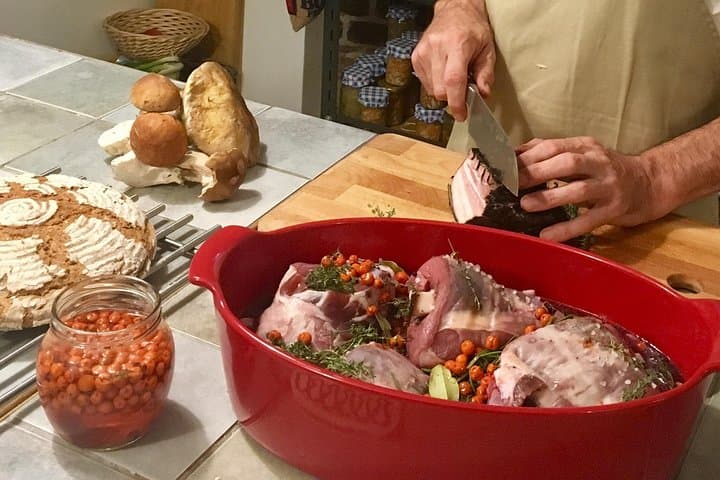
Step through a heavy wooden door into a 400‑year‑old Prague residence where the city’s stone and river air seem to breathe into the kitchen. Light from tall windows picks out jars of pickles and stacked loaves of sourdough rye as your host lays out farm cheeses, smoked meats, and a line of local spirits.
Step through a heavy wooden door into a 400‑year‑old Prague residence where the city’s stone and river air seem to breathe into the kitchen. Light from tall windows picks out jars of pickles and stacked loaves of sourdough rye as your host lays out farm cheeses, smoked meats, and a line of local spirits.
Czech cooking sits at the crossroads of Bohemian agrarian tradition and Austro‑Hungarian influence: dense breads built for long winters, fermented cabbage for preservation, and sweets that marry fruit with fresh curd. The class walks you through three traditional preparations—rye sourdough or bread dumplings, potato sauerkraut pancakes, and fruit dumplings—then moves to classic mains like svíčková or beef goulash. Alongside culinary technique, expect short stories about Prague’s markets, the Vltava’s role in trade, and how local limestone and river terraces shaped neighborhood foodways.
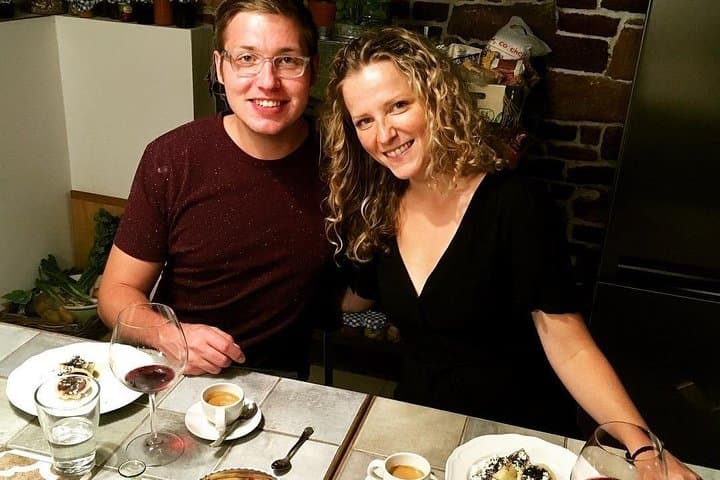
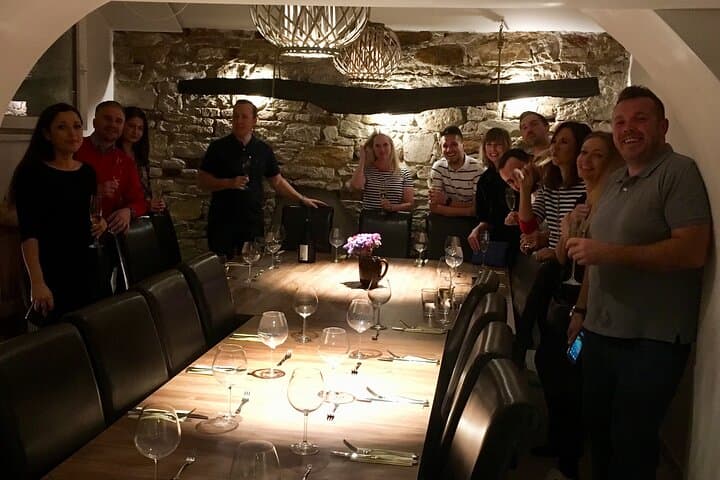
This is part demonstration, part hands‑on workshop and part communal dinner: you cook, then sit and taste with new company. Practical notes—confirm dietary needs ahead of time, bring a small appetite, and plan for roughly 3.5 hours in the evening. Public transport and short walks get you to the historic center; wear comfortable shoes for cobbled streets. For home cooks, the host emphasizes method over exact measurements so you leave able to approximate these recipes in your own kitchen.
The experience balances warm, practical instruction with the cultural context of Prague’s food—useful, flavorful, and rooted in place.