THE ADVENTURE COLLECTIVE® · Independent discovery and booking for outdoor travel

Take tram 22 to the top of Prague’s Castle District for views, medieval courtyards and Strahov Monastery’s famed library. This 2½‑hour walking tour threads the castle’s thousand‑year history with practical tips for first‑time visitors.
Take tram 22 to the top of Prague’s Castle District for views, medieval courtyards and Strahov Monastery’s famed library. This 2½‑hour walking tour threads the castle’s thousand‑year history with practical tips for first‑time visitors.
Board tram 22 and the city opens like a map beneath you—red clay roofs, church spires, and the Vltava river slicing light across stone. The tram climbs to Hradčany and deposits you at the top of the Castle District; the Strahov Monastery sits like an observatory, its terrace framing wide city views while the monastery brewery and library keep quieter stories inside.
Verified experiences and guided adventures in the surrounding area.
Operated by Prague Pulse Tours · Prague, Prague
Board tram 22 and the city opens like a map beneath you—red clay roofs, church spires, and the Vltava river slicing light across stone. The tram climbs to Hradčany and deposits you at the top of the Castle District; the Strahov Monastery sits like an observatory, its terrace framing wide city views while the monastery brewery and library keep quieter stories inside.
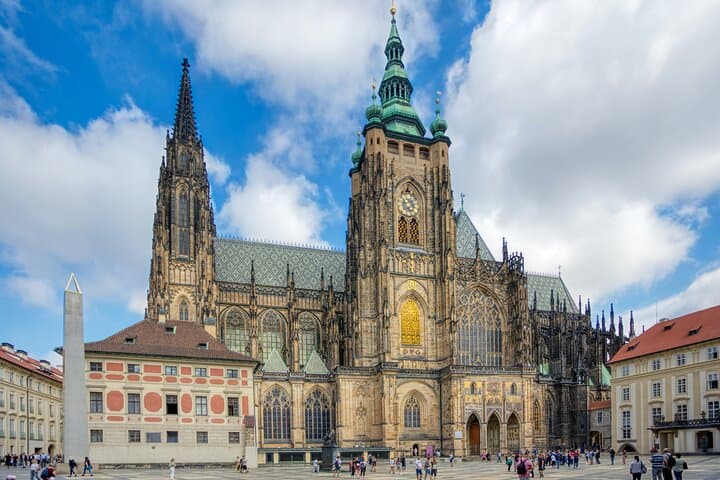
Prague Castle’s compound grew over a millennium, an ever-changing suite of courtyards, palaces and fortifications that recorded Romanesque foundations, Gothic ambition and Baroque reinvention. St. Vitus Cathedral, shaped under Charles IV, anchors the site with flying buttresses and stained glass; the castle hill itself is a rocky promontory above the Vltava, where human hands have reshaped and restored façades through centuries of kings, emperors and modern presidents.
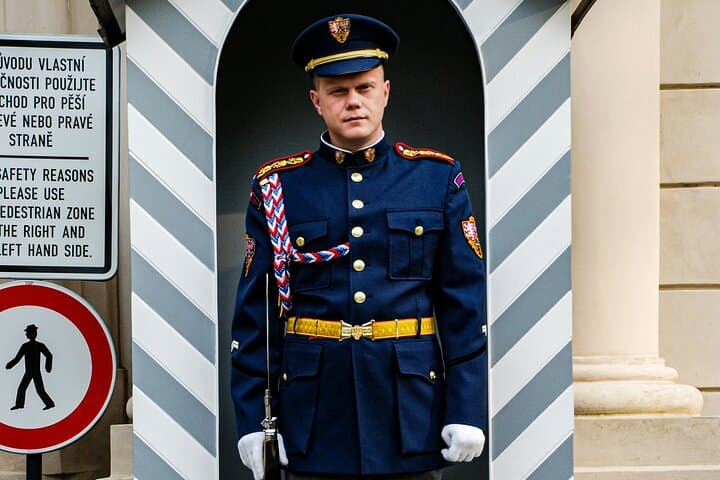
The walking tour threads these layers together—Strahov’s library, the monastery brewery, sgraffito façades and the presidential offices—each stop offering a new angle on Prague’s civic life. Fewer visitors explore narrow lanes like Nový Svět or the palace garden terraces that reveal quieter views and, in summer, shaded benches.
Practicalities matter: the tour runs about 2½ hours, so plan comfortable footwear and a validated tram ticket (single rides or 24/72‑hour passes accepted). Mornings bring clearer air and softer light for photos; afternoons often mean larger crowds. The route is firm-paved but includes steps; the operator notes wheelchair access and a small-group dynamic. Bring water, a lightweight rain layer in shoulder seasons, and leave bulky backpacks at your hotel to move easily through courtyards and narrow streets.
easy.
2–3 hours.
Suitable for most fitness levels; involves walking on paved/cobblestone surfaces and some stairs.
This tour covers the exteriors and courtyards; entrance to paid exhibitions or the cathedral interior may require separate tickets depending on the route and season.
Meeting is near Staroměstská metro/tram stops—take tram 22 to the top of Hradčany or use the metro interchange and walk to the meeting point.
The operator lists wheelchair accessibility for most transport and portions of the route, but some historic areas include steps—check with the guide in advance for route adjustments.
Tours are tip‑based; tipping a guide for good local insight is customary and appreciated, typically 5–10% or more depending on service.
Prague Castle began as a fortified settlement in the 9th century and evolved into the symbolic seat of Bohemian rulers, later housing the Czech head of state.
High visitor numbers strain historic fabric; staying on marked paths, avoiding touching frescoes and following guide instructions helps preserve fragile interiors and gardens.
Prague Pulse Tours operates guided outdoor trips and adventures with an emphasis on safety, stewardship, and memorable experiences.
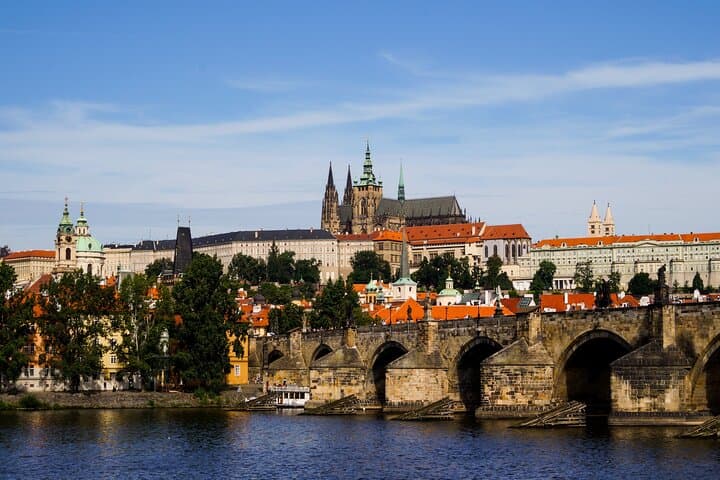
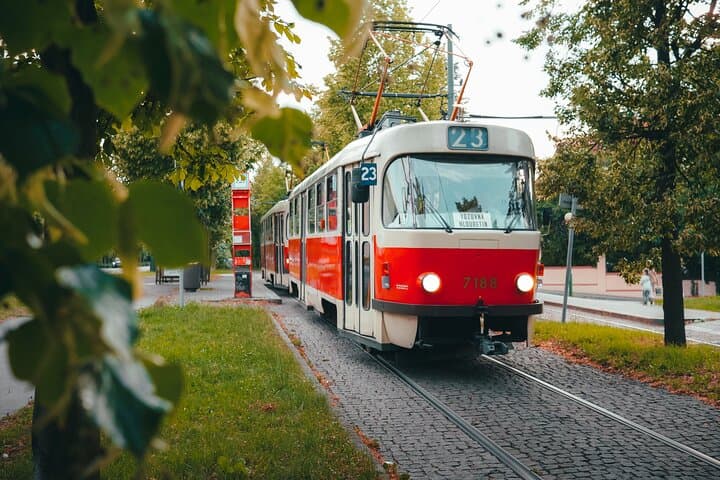
Board tram 22 and the city opens like a map beneath you—red clay roofs, church spires, and the Vltava river slicing light across stone. The tram climbs to Hradčany and deposits you at the top of the Castle District; the Strahov Monastery sits like an observatory, its terrace framing wide city views while the monastery brewery and library keep quieter stories inside.
Board tram 22 and the city opens like a map beneath you—red clay roofs, church spires, and the Vltava river slicing light across stone. The tram climbs to Hradčany and deposits you at the top of the Castle District; the Strahov Monastery sits like an observatory, its terrace framing wide city views while the monastery brewery and library keep quieter stories inside.
Prague Castle’s compound grew over a millennium, an ever-changing suite of courtyards, palaces and fortifications that recorded Romanesque foundations, Gothic ambition and Baroque reinvention. St. Vitus Cathedral, shaped under Charles IV, anchors the site with flying buttresses and stained glass; the castle hill itself is a rocky promontory above the Vltava, where human hands have reshaped and restored façades through centuries of kings, emperors and modern presidents.
The walking tour threads these layers together—Strahov’s library, the monastery brewery, sgraffito façades and the presidential offices—each stop offering a new angle on Prague’s civic life. Fewer visitors explore narrow lanes like Nový Svět or the palace garden terraces that reveal quieter views and, in summer, shaded benches.
Practicalities matter: the tour runs about 2½ hours, so plan comfortable footwear and a validated tram ticket (single rides or 24/72‑hour passes accepted). Mornings bring clearer air and softer light for photos; afternoons often mean larger crowds. The route is firm-paved but includes steps; the operator notes wheelchair access and a small-group dynamic. Bring water, a lightweight rain layer in shoulder seasons, and leave bulky backpacks at your hotel to move easily through courtyards and narrow streets.